
Treasury’s Bessent Sees Crypto as America’s Next Tool for Keeping the U.S. Dollar on Top
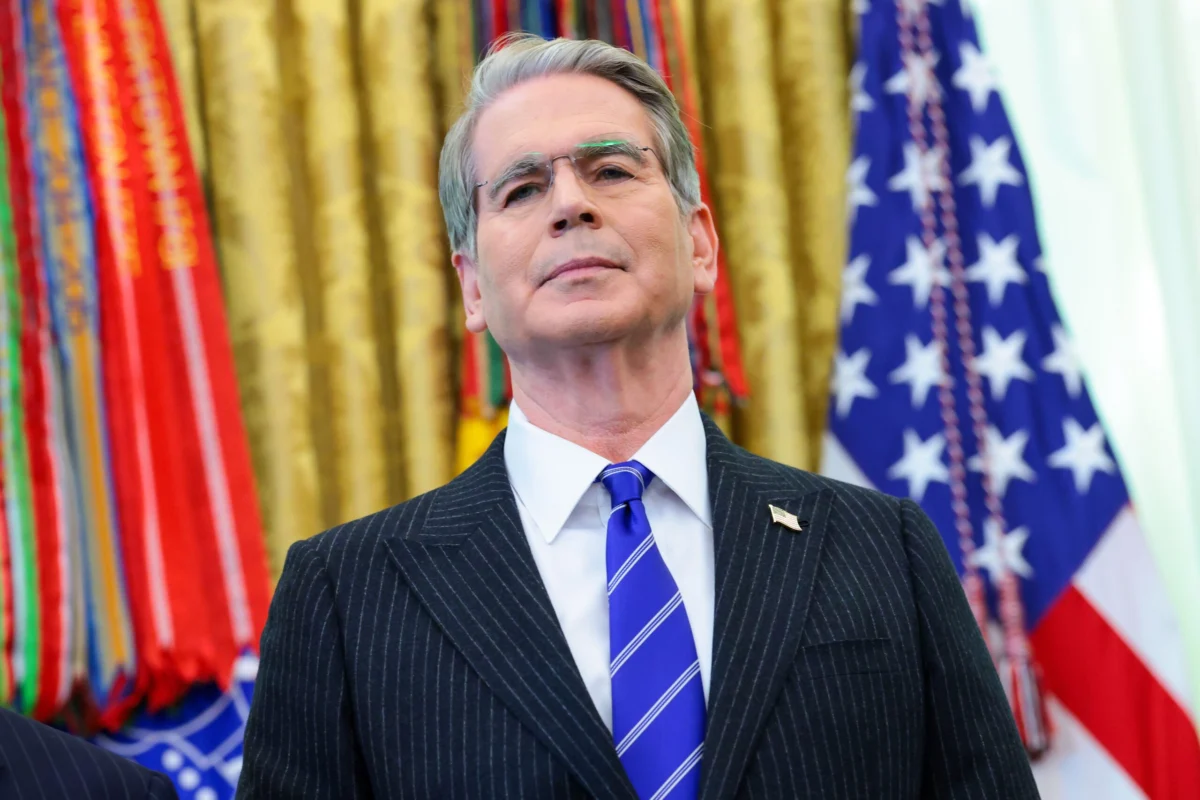
U.S. Treasury Secretary Scott Bessent has signaled a significant evolution in how Washington views digital assets, arguing that cryptocurrency and blockchain technology can serve as America’s premier tools for maintaining the global dominance of the U.S. dollar. Speaking on Tuesday at Ripple’s Swell conference alongside CEO Brad Garlinghouse, Bessent outlined a forward-looking economic strategy that frames technological leadership as the foundation of modern superpower influence.
As global financial systems rapidly digitize, the Treasury Secretary’s remarks offer a comprehensive glimpse into the Trump administration’s broader rationale for bringing the cryptocurrency industry onshore. Rather than treating digital assets merely as an alternative asset class or speculative market, the administration is increasingly positioning crypto infrastructure as a vital pillar supporting sustained U.S. economic and geopolitical clout in the twenty-first century.
A Paradigm Shift in Global Power and Reserve Currency Dominance
During his wide-ranging discussion at the conference, Bessent reflected on the historical underpinnings of the world’s reserve currencies. He noted that while historical dominance was traditionally forged through military might, the sources of global power are undergoing a profound structural shift toward technological innovation and digital integration.
"We will keep our military umbrella, but I think more and more it’s becoming a technology umbrella," Bessent told attendees, emphasizing that future geopolitical influence will hinge on technological superiority.
To illustrate this point, Bessent drew a parallel to the escalating technological competition between the United States and China. As nations and multinational corporations worldwide face critical choices over which artificial intelligence platforms and semiconductor supply chains to adopt, digital assets are rapidly becoming the next major competitive frontier. According to the Treasury Secretary, the financial infrastructure and software stacks that countries choose to integrate will ultimately dictate the reach and resilience of the U.S. dollar abroad.
"I think that digital assets are going to be no different, and we are going to win in the digital asset stack, and that’s gonna continue to fortify the U.S. dollar," Bessent asserted.
This perspective underpins the administration’s aggressive push to cultivate a thriving domestic crypto sector, ensuring that the foundational architecture of the next financial era is built within the United States and aligned with American economic interests.
The Role of Stablecoins and Federal Financing
A cornerstone of this strategy involves the rapid maturation and integration of stablecoins—cryptocurrencies specifically engineered to maintain a stable value pegged to fiat currencies, overwhelmingly the U.S. dollar. The Trump administration has already achieved a major legislative milestone in this regard with the successful passage of the GENIUS Act, which established a comprehensive federal regulatory framework for stablecoin issuers.
Bessent argued that stablecoins act as powerful force multipliers for the greenback, particularly by expanding access to secure U.S. currency in developing nations and emerging economies where local fiat currencies frequently suffer from high inflation, currency controls, or sharp macroeconomic volatility. By providing a reliable digital medium of exchange tied to the dollar, these instruments extend the reach of American monetary hegemony directly into households and businesses worldwide.
The structural mechanics of stablecoins also offer direct benefits to the federal government’s balance sheet. Industry data indicates that over 90% of all stablecoins in circulation are fully backed by U.S. dollars and cash equivalents. Crucially, the private-sector issuers of these digital tokens typically hold massive reserves of short-term U.S. government securities, such as Treasury bills, to guarantee their peg.
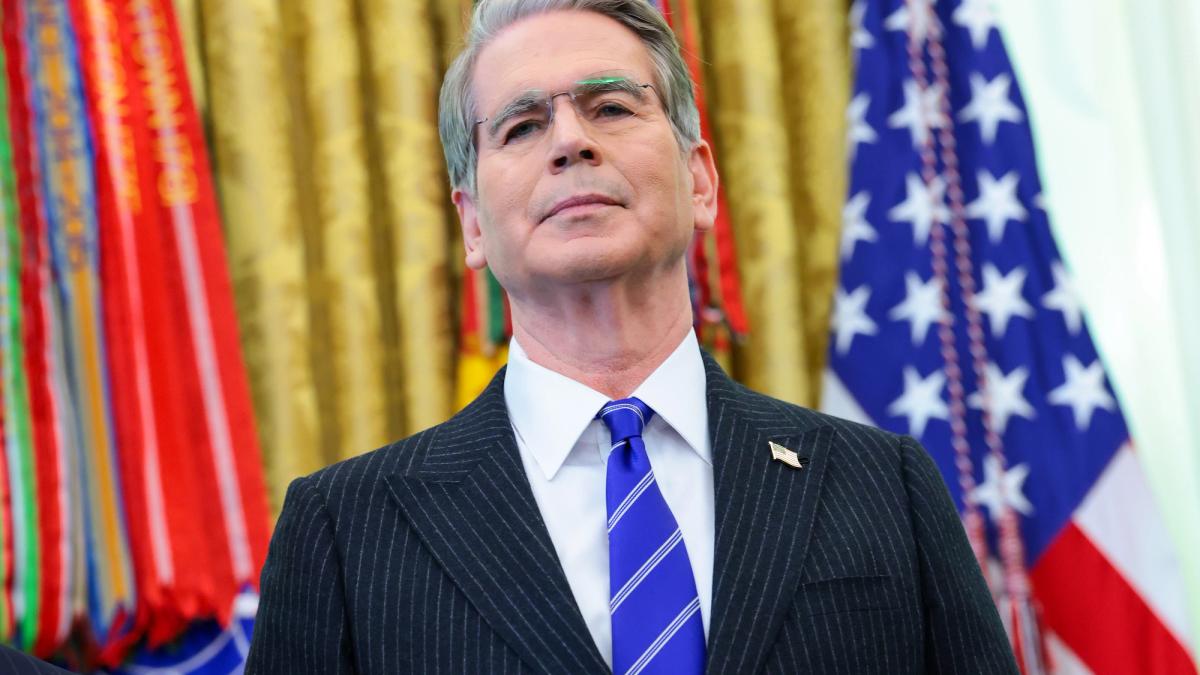
As global adoption of stablecoin technology accelerates, the resulting surge in demand for these underlying reserve assets creates a powerful, organic source of sustained financing for the federal government. Bessent acknowledged this dynamic directly, noting that the expansion of the stablecoin market will serve as an increasingly critical source of institutional funding for the U.S. Treasury.
Opening New Markets Across the Globe
Addressing potential criticisms that stablecoins might simply cannibalize existing demand for traditional physical and digital dollars, Bessent pushed back firmly against the notion that the technology represents a zero-sum game for the U.S. financial system. Instead, he maintained that digital assets are unlocking entirely untapped economic ecosystems by catering to populations previously underserved by legacy banking infrastructure.
"I think we are opening up new markets all around the world," Bessent said, emphasizing the capacity of borderless digital finance to bring unbanked and underbanked individuals into a dollar-denominated financial orbit. For millions of people living in inflationary environments, stablecoins provide an accessible digital savings vehicle that shields their hard-earned capital from local currency devaluation, all while naturally reinforcing the global utility and dominance of the U.S. dollar.
Navigating Legislative Setbacks and Regulatory Partnerships
Despite the administration’s ambitious vision for the digital asset ecosystem, its comprehensive legislative agenda suffered a notable setback when Congress failed to pass the much-anticipated Clarity Act. The proposed legislation would have established a comprehensive federal statutory framework to govern digital assets, clearly delineating regulatory authority and providing long-term certainty for industry participants.
Bessent addressed the failure of the bill candidly, describing it as a distinct disappointment for the financial sector. However, he emphasized that the lack of congressional legislation does not mean regulatory progress must grind to a halt. Instead, the Treasury Department is actively prepared to leverage its convening power and collaborate closely with key financial regulatory agencies, specifically the Securities and Exchange Commission (SEC) and the Commodity Futures Trading Commission (CFTC), to advance clear oversight through administrative and regulatory action.
Describing the SEC and CFTC as "great partners" in this ongoing endeavor, Bessent suggested that coordinated agency actions can effectively fill the regulatory vacuum left by the stalled legislation. While rules and guidelines adopted directly by regulatory agencies lack the permanent statutory foundation of an act of Congress, they can nonetheless provide crucial interim clarity for crypto enterprises operating within the United States and serve as a constructive model for international regulatory standards.
Addressing Industry Concerns Over Debanking
Beyond market structure and regulatory clarity, Bessent also tackled one of the most persistent and damaging pain points for the domestic crypto industry: the phenomenon of debanking. For years, cryptocurrency companies, exchanges, and blockchain startups have reported facing severe operational hurdles as traditional financial institutions abruptly terminated their banking services, often under indirect regulatory pressure or perceived compliance risks.
While Bessent noted that the passage of the Clarity Act would have offered a more definitive legislative remedy to curb arbitrary debanking practices, he insisted that the executive branch and federal regulators still possess the tools necessary to establish robust safeguards. By setting clear regulatory best practices and operational guardrails, financial authorities can reassure traditional banking institutions that servicing compliant crypto businesses is legally sound and secure, thereby preventing a return to the heavy-handed financial exclusion that has plagued the sector in the past.
Through a combination of strategic regulatory alignment, the global expansion of dollar-backed stablecoins, and a commitment to keeping technological innovation onshore, the Treasury Department is signaling that digital assets will remain central to American financial diplomacy and economic dominance for years to come.
| Source | : | Finance Poetry |
| Author | : | rifanmuazin |
| Editor | : | Finance Poetry Editorial Team |