
CDC Report Warns Drug-Resistant Superbugs Cause Over 50,000 U.S. Deaths Annually
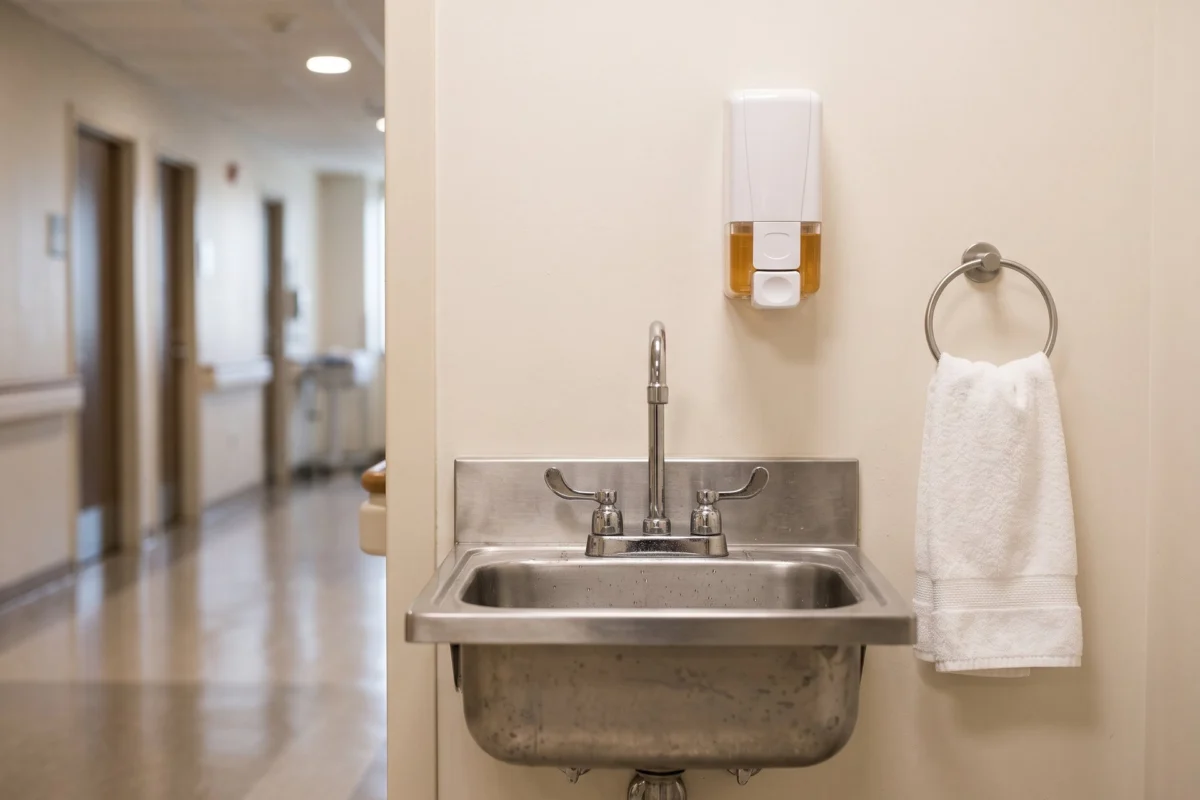
Germs that cannot be treated with even the strongest available antibiotics are causing more than 50,000 deaths across the United States each year, according to a sobering new report released by the Centers for Disease Control and Prevention. The findings paint a grim picture of an escalating public health crisis that threatens the foundation of modern medicine, putting millions of lives at risk and driving up billions of dollars in healthcare expenditures.
What the CDC Found
The comprehensive evaluation, titled the Antimicrobial Resistance Threats Report, tracks pathogens that are becoming an increasingly dangerous threat to the American public. Released on October 27, it marks the first time the agency has updated and published the extensive report in seven years. The document provides a detailed catalog of drug-resistant bacteria and medication-resistant fungi currently circulating within communities and healthcare facilities.
Within the exhaustive compilation, federal health officials categorized four pathogens as "urgent" threats, 13 as "serious threats," and two as "concerning threats." Combined, the 19 specific bacterial and fungal threats included in the report are estimated to cause approximately 9.7 million infections and 50,800 deaths annually throughout the United States.
The financial and human toll within institutional settings is particularly stark. According to the data, drug-resistant infections contracted within healthcare environments account for more than 42,000 of those deaths and create a staggering economic burden, generating more than $12 billion in additional healthcare costs each year.
These figures represent a significant numerical uptick from the previous report published in 2019, which confirmed 2.8 million infections. However, public health officials have urged caution when comparing the datasets directly. The CDC noted that its underlying methodologies, surveillance capabilities, and data sources have evolved significantly over the seven-year gap, meaning the two reports may not represent a direct one-to-one comparison.
Despite methodological shifts, the real-world implications of the data have drawn profound concern from medical professionals on the front lines. Wendy S. Armstrong, president of the Infectious Diseases Society of America, emphasized the gravity of the findings in a public statement following the report’s release.
"These numbers are alarming by any measure but are particularly sobering when infectious diseases physicians connect real patients with these statistics in their everyday experience," Armstrong said. She added that drug-resistant infections systematically prolong hospital stays, drive up healthcare costs, and make it increasingly difficult—and sometimes entirely impossible—for doctors to safely provide routine and life-saving medical care. This includes critical interventions such as cancer chemotherapy, organ transplants, hip and knee replacements, and a wide array of other essential surgeries and medical treatments that rely on effective antibiotics to prevent secondary infections.
Public health experts point to the overuse and misuse of antibiotics as a primary driver behind the relentless rise of drug-resistant germs, commonly referred to in the medical community as "superbugs." Over time, medications that physicians rely on to treat routine illnesses can stop working effectively as microorganisms adapt. Microorganisms such as bacteria possess the ability to mutate, allowing them to become less sensitive or even entirely immune to standard pharmaceutical treatments. This evolutionary resistance can occur naturally over time, but it is frequently accelerated and exacerbated by the improper or excessive use of medications in human medicine and agriculture.
Dr. Erica Schwartz, director of the CDC, underscored the broader implications of the findings in her own statement accompanying the report. "Antimicrobial resistance threatens modern medicine and puts millions of Americans at risk every year," Schwartz warned.
The Most Urgent Threats, According to the CDC
At the pinnacle of the agency’s warning system are four distinct pathogens categorized as "urgent" threats by the CDC. These specific germs have been singled out because they represent the most immediate, severe, and widespread dangers to public health in the United States, requiring aggressive monitoring, rapid containment, and intensified research into new therapeutic options. While the original report highlights these critical categories, federal health officials stress that every entry on the list demands heightened vigilance from healthcare providers and the public alike.
Other "Serious Threats"
While the "urgent" category captures the most formidable pathogens, the broader "serious threats" category contains a much larger group of microorganisms with several notable shifts and developments compared to past surveillance reports.
One of the most significant changes involves Clostridioides difficile, commonly known as C. diff, which has historically been one of the most feared and persistent infections encountered in healthcare settings. In the latest report, C. diff was officially downgraded from an "urgent" threat to a "serious threat." Public health officials attribute this positive shift to years of coordinated public health efforts, rigorous hospital hygiene protocols, and targeted stewardship campaigns designed to curb its transmission within institutional environments.
In addition to C. diff, the list of serious concerns includes drug-resistant variants of salmonella, shigella, strep, meningococcus, and tuberculosis. Unlike the majority of the germs featured in the urgent category, several of these pathogens frequently emerge and spread outside the confines of traditional healthcare settings.
Meningococcus, for instance, is typically transmitted from person to person through everyday social interactions, such as kissing, sharing drinking glasses, or prolonged close contact in community environments like schools and dormitories. Similarly, drug-resistant strains of Shigella have drawn recent attention and media coverage due to their sexually transmissible nature and their ability to spread rapidly within specific communities.
Despite the concerning trends outlined in the broader dataset, the report also highlights numerous successful initiatives launched by the CDC and partnering public health agencies to limit and reduce the spread and development of drug-resistant pathogens. Programs modeled after the successful campaign to curb C. diff demonstrate that targeted interventions can yield measurable results.
"This data shows both the progress we’ve made and the significant work that remains," Schwartz said, reflecting on the dual nature of the findings. "High-quality data help drive action and CDC is committed to providing easily accessible information to help protect people from drug-resistant infections."
How to Protect Yourself
As federal agencies and researchers work to develop new treatments and reinforce institutional guidelines, public health authorities emphasize that individual preventive measures remain a vital defense. Practicing consistent, high-standard personal hygiene is widely recognized by medical professionals as the single most effective way for individuals to prevent contracting or spreading many of the infectious pathogens featured on the CDC’s comprehensive list.
According to the CDC, thoroughly washing hands with soap and running water is the surest way to stay safe. Health officials recommend engaging in this hygiene practice at critical junctures throughout the day, specifically after using the bathroom, changing a diaper, or caring for a sick person. Additionally, individuals should wash their hands before and after handling or preparing food, before eating meals, and before and after engaging in sexual activity to minimize the risk of transmission.
| Source | : | Finance Poetry |
| Author | : | rifanmuazin |
| Editor | : | Finance Poetry Editorial Team |