
Barkin sees interest rate hikes ahead, but at a gradual pace
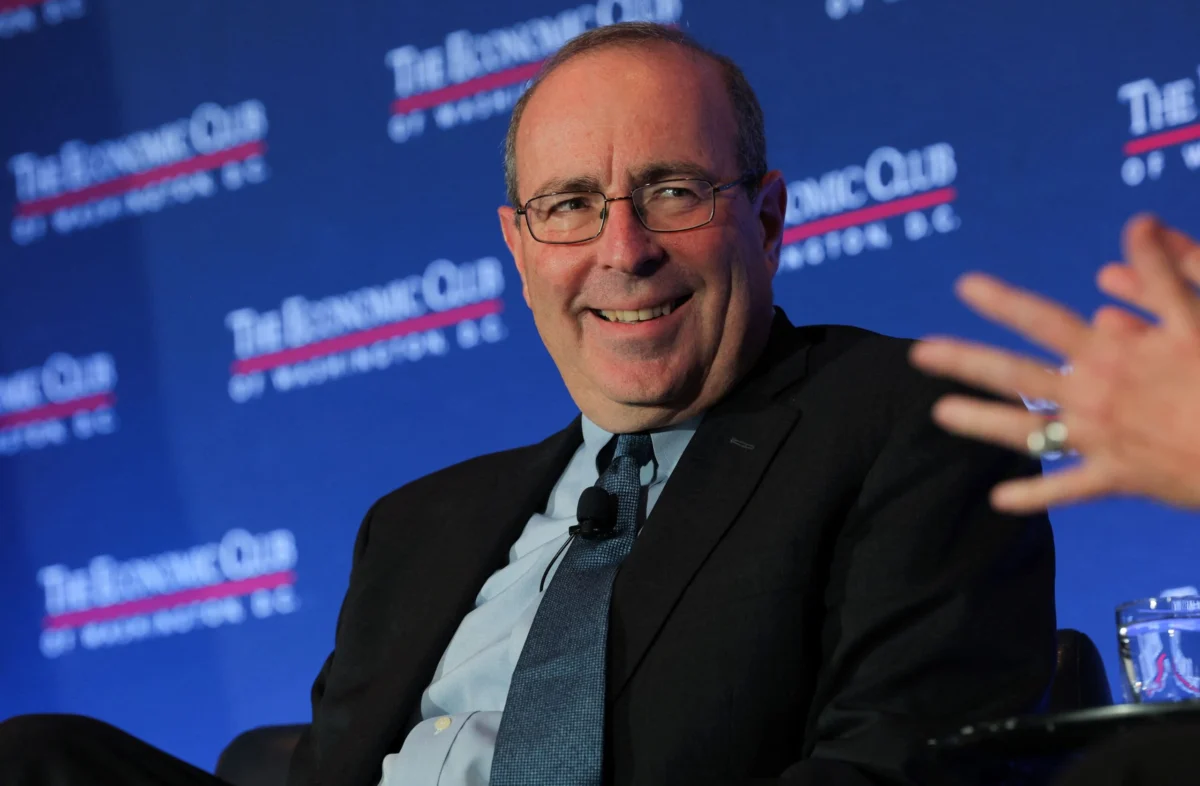
Speaking during an interview with CNBC’s Steve Liesman at the Richmond Fed’s 2026 CFO Summit, the central banker emphasized that persistently high inflation combined with a labor market characterized by near-record-low unemployment leaves the Federal Open Market Committee with a relatively clear overarching direction. However, the precise pace at which borrowing costs must rise continues to be a central topic of deliberation among monetary policymakers.
"Unemployment’s near record lows, and inflation is too high. That means the path is pretty straightforward. The question, of course, is pace," Barkin remarked during the televised discussion.
The policymaker indicated a preference for a measured approach as the central bank navigates ongoing economic uncertainties. Advocating for caution amid a complex global economic landscape, Barkin noted that moving deliberately allows policymakers to digest incoming data points before committing to aggressive policy shifts.
"Gradual makes sense if you think there’s uncertainty in the world, and if you think that there’s information you’re going to get in the period. And I think that’s still a pace that makes sense to me," he added.
Barkin’s remarks arrived a little more than a week after his colleagues on the rate-setting FOMC voted to keep the federal funds rate anchored in a target range between 3.75% and 4%. While Barkin does not currently hold a voting seat on the FOMC’s rotating panel, he is scheduled to rotate into a voting position in 2027.
In the official post-meeting statement released following their previous gathering, FOMC officials emphasized that they are awaiting the "accumulation of more information" as they deliberate on the appropriate next steps for monetary policy. When the central bank last approved a quarter-percentage-point rate hike in September, officials generally concurred that another increase would likely be warranted before the conclusion of 2026. Financial markets have increasingly aligned with this outlook, with the CME Group’s FedWatch tool indicating that traders are currently pricing in a better-than-80% probability of an additional rate hike in December, followed by at least one more move in 2027.
Assessing the current stance of monetary policy, Barkin stated that he views the existing federal funds rate as hovering close to a neutral level—a theoretical tipping point where borrowing costs neither actively restrict nor promote economic expansion. Yet, he pointed to underlying economic resilience as a sign that policy may still be exerting a mild stimulus rather than a cooling effect.
"If you’re restricting the economy, presumably you’re restricting consumption, which is you know roughly two-thirds of the economy, and that’s relatively elevated," Barkin said. "So that would make the case that we’re a little bit accommodative."
Consumption patterns have remained robust despite previous monetary tightening cycles, prompting ongoing debate among economists and central bank officials regarding how restrictive policy truly is at present. For Barkin, curbing inflation remains the paramount challenge facing the U.S. economy, outweighing other short-term macroeconomic concerns.
"Inflation is the most important risk right now … and I hope that our move in September and whatever else we might choose to do in the future will have some impact on inflation," he noted.
Addressing the structural drivers of contemporary price pressures, Barkin touched upon the role of technological innovation, identifying artificial intelligence as a temporary source of cost increases and capital demand. However, he expressed optimism that AI adoption will ultimately enhance productivity, streamline production processes, and help alleviate inflationary pressures further down the road.
In a related financial matter, Barkin also drew attention to the massive wave of debt issuance directed toward artificial intelligence hyperscalers, noting that corporate borrowing in this sector—estimated this year to surpass $500 billion—is a development well "worth watching" for potential systemic credit risks. As technology giants invest heavily in massive data centers and advanced computing infrastructure, the sheer scale of financing has drawn scrutiny from financial regulators and central bankers alike.
Despite the monumental size of these capital expenditures, Barkin expressed confidence in the underlying financial health of the primary technology firms driving the boom, pointing out their substantial cash generation capabilities.
"It’s pretty hard to convince yourself that some of these big hyperscalers who are generating so much cash from their core businesses aren’t good credits," he said.
At the same time, Barkin cautioned that the primary area of vulnerability may lie not with the tech titans themselves, but rather within the broader financial plumbing that facilitates these transactions. He noted that policymakers must remain vigilant about potential hidden vulnerabilities in the financial system.
"So it’s more who are the intermediaries in this world who are taking on risks that you don’t know about," Barkin said. "You do wonder where in the intermediary sector is the biggest risk."
| Source | : | Finance Poetry |
| Author | : | rifanmuazin |
| Editor | : | Finance Poetry Editorial Team |