
Chicago Fed’s Goolsbee says central bank ‘has definitely got work to do’ on inflation
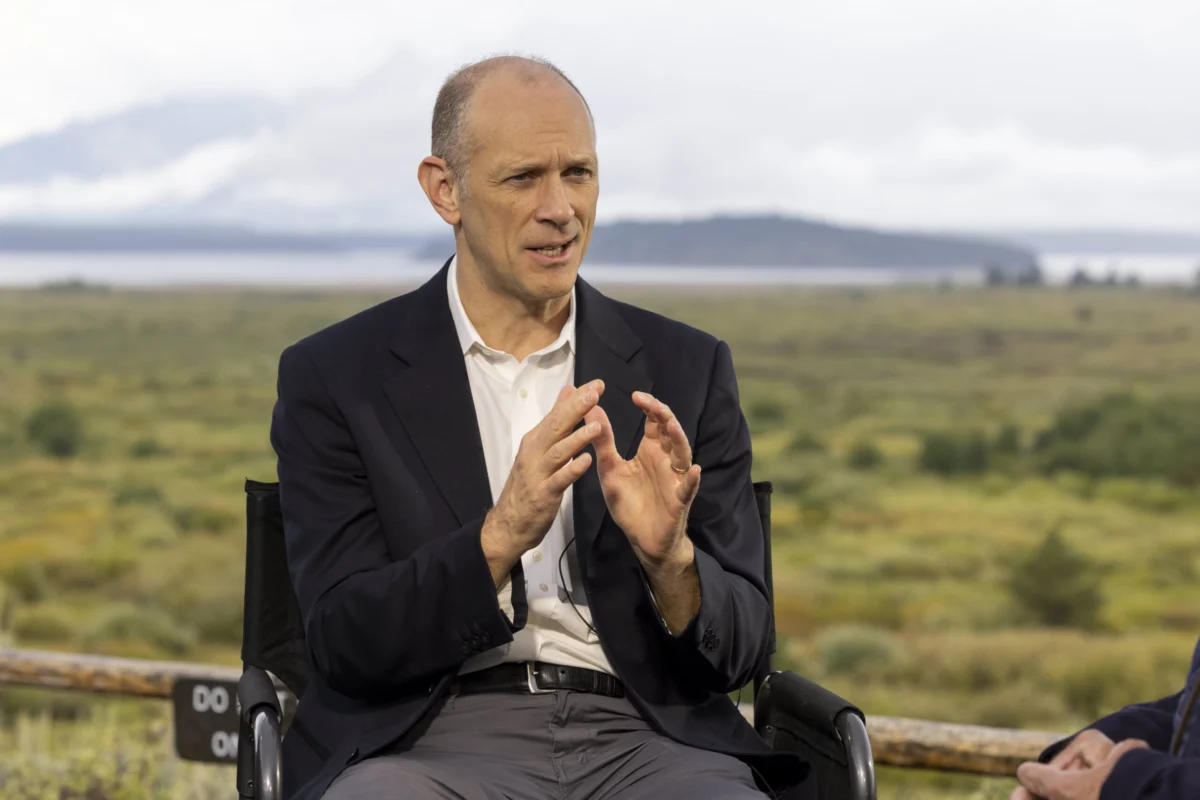
"I believe that the central bank has definitely got work to do to continue to reestablish its credibility," Goolsbee stated during the broadcast, highlighting the growing unease among monetary policymakers as recent economic indicators continue to defy expectations and linger stubbornly above desired thresholds.
His remarks followed closely on the heels of a fresh batch of economic data released by the Bureau of Labor Statistics. According to the report, the producer price index (PPI), which serves as a vital economic proxy for wholesale prices paid by businesses, posted a 0.3% increase in October. While that monthly uptick was slightly lower than what many Wall Street analysts had anticipated, the broader annualized figure painted a much more alarming picture. The report indicated a substantial 6.5% annual gain in wholesale prices, marking the highest such rate of increase since November 2022 and signaling that upstream inflationary pressures remain deeply embedded within the supply chain.
This wholesale price data arrived on the back of separate figures released earlier in the same week, which revealed that the consumer price index (CPI)—tracking the costs of everyday goods and services for American households—had risen somewhat more than consensus expectations during the month. Taken together, these consecutive reports have convinced Goolsbee and other regional Fed officials that the central bank is steadily slipping further away from its steadfast, long-term inflation target of 2%.

"We’ve been above 2% for almost six years, and while it sometimes we were making progress, lately we’re not making any progress, and if anything, it’s going the wrong way," Goolsbee remarked, addressing the prolonged departure from the Federal Reserve’s statutory price stability mandate.
The Chicago Fed president elaborated on the changing dynamics driving these persistent price increases, noting that the nature of inflation has evolved significantly since the acute disruptions of the post-pandemic era. While initial inflationary spikes were largely attributed to global supply chain shocks and pandemic-related economic disruptions, Goolsbee warned that the economy is now confronting a different kind of pressure.
"Inflation is rising. It’s proved far more persistent than we predicted at the beginning from the supply shocks, and now we’re adding this old-fashioned demand overheating coming from the AI data center buildout, that looks like it’s starting to spread out of its lane," Goolsbee explained, pointing to the massive capital expenditures and energy demands associated with artificial intelligence infrastructure as an unexpected catalyst for broader economic demand.
The shifting inflation narrative has already sent ripples through financial markets, profoundly altering expectations for monetary policy and the trajectory of short-term interest rates. Wall Street traders and institutional investors are now fully pricing in a quarter-percentage-point interest rate increase when the rate-setting Federal Open Market Committee (FOMC) convenes for its next scheduled meeting on December 8-9. Furthermore, sentiment captured by the CME Group’s FedWatch tool indicates that there is now a better than 10% probability of an even more aggressive half-point rate hike, reflecting heightened anxiety among investors regarding the central bank’s next moves.

While Goolsbee is not currently a voting member of the FOMC, his perspective carries significant weight within the broader Federal Reserve system, and he is slated to rotate into an active voting position in 2027. His commentary aligns with growing hawkish sentiments among other prominent Fed officials who are similarly reevaluating the stance of monetary policy in light of the stubborn economic indicators.
Earlier in the week, Federal Reserve Governor Christopher Waller added to the growing speculation surrounding the upcoming December meeting by indicating that he would actively entertain a larger 50-basis-point move, contingent upon how the week’s comprehensive inflation data materialized. Waller’s comments, combined with Goolsbee’s recent assessments, underscore an emerging consensus among several key central bank officials that minor adjustments may no longer suffice if price growth fails to moderate.
When pressed during the interview on whether the Federal Reserve might ultimately need to adopt a significantly more aggressive posture to combat these pressures, Goolsbee refrained from making definitive predictions about the exact scale of future interventions. Instead, he emphasized that the committee’s decisions will remain strictly data-dependent, anchored fundamentally by the evolving empirical reality of price movements across the broader economy.
"It’s all going to be about this fundamental question: What is happening to inflation, and are we on the path back to 2%?" Goolsbee said. "My feeling is, right now we’re not."
| Source | : | Finance Poetry |
| Author | : | rifanmuazin |
| Editor | : | Finance Poetry Editorial Team |