
San Francisco Fed President Mary Daly Expects Further Interest Rate Hikes Amid Strong Jobs Report
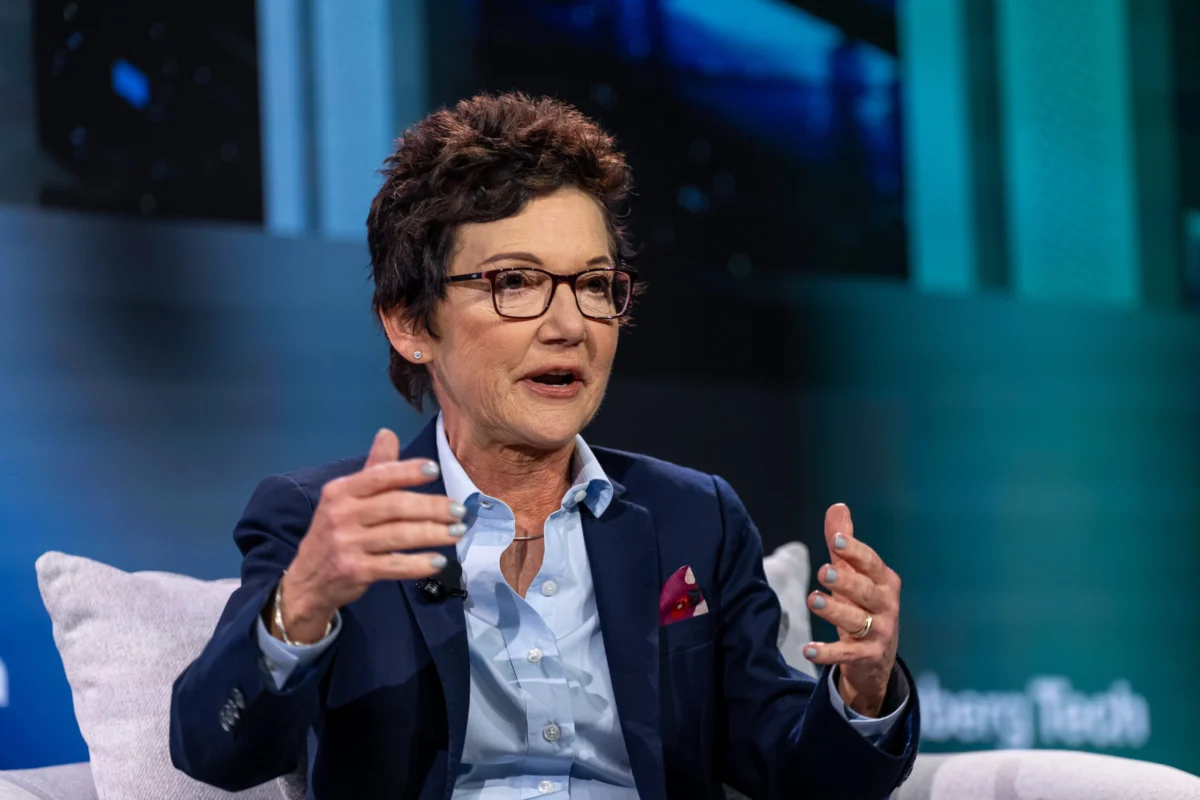
San Francisco Federal Reserve President Mary Daly said Friday that she expects the central bank will need to raise interest rates further to combat persistent inflation, though she joined her fellow policymakers in emphasizing that the exact pace and timing of future monetary tightening remain uncertain.
Speaking during a live interview with CNBC’s Steve Liesman, Daly outlined her perspective on the current economic landscape following a blockbuster employment report that surprised financial markets. While acknowledging the strength of the broader labor market, she underscored that underlying inflationary pressures continue to weigh heavily on American households.
"My expectation is we’re going to have to tighten policy further. Exactly when and how much is still to be decided because we just have to take all the variables that are coming in," Daly told CNBC. "More is likely to be needed, and certainly … I’m prepared to do that if that’s what the economy calls for."
Daly’s remarks coincided with the release of data from the Bureau of Labor Statistics, which reported that the U.S. economy added 165,000 jobs in October. At the same time, the national unemployment rate—widely regarded by Federal Reserve officials as one of the most critical barometers of labor market health—edged lower to 4.1%.

The October employment figures proved to be substantially stronger than what Wall Street analysts had anticipated. Job creation came in at nearly triple the consensus estimate compiled by Dow Jones, defying expectations of a more pronounced cooling in hiring activity as the central bank maintains restrictive monetary policies.
Characterizing the report as "good news for American workers," Daly nonetheless pointed out the ongoing financial strains that inflation exerts on everyday household finances. According to the labor report, average hourly earnings rose by 3.1% on an annual basis in October. However, this wage growth has struggled to keep pace with the broader cost of living, as the September consumer price index inflation rate stood at 3.7%.
This dynamic, Daly explained, places consumers in a challenging position where job security remains high, but real purchasing power continues to erode over time.
"They see that they can get jobs, they continue to spend. They’re not out of the game, but they are on a treadmill of high inflation," she said. "This has been high for too long, almost six years, and we’re really starting to feel the burden of that spread everywhere."
While many economists closely monitor economic growth indicators for signs of a potential recession, Daly noted that her primary concern is not general economic growth, but rather the stubborn persistence of inflation across the broader economy.

"The job market remains stable and solid, but not booming, and you see real wages falling because those wages are not really keeping up with inflation," Daly said. "I think that’s the crux of this. Good news on the jobs front, not so clear that Americans are going to gain ground in the labor market."
The Federal Open Market Committee (FOMC), the central bank’s rate-setting body, voted in September to increase its benchmark overnight borrowing rate by a quarter of a percentage point, bringing the target range to between 3.75% and 4%. That move marked a continuation of the Fed’s aggressive cycle of monetary tightening aimed at cooling demand and bringing inflation back down to its target rate.
However, during its subsequent meeting, the committee opted to hold interest rates steady rather than immediately following up with another hike. Policymakers explained at the time that they preferred to wait for the accumulation of more economic information before determining their next step in managing monetary policy.
Daly, who is set to hold a voting seat on the rate-setting committee next year, expressed strong support for a gradual approach moving forward, aligning with comments from other regional Fed leaders. Richmond Fed President Thomas Barkin also indicated earlier in the week that he anticipates further interest rate hikes ahead, though the specific timeline remains open-ended.
" campanha was really supportive and completely thought that that was the right move to move in September," Daly said, reflecting on the committee’s previous decisions. "I also think that it was good to be on hold at the last meeting because the world is filled with uncertainty."
| Source | : | Finance Poetry |
| Author | : | rifanmuazin |
| Editor | : | Finance Poetry Editorial Team |