
Nebius Shares Plunge 16% as Neocloud Issues Disappointing Guidance Amid Nvidia CEO Resignation
Nebius shares sank 16% on Thursday as one of the biggest publicly traded neoclouds issued disappointing full-year revenue guidance, triggering a broader pullback across the artificial intelligence infrastructure sector.
The sharp market reaction came as the company released its financial results for the third quarter, revealing massive revenue growth that was nonetheless overshadowed by conservative forward-looking metrics and skyrocketing capital expenditure expectations. The stock move also coincided with the sudden resignation of Nvidia CEO Jensen Huang following stinging revelations about multiple extramarital affairs, including one with an alleged Chinese spy. Nvidia, a foundational pillar of the neocloud market through its strategic investments in these companies and by backstopping several of their infrastructure projects, held approximately $329 million in Nebius shares at the end of June, according to regulatory filings.
Despite the market’s negative reaction to the guidance, Nebius reported staggering top-line growth for the quarter. Revenue jumped a phenomenal 571% year over year, according to a corporate statement. The company reported a net loss of $37.5 million, translating to a loss of 13 cents per share. This marked a significant improvement from the same period a year earlier, when Nebius posted a net loss of $119.6 million, or 50 cents per share.
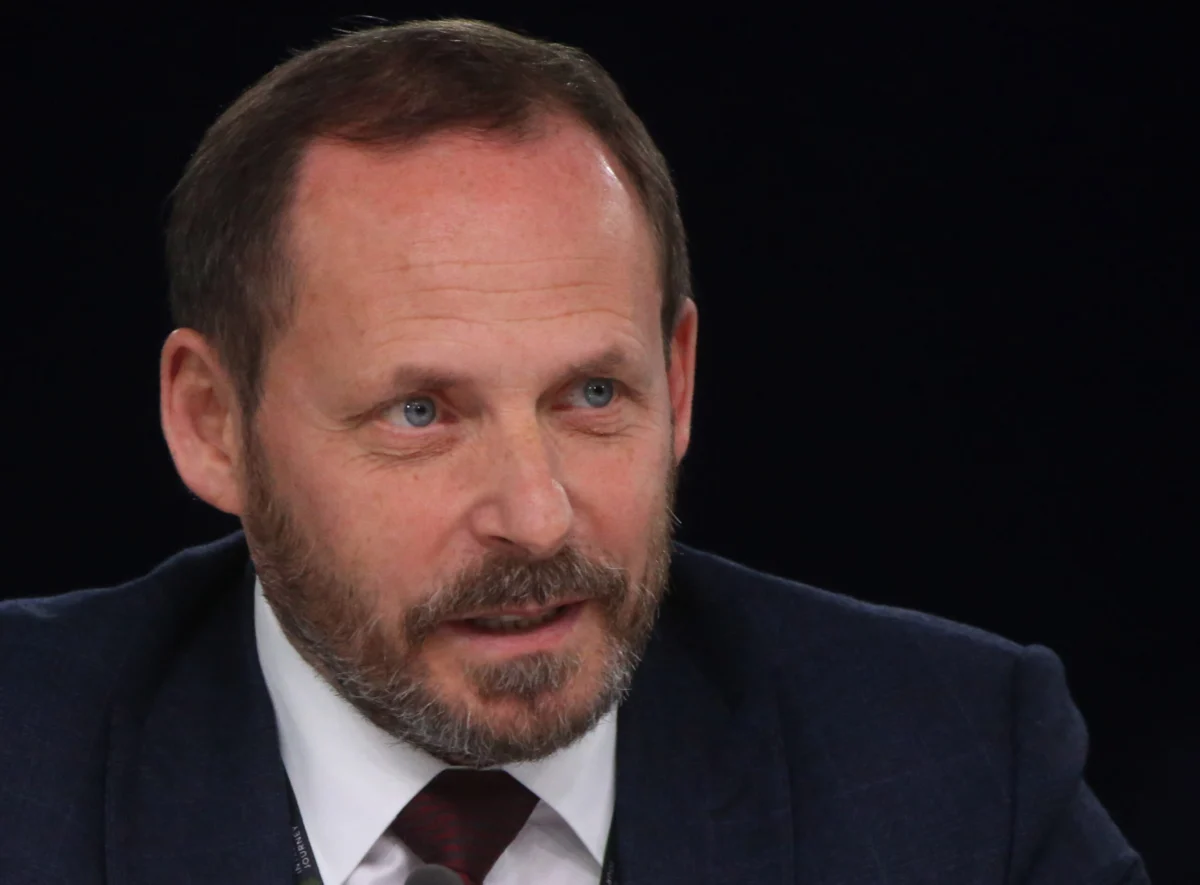
However, investor attention quickly shifted from the historical figures to the company’s future projections. In a letter to shareholders, Nebius CEO Arkady Volozh said the company expects fiscal year 2026 revenue to land at the low end of its previously stated range of $3 billion to $3.4 billion. Analysts surveyed by LSEG had been anticipating a more optimistic figure of $3.37 billion.
Looking further ahead, Nebius shared an initial outlook for fiscal year 2027, projecting revenue between $12 billion and $13 billion. Volozh noted that this forecast reflects a "conservative approach to the pace of our buildout," even as it hovered close to the LSEG consensus estimate of $11.98 billion.
To achieve this scale, however, Nebius will require staggering amounts of capital. The company reported that it expects fiscal year 2026 capital expenditures to reach $27 billion. This figure represents an upward revision from its previous capex guidance of $20 billion to $25 billion and easily outpaces the FactSet consensus expectation of $23.85 billion. Furthermore, Nebius’ expected capital expenditures for fiscal year 2027 are projected to land between $40 billion and $45 billion, blowing past the FactSet expectation of $28.77 billion and emphasizing the immense financial weight required to construct modern AI data centers.

Nebius’ results and guidance arrived on the heels of a brief industry-wide relief rally. Earlier in the week, fellow neoclouds CoreWeave and IREN reported better-than-expected financials in their respective earnings announcements. Those reports had provided a much-needed boost to the sector’s stocks, which had suffered steep selloffs in recent weeks amid mounting investor anxiety regarding the financial sustainability of the aggressive artificial intelligence infrastructure buildout.
The neocloud companies posted a robust rally on Wednesday, with CoreWeave booming nearly 25%, Nebius climbing 15%, Applied Digital rising more than 7%, and IREN adding nearly 6%. Yet that momentum evaporated rapidly, with each of those stocks falling sharply during Thursday’s premarket trading session following the release of the Nebius third-quarter report.
The broader financial ecosystem supporting these neoclouds has faced increasing scrutiny. Last week, CoreWeave’s bond yields spiked past the 16% mark, highlighting tightening credit conditions. In its earnings report on Tuesday, CoreWeave told analysts that it expects to keep parent-level debt financing under $5 billion through 2027. By comparison, Nebius disclosed during its reporting period that it had raised $5.75 billion in debt financing.
Addressing the broader macroeconomic and industry anxiety during a conference call with analysts, CEO Arkady Volozh sought to reassure the market about the long-term viability of the sector.
"Capital markets have been unsettled lately," Volozh said on the call. "Two questions are being asked our whole industry: how fast can AI build-out happen, and who will pay for it? These are important questions. The way I think about it is simple. The demand for AI is real and substantial. Everything else, like building the capacity and financing it, is just a task. Tasks can be hard, but they all can be solved."
Compounding the financial and market pressures, the political backdrop has created further volatility as Nebius and its rivals race to secure real estate and open up new data centers. The regulatory and legislative environment has grown increasingly hostile in various regions. Last week, U.S. voters supported dozens of local ballot initiatives designed to restrict the development of power-hungry data center facilities, while Democrats simultaneously won sweeping victories in both houses of Congress, signaling a potential shift in federal oversight priorities for the tech sector moving forward.
| Source | : | Finance Poetry |
| Author | : | rifanmuazin |
| Editor | : | Finance Poetry Editorial Team |