
Smart Meter Rollout Speeds Ahead Across Great Britain: What Business Owners Need to Know
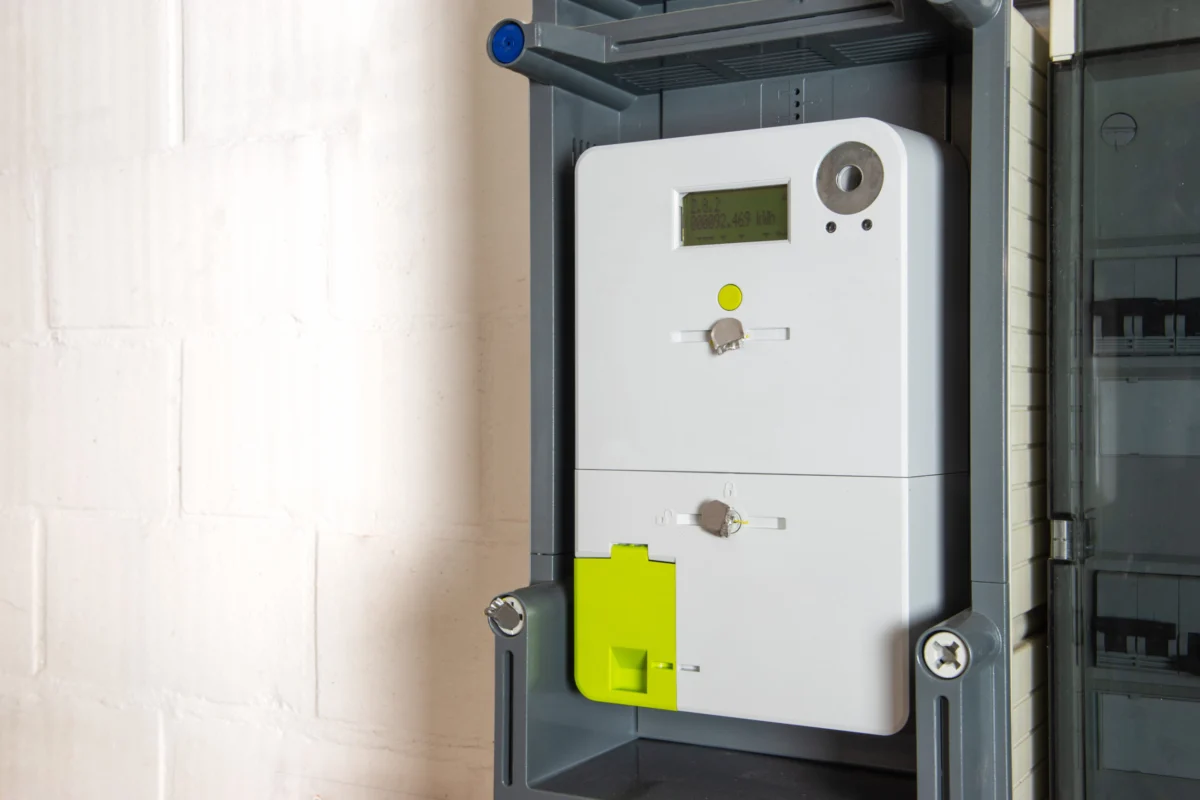
The nationwide rollout of smart meters is continuing to gather pace across Great Britain, bringing automated energy tracking to millions of properties. With more than 42 million smart meters successfully installed in homes and small businesses as of June 2026, the sweeping infrastructure upgrade is fundamentally changing how commercial and domestic energy consumers interact with their utility suppliers.
As energy providers continue to contact eligible properties to offer installations, business owners are increasingly navigating the practicalities of upgrading their gas and electricity meters. Designed to replace traditional, manual-read devices, the new generation of meters aims to eliminate estimated billing, enhance energy transparency, and provide commercial entities with sharper insights into their daily consumption patterns.
To help business owners understand the ongoing transition, a comprehensive overview has been compiled to address the most frequent questions regarding costs, business eligibility, security frameworks, and operational impacts.
What is a smart meter?
Smart meters represent the modern standard for energy measurement across Great Britain. As part of a government-backed national infrastructure program, these devices are gradually superseding traditional gas and electricity meters in properties nationwide. Rather than serving merely as passive counters, smart meters are intelligent digital systems designed to monitor consumption with high precision and communicate directly with energy suppliers.
What do smart meters actually do?
At their core, smart meters continuously measure the exact volume of gas and electricity consumed by a property. They securely transmit this data directly to the energy supplier at least once a month, removing the administrative burden of taking manual meter readings.
The communication process relies on a dedicated, secure smart data network rather than the standard internet. Operating in a manner similar to other wireless systems, this closed network ensures that consumption figures are transmitted automatically and reliably without exposing data to public web channels.
Why do I need to measure energy use in this way?
Transitioning to automated measurement fundamentally alters how billing is calculated. Knowing precisely how much energy a business consumes allows suppliers to issue accurate bills rather than relying on estimated projections. For business owners, this means financial predictability, as they are billed strictly for the energy consumed rather than historical averages or generalized guesses.
How can I get a smart meter for my business?
With the rollout well advanced and millions of units operational across Great Britain, the installation process is deeply embedded within standard utility operations. Most businesses have already been contacted or will receive an official offer from their energy supplier to upgrade their meters as part of the ongoing national schedule.
Are smart meters mandatory for businesses?
While energy suppliers are legally required by the government to offer smart meters to all eligible small businesses, there is no legal mandate compelling business owners to accept the upgrade. Commercial tenants and owners maintain the right to refuse an installation initially. Those who decline can request a smart meter at any subsequent date, frequently at no additional installation cost.
Can I get a smart meter if my small business is based at my home?
Home-based enterprises are fully included within the scope of the national smart meter rollout. When a business operates directly out of a residential property, the associated commercial energy consumption is typically recorded alongside domestic usage. However, business owners who maintain a separate, dedicated meter specifically for commercial operations at a residential address should consult their energy supplier to discuss upgrading that specific unit.
I rent my premises from a landlord, what should I do?
Commercial tenants who lease offices, retail spaces, or industrial units and pay their own utility bills may be directly eligible for a smart meter installation. In scenarios where the landlord retains responsibility for the utility accounts and pays the energy bills directly, tenants should coordinate with their landlord to verify property eligibility and discuss potential upgrades.
If I want to get a smart meter fitted, how long does it take?
Once an energy supplier confirms that a business premises is structurally and technically suitable for an upgrade, an appointment is scheduled with a certified engineer. The physical installation process generally takes approximately two hours, breaking down to roughly one hour per meter for gas and electricity. During this brief window, the energy supply must be temporarily turned off. Suppliers coordinate these appointments carefully to minimize disruption to daily commercial operations.
Can I arrange an installation outside working hours?
To accommodate the operational needs of various enterprises, most energy suppliers offer flexible scheduling options for installations. Business owners can often arrange for engineers to visit outside of standard office hours, including during evenings or on Saturdays, thereby mitigating downtime. The temporary interruption of gas and electricity remains necessary during the physical fitting, regardless of the chosen time slot.
My business is eligible for a smart meter but my energy supplier hasn’t offered one yet, what should I do?
Businesses that fall within eligible categories but have not yet received an installation offer from their utility provider are not required to wait. Property owners and managers can proactively contact their energy supplier directly to request an upgrade and schedule an assessment.
Can I still switch energy suppliers if I have a smart meter?
Having a smart meter installed does not restrict a business’s freedom to switch energy providers. For properties equipped with second-generation smart meters, the transition is seamless, with the device continuing to transmit automated readings to the new supplier without billing disruptions. Properties with older, first-generation meters may occasionally need to provide a manual meter reading following a supplier switch.
Can I change how frequently my readings are taken?
Smart meters can be configured to record and transmit data at varying intervals, ranging from half-hourly updates and daily logs to monthly transmissions. Standard frequencies vary depending on the specific supplier, but businesses can often select their preferred reporting schedule. Opting for half-hourly readings provides the most granular level of detail regarding energy consumption habits.
Can I still take a reading on a smart meter?
While the automated nature of smart meters renders manual readings largely obsolete, business owners retain the ability to check and record figures directly from the device. This capability proves useful for internal monitoring or when required to submit a verification reading after switching suppliers. Installing engineers typically demonstrate how to read the specific meter model, and instructional guidance remains available through suppliers or product manuals.
What happens if my smart meter stops being smart?
In the rare event that a smart meter ceases its automated transmission capabilities, the device typically continues to measure and record energy usage locally. Under these circumstances, businesses must resume providing manual readings until the supplier repairs or replaces the unit. Maintenance responsibility remains with the current energy supplier, even if the property has switched providers since the initial installation.
Is my smart meter secure?
Data security has been a foundational consideration throughout the development of the smart metering infrastructure. Developed in close collaboration with the government and GCHQ, smart meters utilize a dedicated, closed communications system that operates entirely independently of the internet. This architecture ensures that robust security practices are embedded at every level of data transmission and storage.
What is the in-home display?
Energy suppliers frequently provide an in-home display (IHD) alongside a new smart meter installation. This portable screen offers a straightforward way for occupants to view real-time energy consumption and associated costs. Even when physical IHD units are not supplied, small businesses with smart or advanced meters retain access to regular, free energy data via supplier-provided applications, online dashboards, and analytical tools.
I’m keen for my business to contribute to reducing climate change. Does getting a smart meter help?
Adopting a smart meter supports broader environmental objectives by providing clear visibility into energy consumption patterns. Armed with precise data detailing when and how much energy is utilized, businesses can implement targeted conservation measures, ultimately reducing overall reliance on fossil fuels and lowering carbon footprints.
Who is Smart Energy GB?
Smart Energy GB is a government-backed organization dedicated to educating consumers and businesses about the advantages of smart meters. Operating across England, Scotland, and Wales, the national campaign aims to raise awareness of the infrastructure rollout and assist organizations in leveraging their new meters to achieve more sustainable energy practices.
Will my smart meter help my business save money?
Smart meters identify specific periods of peak energy consumption within a business day, enabling owners to pinpoint areas where usage can be curtailed to reduce overhead costs. Furthermore, businesses utilizing smart meters may qualify for "time-of-use" tariffs. These pricing structures offer reduced rates for energy consumed during off-peak hours or periods of surplus grid supply, though availability and eligibility criteria vary by supplier.
(This article is part of a paid-for information campaign for Smart Energy GB. For more information about how to install a smart meter in the workplace, visit the Smart Energy GB website at smartenergyGB.org. Eligibility may vary, and consumer action is required.)
| Source | : | Finance Poetry |
| Author | : | rifanmuazin |
| Editor | : | Finance Poetry Editorial Team |