
Without Citizens Policies, Floridians Likely Dropped Flood Coverage at the Worst Time
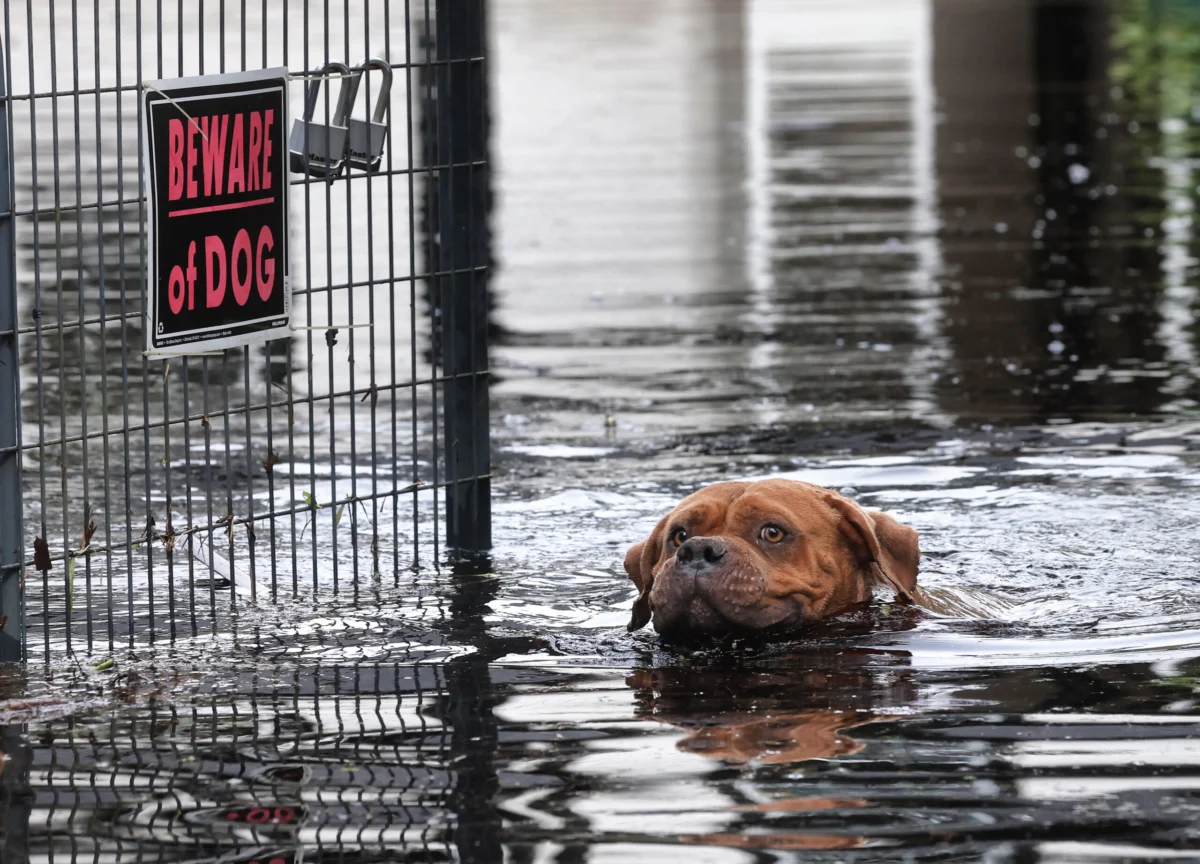
The unintended coverage gap was highlighted in a market analysis published by the global credit rating and insurance information firm AM Best. According to senior analysts at the firm, the shift away from state-backed policies has triggered a corresponding drop in vital water damage protections across central and eastern regions of Florida, just as severe storms and historic rainfall totals have battered the state.
At the height of Florida’s crippling property insurance crisis, state lawmakers enacted sweeping legislation in 2022 designed to address the unsustainable growth of Citizens. During this turbulent period, private carriers fled the state or became insolvent, leaving Citizens to balloon into the single largest property insurer in Florida. Because state law limits how much Citizens can increase its annual premiums, the insurer became artificially attractive compared to private alternatives, drawing in hundreds of thousands of desperate homeowners.
To curb this relentless influx and encourage policyholders to seek coverage in the private market, lawmakers instituted a strict mandate: anyone insured by Citizens was also legally required to purchase a separate flood insurance policy. The requirement served as a dual deterrent, adding financial responsibilities that made Citizens less appealing while ensuring that policyholders vulnerable to storm surges and heavy rains maintained adequate catastrophe protections.
However, market conditions have shifted notably over the last eighteen months. Following legislative reforms aimed at curbing frivolous litigation and stabilizing the operating environment, new private insurers have entered the Florida market, and traditional carriers have begun expanding their footprints once again. As market rates stabilized and private options multiplied, Citizens’ policy count experienced a dramatic decline. From a staggering peak of approximately 1.4 million active policies in 2023, the state-backed insurer’s rolls have shrunk down to just over 200,000 policies.
This successful depopulation effort, while widely praised as a victory for the free market and the long-term health of Florida’s insurance ecosystem, has triggered a worrying trend. Because the mandatory flood insurance requirement was explicitly tied to holding a Citizens policy, homeowners who successfully transition to private insurers are no longer bound by that statutory rule. Consequently, many property owners have chosen to drop their flood coverage to save money, creating a perilous blind spot in a state uniquely susceptible to rising waters.
AM Best analyst Christopher Graham pointed out the alarming statistics in his recent commentary, noting that less than twenty percent of total property owners across Florida maintain active flood insurance. Furthermore, Graham emphasized that even among those who do carry coverage, the distribution is far from uniform, leaving distinct regions dangerously underinsured relative to their actual geographic risk.
That statistical reality has manifested in devastating fashion across parts of eastern Florida, which recently absorbed more than thirty inches of torrential rainfall over the course of just a few days. The intense precipitation, which meteorologists noted was on par with the hydrological impact of a fully formed tropical system, fell on top of ground that was already thoroughly saturated from heavy November storms. Because the soil had completely lost its capacity to absorb additional moisture, the deluge immediately generated widespread, severe flooding.
The severe weather prompted extended flood watches across northeast Florida, while hydrological markers registered historic water levels. The St. Johns River reached unprecedented heights, cresting at more than eighteen feet in Cocoa, Florida. River forecasting models warned that the vital waterway would remain locked in flood stage for three weeks, threatening downstream communities and low-lying neighborhoods as the massive volume of water slowly makes its way northward toward Jacksonville.
The full financial toll of the weather event remains difficult to calculate in real time. While insurance experts anticipate that calendar-year results will ultimately reflect loss ratios significantly higher than those recorded through the third quarter, the complete picture of property damage is still emerging as floodwaters recede and adjusters gain access to impacted zones.
At the same time, the severe weather threat has refused to relent. Additional flooding has loomed over the greater Miami area, fueled by persistent heavy rains and the constant threat of tornadoes as severe weather systems moved through the region. The ongoing storms arrived directly on the heels of a localized weather phenomenon that meteorologists described as a rain bomb, which dumped an astonishing fifteen inches of rain on localized parts of south Florida in a matter of hours. The volatile atmospheric conditions also spawned a destructive tornado that tore through portions of Palm Beach County, ripping roofs off homes and uprooting mature trees at a local country club.
In response to the widespread destruction, the Federal Emergency Management Agency approved a disaster declaration for large swaths of Florida that have already been inundated by floodwaters. The federal action immediately unlocked approximately $500 million in critical recovery aid, designed to fund emergency response efforts and long-term infrastructure repair projects. Meanwhile, Florida Governor Ron DeSantis announced that his administration is preparing to request an additional major disaster declaration specifically tailored to address the extensive damages sustained in vulnerable coastal communities.
Compounding the anxiety for property owners attempting to navigate the volatile insurance landscape is an impending deadline hanging over the federal safety net. Homeowners seeking to purchase or renew policies through the National Flood Insurance Program face immediate uncertainty, as the statutory authorization for the NFIP is scheduled to expire. The expiration date coincides with a looming partial federal government shutdown, which threatens to halt operations unless Congress approves a stopgap appropriations measure in time.
Should the program lapse due to legislative gridlock, the NFIP will be forced to immediately freeze operations, bringing a complete halt to the issuance of new flood policies and the renewal of existing ones. Property owners whose federal flood policies happen to expire during this administrative freeze would face difficult choices, forced to either go completely unprotected or scramble for alternative solutions within the limited private market.
| Source | : | Finance Poetry |
| Author | : | rifanmuazin |
| Editor | : | Finance Poetry Editorial Team |