
Mastering Cash Flow Forecasts: Essential Financial Strategies for Small Businesses
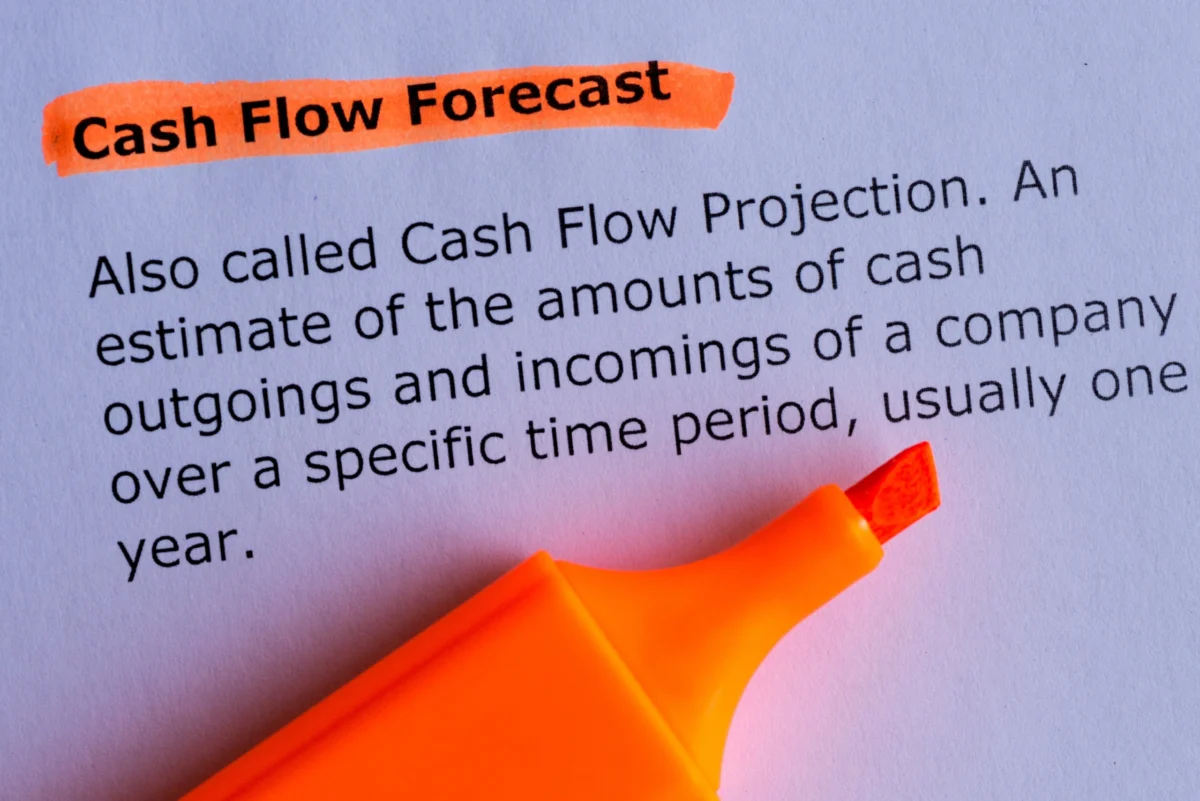
Just as plants require a steady supply of water to remain healthy and vibrant, businesses depend on cash to survive and grow. At its core, cash flow represents the physical movement of money into and out of an enterprise, acting as the fundamental heartbeat of commercial operations. Without a clear understanding of this financial rhythm, even companies with strong sales figures can find themselves facing unexpected turbulence.
Cash flow forecasting goes hand in hand with any serious discussion about business sustainability. It provides owners with a reliable method to predict future liquidity, enabling them to plan ahead and make critical decisions with confidence. Whether an entrepreneur is looking to expand operations, secure a commercial loan, or simply gain a clearer picture of day-to-day performance, cash flow forecasts serve as powerful financial instruments in the modern marketplace.
Understanding the baseline mechanics of these forecasts is essential for any enterprise navigating the complexities of modern commerce. By examining past financial records and projecting upcoming revenue and expenses, business leaders can transform raw data into actionable foresight, laying a strong foundation for long-term stability.
What is cash flow?
To properly grasp the principles of forecasting, the first step is to fully understand cash flow itself. The main concept to remember is that cash flow encompasses both the capital moving into a business and the funds flowing out to cover various obligations.
Cash primarily enters a business through standard sales and revenue generation. However, incoming funds can also stem from external sources such as bank loans, lines of credit, or recent tax rebates. On the expenditure side, cash outflow accounts for all the money an enterprise spends to keep its doors open. This includes fixed and variable costs like rent, taxes, employee salaries, marketing campaigns, insurance premiums, and operational supplies.
Consider the practical example of a local dry cleaning business, where the vast majority of income is generated directly through cleaning and alteration services. If the owner has recently taken out a commercial loan to acquire advanced pressing equipment, that borrowed capital represents an additional influx of cash. Meanwhile, the outflow of money will largely be directed toward paying suppliers, covering staff wages, funding the owner’s salary, settling tax bills, managing everyday running costs, and servicing the ongoing loan repayments.
What is a cash flow forecast?
While tracking current transactions is vital, cash flow forecasts take financial management a step further by calculating how money moving in and out of the enterprise might behave in the future. Building an accurate forecast, however, requires a solid foundation of past financial data.
Consequently, a cash flow forecast for a newly launched startup will inherently look different from one generated by an established enterprise. Startups often have limited historical records, which typically serve as the building blocks for reliable projections. Conversely, businesses that have been trading for a longer period with comprehensive financial records are in a much stronger position to project further out into the future with greater precision.
What does a cash flow forecast show?
At their operational core, cash flow forecasts are detailed financial spreadsheets. Along the top axis, users typically plot the upcoming months of the year, while the vertical rows below are dedicated to itemizing projected income and expenses for each specific period. Business owners can input their expected monthly revenue alongside outgoing costs broken down into clear categories, such as general overhead expenses and scheduled loan repayments.
The most critical metric revealed by this process is net cash flow, which represents the mathematical difference between total money coming in and total money going out. Net cash flow clearly demonstrates whether an enterprise is generating more cash than it is currently burning through, or if the opposite is true.
With modern financial software that integrates directly with digital accounting platforms, business owners can also access more visual representations of their data. These tools often depict the financial peaks and troughs of a company’s cash trajectory using dynamic line graphs, making complex financial trends much easier to interpret at a glance.
Why are cash flow forecasts important?
The practical applications of a cash flow forecast extend across multiple areas of business management, primarily acting as a financial barometer that allows owners to gauge potential operational pressure. Numerous common business scenarios can trigger severe cash flow problems, ranging from delayed client payments to uncontrolled, rapid growth. Proper forecasting helps management catch these potential hurdles early before they evolve into full-blown crises.
Armed with accurate visibility into what the financial future holds, leaders are empowered to make more informed decisions. A robust cash flow forecast makes it significantly easier to determine whether a company can comfortably afford to hire a new team member, invest in advanced machinery, or take on additional operational costs without risking insolvency.
Furthermore, external lenders place immense value on these documents. Much like standard payslips are required when an individual applies for a mortgage, a detailed cash flow forecast helps entrepreneurs prove the viability and operational performance of their business when seeking external financing from banks or investors.
How to fix cash flow gaps
A cash flow gap represents the precarious financial space between paying for operational outgoings and actually receiving payment for completed work or delivered goods. Left unmanaged, these gaps can force business owners to seek unnecessary short-term borrowing or encounter other severe liquidity problems.
Reviewing cash flow forecasts on a regular weekly basis can significantly assist enterprises in preventing these cash flow gaps from forming. Frequent reviews help management pinpoint the underlying causes behind liquidity shortfalls, particularly if those gaps appear with concerning regularity.
Beyond analyzing hard numbers, proactive business planning involves preparing for adverse scenarios, such as clients paying significantly past their invoice due dates—a challenge that remains distressingly common for independent small business owners. Establishing a rigorous process for chasing late payments, supported by prompt initial invoicing, is vital. While most businesses experience naturally busy seasons, managing finances carefully to ensure adequate reserves during quieter months should also be a core component of any forecast. This approach ties closely into effective inventory management, ensuring that capital is not unnecessarily tied up in excess stock that sits idle on shelves.
Cash flow forecast structures
Cash flow forecasts are generally organized into one of two primary structural approaches, depending on the specific goals of the enterprise.
Direct cash flow projections rely on expected receipts and upcoming payments. This method is exceptionally well-suited for short-term financial measurements, typically tracked across days and weeks, but is generally less effective for long-term strategic planning.
Indirect cash flow, on the other hand, measures broader projections by adjusting for non-cash items, such as depreciation and shifts in working capital, to evaluate how they ultimately impact overall cash availability. This model is considerably better suited for long-term forecasting, such as mapping out a full fiscal year.
Newer and smaller businesses generally benefit most from direct forecasting methods, as they typically lack the extensive historical profitability records required for complex indirect models. Because smaller enterprises are often primarily focused on immediate, short-term liquidity, direct forecasting aligns closely with their daily operational needs. However, some organizations choose to combine both direct and indirect forecasting techniques to secure a comprehensive, multi-layered financial picture.
How to create a cash flow forecast
Preparing a financial forecast is often streamlined through the use of pre-formatted templates, which provide ready-made digital spreadsheets designed to capture all essential data points. Entrepreneurs seeking to build their own models typically need to assemble a comprehensive record of their current bank balances, verified income streams, and all recurring outgoings before populating the document.
While manual spreadsheets remain common, utilizing integrated digital accounting software ensures that income and expenditure tracking remains accurate and up-to-date, preventing the common administrative errors that can undermine financial planning. Maintaining accurate digital records not only simplifies internal forecasting but also supports broader compliance requirements as businesses navigate the evolving landscape of digital tax administration.
| Source | : | Finance Poetry |
| Author | : | rifanmuazin |
| Editor | : | Finance Poetry Editorial Team |