
Americans May Finally Find Relief at the Pump as National Gasoline Prices Fall Below $4 a Gallon
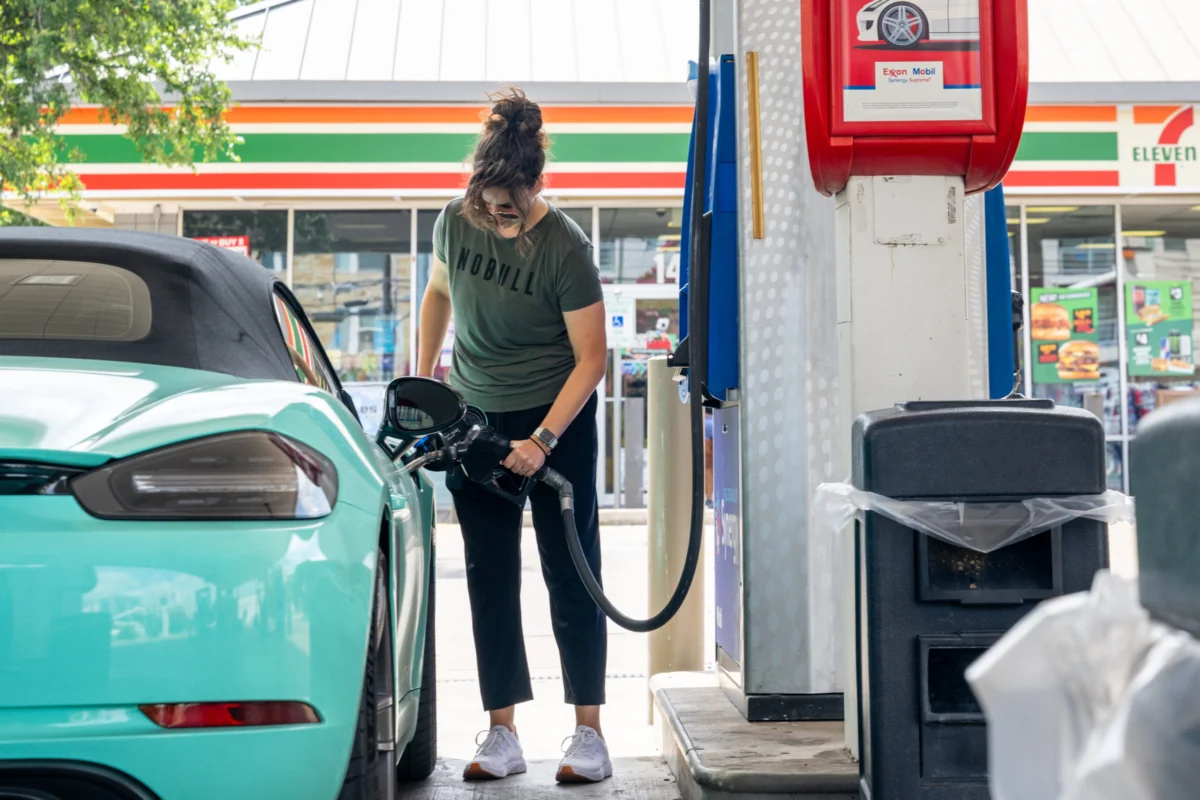
Americans may finally find some relief at the pump as fuel costs retreat from recent highs, offering a welcome respite to household budgets that have been strained by months of persistent inflationary pressures.
The national average price of regular gasoline has fallen below $4 a gallon for the first time since July, reaching $3.9788 on Tuesday, according to data from AAA. This marks a notable decline for drivers across the country, with prices dropping about 17 cents from just a week ago and nearly 39 cents compared to a month ago.
This downward trend at service stations across the nation follows a broader, significant cooling in energy inflation during the month of October. According to figures released by the Bureau of Labor Statistics, energy prices increased by just 0.7% during the month, representing a dramatic shift from the 5.2% surge recorded in September. Furthermore, the Bureau’s specific gasoline index rose by a modest 1% over the course of October, a steep deceleration after advancing by a striking 9.1% in September.
Market analysts note that while the current relief is welcome, part of the downward trajectory is driven by predictable calendar trends. Experts from Bespoke Investment Group pointed out that gasoline prices naturally tend to decline during this specific period of the year, meaning that a portion of the recent relief is driven by seasonal factors.
"While lower oil prices have been a tailwind for the relief at the pump, it’s also perfectly normal for gas prices to be falling at this time of year, so if they weren’t, there would really be something wrong," the firm noted in a recent assessment.
Oil and Inflation
The recent drop at service stations across the country followed a sharp and sudden retreat in global crude oil markets. International oil benchmark Brent crude on Tuesday briefly fell below $90 a barrel for the first time since August. This downward movement in crude prices came as public comments from U.S. President Donald Trump fueled growing market hopes for a potential diplomatic resolution or an end to Washington’s nearly nine-month conflict with Iran.
In addition to shifting political rhetoric, fundamental supply dynamics have also begun to stabilize. Recovering oil flows from the Persian Gulf region have noticeably eased previous supply concerns that had kept energy markets on edge. According to assessments from financial services firm ING, regional crude exports have successfully rebounded to an estimated 80% to 85% of their prewar levels, a recovery that includes crucial pipeline shipments.
"Energy markets remain under pressure as hopes for a de-escalation in the Middle East reduce geopolitical risk premiums. Oil extended its losses as Gulf supply flows continued to recover, while European gas also moved lower," analysts at ING wrote in a research note.
Despite the immediate relief being felt by consumers at gas stations and the broader cooling of monthly energy inflation metrics, policymakers remain cautious about the lasting implications for the broader economy. Federal Reserve Governor Christopher Waller warned during a speech on Tuesday that energy shocks may continue to exert more persistent effects on overall inflation than they did in the economic environment prevailing before the pandemic.
"While I am pleased to see energy prices down from their high rates over the past week or so, they are still quite elevated relative to the start of the year, and the ultimate effect on inflation will depend on what levels are sustained," Waller said.
| Source | : | Finance Poetry |
| Author | : | rifanmuazin |
| Editor | : | Finance Poetry Editorial Team |