
Rheinmetall Cuts Full-Year Guidance Amid Contract Delays, Sending Shares Plunging
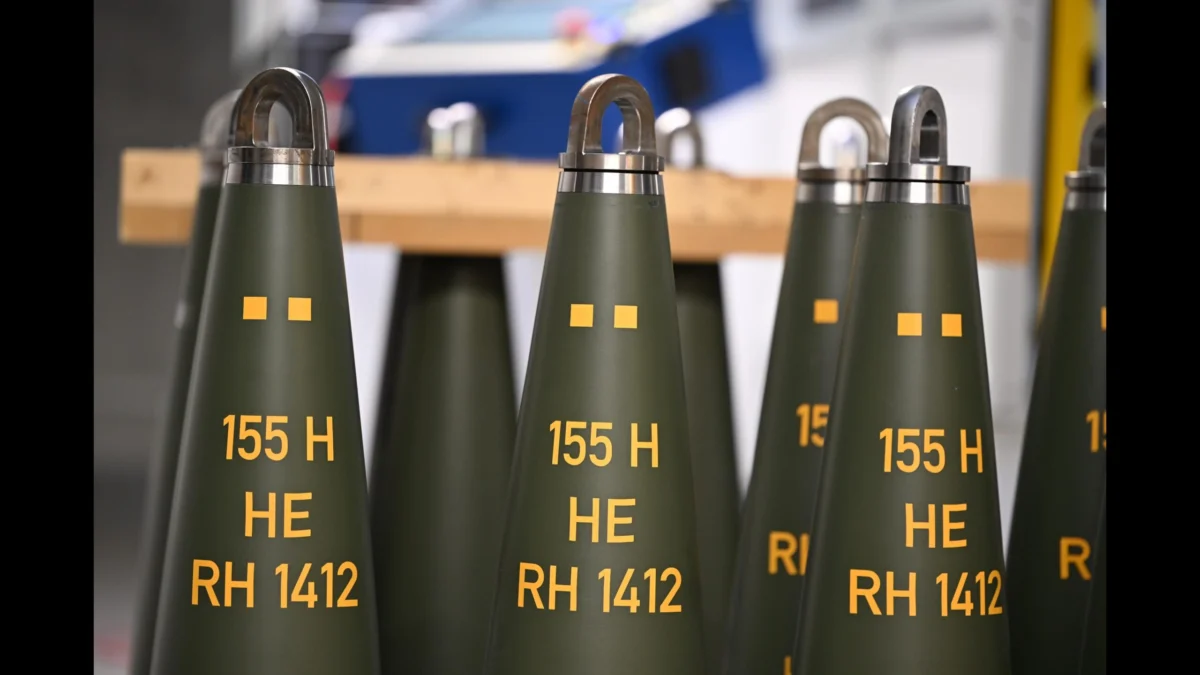
German defense giant Rheinmetall has cut its full-year financial guidance late Wednesday, pointing to persistent delays in crucial military contracts and artillery ammunition deliveries. The announcement marks the company’s second outlook reduction since August, when broader geopolitical and domestic procurement shifts began weighing on the industrial titan.
The revised forecast underscores the operational hurdles facing Europe’s defense sector even as governments across the continent ramp up military spending in response to ongoing security threats. Rheinmetall now expects sales to reach approximately 13.2 billion euros, or roughly $14.9 billion, for the 2026 financial year. This represents a downward revision from its prior outlook range of between 13.7 billion and 14.2 billion euros. Additionally, the company anticipates an operating margin of roughly 18.5%, down from the previously projected 19%.
The adjustment stems directly from setbacks in key government programs. Rheinmetall cited delays affecting the German military’s Arminius project—a major military procurement initiative centered on Boxer armored vehicles—alongside hurdles encountered during acceptance testing for artillery ammunition.
The Arminius contract, which is now anticipated to be formally commissioned next year, involves vehicles manufactured by ARTEC. ARTEC operates as a joint venture between Rheinmetall and the Franco-German defense group KNDS. Compounding these issues, the company noted that the Boxer contract delays will push anticipated advance payments into 2027. This shift is expected to impact Rheinmetall’s previous cash conversion target of over 40%, although the firm maintains that it will still generate positive operating free cash flow this year.
Furthermore, management flagged delays regarding expected fourth-quarter revenue stemming from new business activities, most notably its strategic partnership with Dutch defense technology firm Destinus.
The market reaction to the guidance cut was swift and severe. Rheinmetall shares closed 16.1% lower on Thursday, deepening the stock’s downturn and bringing its year-to-date losses to approximately 50%. The sharp correction stands in stark contrast to the company’s extraordinary trajectory over the preceding years. Following Russia’s full-scale invasion of Ukraine in 2022, Rheinmetall emerged as one of the primary beneficiaries of increased military budgets by European governments, recording an average annual gain of 119% over the prior four years.
Financial analysts were quick to assess the broader implications of the announcement. Analysts at RBC described the update as "clearly negative," expressing apprehension regarding the timing, scope, and downstream effects of the Boxer program delays on Rheinmetall’s medium-term trajectory. They cautioned that the development could exacerbate broader investor anxieties surrounding traditional defense technologies.
"We suspect bears will see this negatively as part of the ongoing ‘new-tech vs old-tech’ sector debate," the RBC analysts stated in a note to clients.
The guidance cut arrives paradoxically alongside improving operational figures for the defense contractor. Alongside its revised outlook, Rheinmetall posted robust financial results for the third quarter, demonstrating solid underlying demand and execution in its core manufacturing segments.
During the third quarter, Rheinmetall’s sales increased by 32% compared to the same period in the previous year, reaching 3.15 billion euros. Operating profit experienced an even steeper climb, jumping 62% year-on-year to 553 million euros.
New order intake during the quarter stood at 2.89 billion euros, further swelling the company’s formidable order backlog to 78 billion euros by the end of the third quarter. Despite the overshadowing effect of the lowered outlook, analysts at Citi characterized the third-quarter performance as a strong set of results, underscoring the fundamental strength of the company’s order book and operational revenue generation even as specific program timelines slip.
| Source | : | Finance Poetry |
| Author | : | rifanmuazin |
| Editor | : | Finance Poetry Editorial Team |