
The Hidden Costs of Car Ownership: Why Insurance and Maintenance Can Swing by Thousands a Year
When car shoppers weigh their next vehicle purchase, the sticker price at the dealership usually commands the spotlight. Yet, long after the keys are handed over and the initial paperwork is signed, secondary expenses begin to accumulate. For drivers looking to optimize their personal finances, focusing solely on the purchase price can lead to costly surprises. Insurance premiums and ongoing maintenance bills follow an owner for every mile driven, and the models that rank as the most economical on one front are frequently the most expensive on the other.
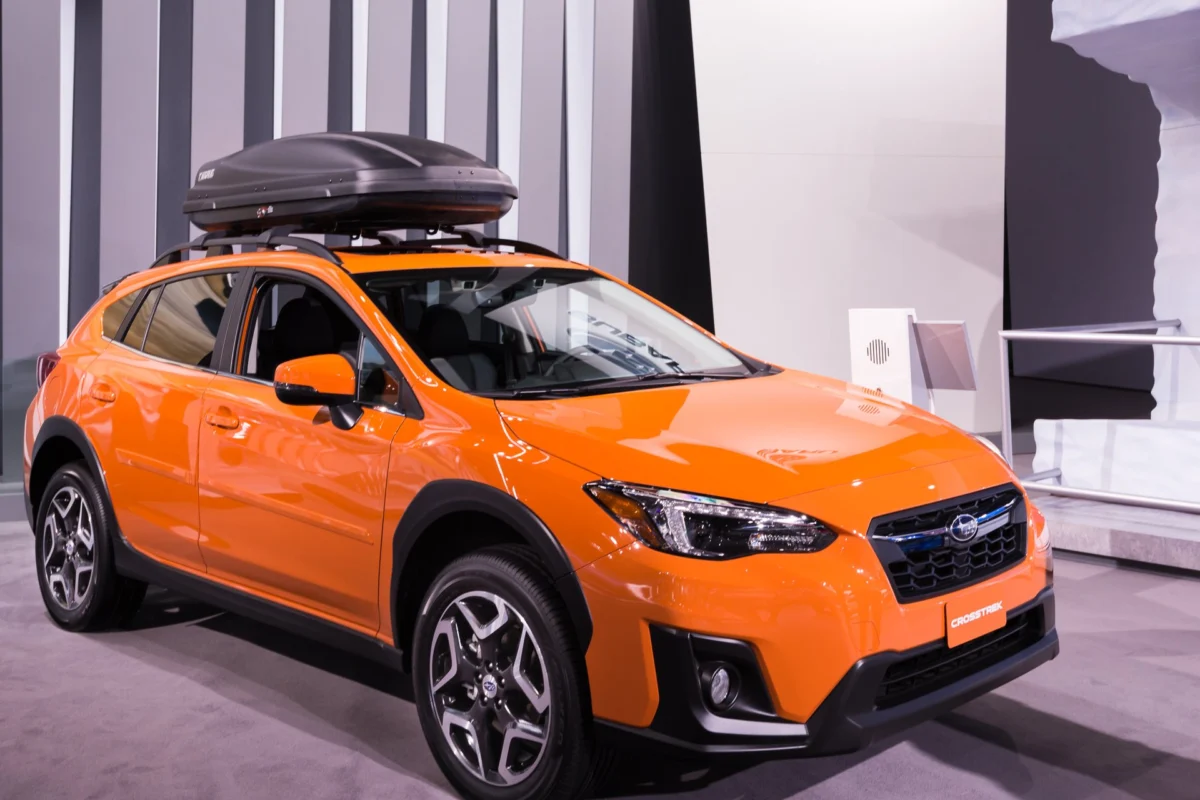
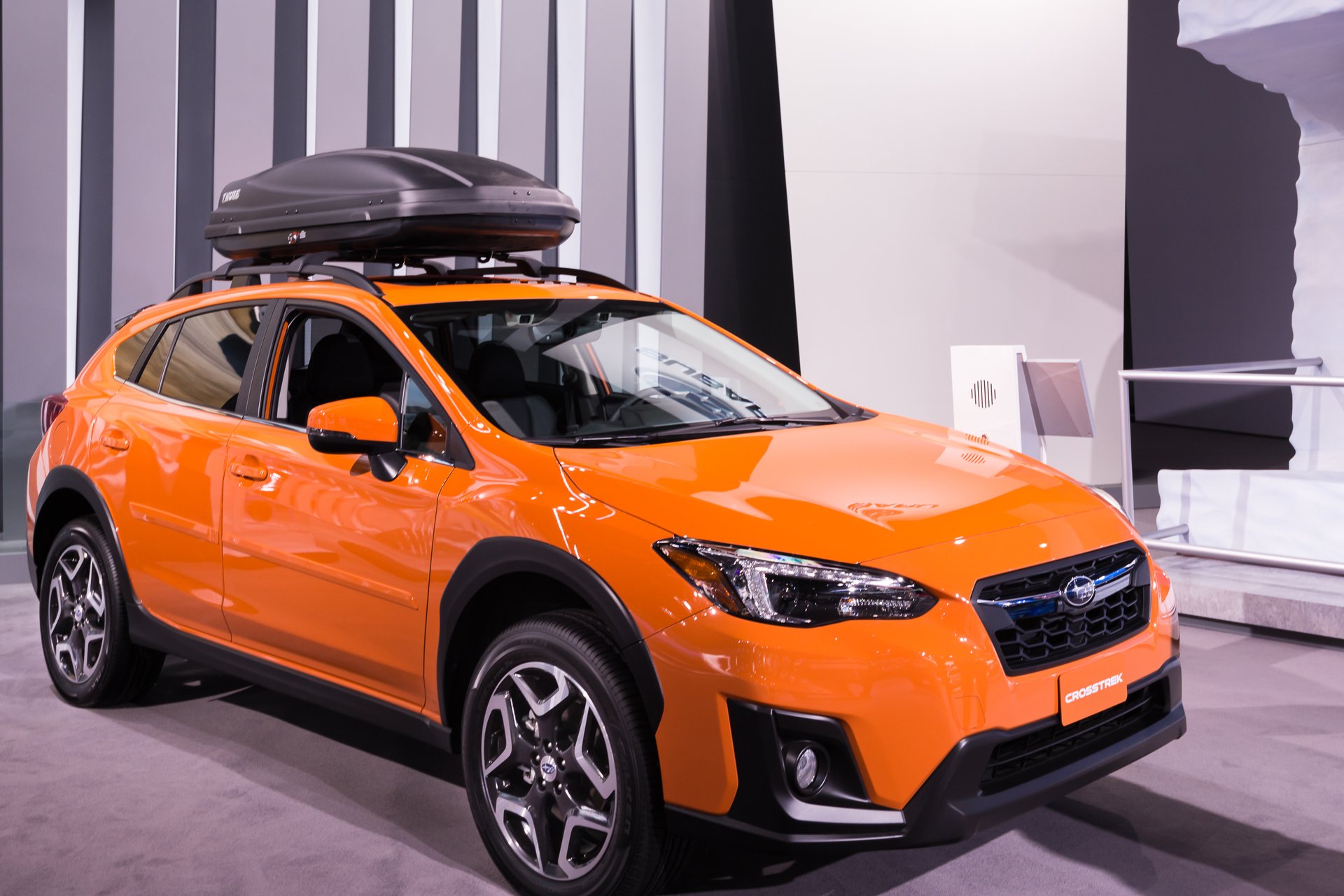
A stark illustration of this financial disparity can be seen by comparing a high-end luxury performance vehicle with an everyday practical commuter car. Choosing to buy a BMW M8 Gran Coupe instead of a Subaru Crosstrek, for instance, results in an insurance bill that is roughly $4,445 higher every single year, even before the vehicle is driven a single mile.
That staggering financial gap comes from a recent analysis conducted by CarInsurance.com, which utilized sample insurance rates provided by Quadrant Information Services. The data models a profile for a 40-year-old driver with full coverage, standard $500 deductibles, and liability limits positioned well above state minimum requirements. The findings underscore a fundamental reality of modern automotive economics: the initial retail price is merely the opening chapter in the true cost of vehicle ownership.
The Cheapest Cars to Insure
On the opposite end of the financial spectrum, sports utility vehicles consistently dominate the more affordable tier of insurance premiums. According to industry data, none of the top five cheapest vehicles to insure exceed $2,330 a year in coverage costs.
Vehicles that secure the lowest insurance rates typically share a specific set of characteristics. They pair high safety ratings with modest horsepower outputs and remarkably low theft rates. These models are generally not engineered to be driven aggressively on the track, nor do they feature the exotic styling or high-value components that make them tempting targets for professional car thieves. Because insurance underwriters calculate risk based on historical claims data, frequency of accidents, and the likelihood of vehicle theft, these practical, unassuming models offer significant relief to monthly household budgets.
The Most Expensive Cars to Insure
Conversely, the highest tiers of insurance costs are heavily populated by elite European performance brands, with BMW claiming four of the top five positions for high-end performance variants within the M5 and M8 lineups.
The BMW M8 Gran Coupe, for example, triggers nearly every risk factor that causes insurance underwriters to raise their rates. With a starting price hovering around $140,000, an engine outputting a formidable 617 horsepower, and a statistical profile that marks it as a frequent target for car thieves, insuring such a vehicle requires a substantial financial commitment, as noted by CarInsurance.com.
Just behind the top five most expensive models sit vehicles such as the Porsche 911 Turbo, the Audi RS7, and the Mercedes-AMG G63. Insuring any one of these high-performance machines typically costs between $6,250 and $6,400 annually, transforming insurance from a routine administrative expense into a significant annual line item.
Why the Gap Is So Wide
The immense divide in insurance costs stems from how underwriters price risk and vehicle replacement. Insurance companies do not merely look at what a buyer paid for a car at the dealership; they evaluate what it will cost to repair or replace that vehicle after a collision.
A practical vehicle like the Subaru Crosstrek relies on inexpensive, widely manufactured parts that are readily available across the country. In contrast, a high-performance vehicle like the BMW M5 pairs a complex twin-turbo V8 engine and massive horsepower with specialized, low-volume parts and specialized labor rates to match.
Furthermore, modern automotive technology has dramatically driven up the cost of even minor fender benders. Insurance industry experts point out that vehicle components that were once straightforward and inexpensive to replace have been transformed into complex electronic assemblies. A windshield that once cost roughly $300 to replace can now easily run between $800 and $2,000 due to integrated rain-sensing technology, heating elements, and advanced driver-assistance cameras. Similarly, modern side mirrors, headlights, and bumpers are packed with sensors that require precise, time-consuming recalibration by specialized technicians following any physical repair.
Electric performance cars face a parallel set of pressures that push them toward the higher end of the insurance spectrum. Models like the Audi e-tron GT and the Porsche Taycan carry steep sticker prices, but their heavy, high-capacity battery packs represent a major liability for insurers. Electric vehicle battery packs alone can easily reach five-figure replacement costs. According to industry data from CarInsurance.com, replacing the battery pack in a Tesla can run anywhere from $10,000 to $15,000. When individual components cost that much to replace, a relatively modest traffic accident becomes significantly more expensive, drastically increasing the likelihood that an insurance company will declare the vehicle a total loss.
Theft risk remains another critical pricing metric. Models that consistently rank high on stolen vehicle reports carry higher premiums, regardless of how defensively or carefully their individual owners drive. Trim levels also play a major role within the same model family. The base version of a car is almost universally the cheapest to insure, with premiums climbing steadily as buyers opt for larger engines, sport-tuned suspensions, and more luxurious interior finishes. Interestingly, while performance and trim levels heavily influence rates, persistent urban legends about paint colors—such as the myth that red cars cost more to insure—hold no weight in actual underwriting algorithms.
Consider More Than Insurance
When evaluating the long-term financial commitment of a vehicle, ongoing maintenance costs follow a remarkably similar trajectory to insurance premiums. Data compiled through Consumer Reports’ extensive tracking of ten-year maintenance and repair costs, gathered via verified member surveys, reveals that European luxury brands—including Audi, BMW, Mercedes-Benz, and Porsche—consistently rank among the most expensive vehicles to maintain over a decade.
At the other end of the spectrum, domestic brands such as Buick and Lincoln frequently rank as the cheapest to maintain. According to the data, the ten-year maintenance costs for the most affordable brands are roughly one-fourth of those associated with Land Rover, which frequently occupies the position of the most expensive brand to service over the long term.
The Subaru brand provides a clear example of why vehicle buyers benefit from examining both insurance and maintenance metrics simultaneously. While models like the Crosstrek and the Outback rank as two of the cheapest vehicles to insure, the brand as a whole lands in the costlier half of Consumer Reports’ maintenance rankings, trailing behind notoriously reliable and inexpensive-to-service mainstream brands like Toyota, Honda, and Ford.
Industry analysts recommend that vehicle shoppers look closely at predicted reliability ratings before making a financial commitment. Steven Elek, who oversees automotive data analytics at Consumer Reports, suggests that consumers investigate a model’s projected reliability ratings alongside insurance cost estimates early in the shopping process rather than treating them as an afterthought.
Get a Number Before You Sign
None of these financial realities imply that purchasing a high-end luxury car or a performance-focused vehicle is inherently a poor financial decision. However, automotive experts strongly advise looking into insurance quotes before finalizing a vehicle purchase. Because individual insurance rates are determined by a complex matrix of personal factors—including driver age, personal driving history, residential ZIP code, and the specific vehicle trim level chosen—actual insurance costs can land significantly above or below broad market averages.
By comparing insurance quotes for each model under consideration, and ensuring that identical coverage limits and deductibles are applied across every quote, car buyers can prevent unexpected financial strain and ensure their next vehicle purchase fits comfortably within their long-term budget.
| Source | : | Finance Poetry |
| Author | : | rifanmuazin |
| Editor | : | Finance Poetry Editorial Team |