
U.S. Employers Add 165,000 Jobs in October, Surpassing Expectations and Signaling Continued Labor Market Resilience
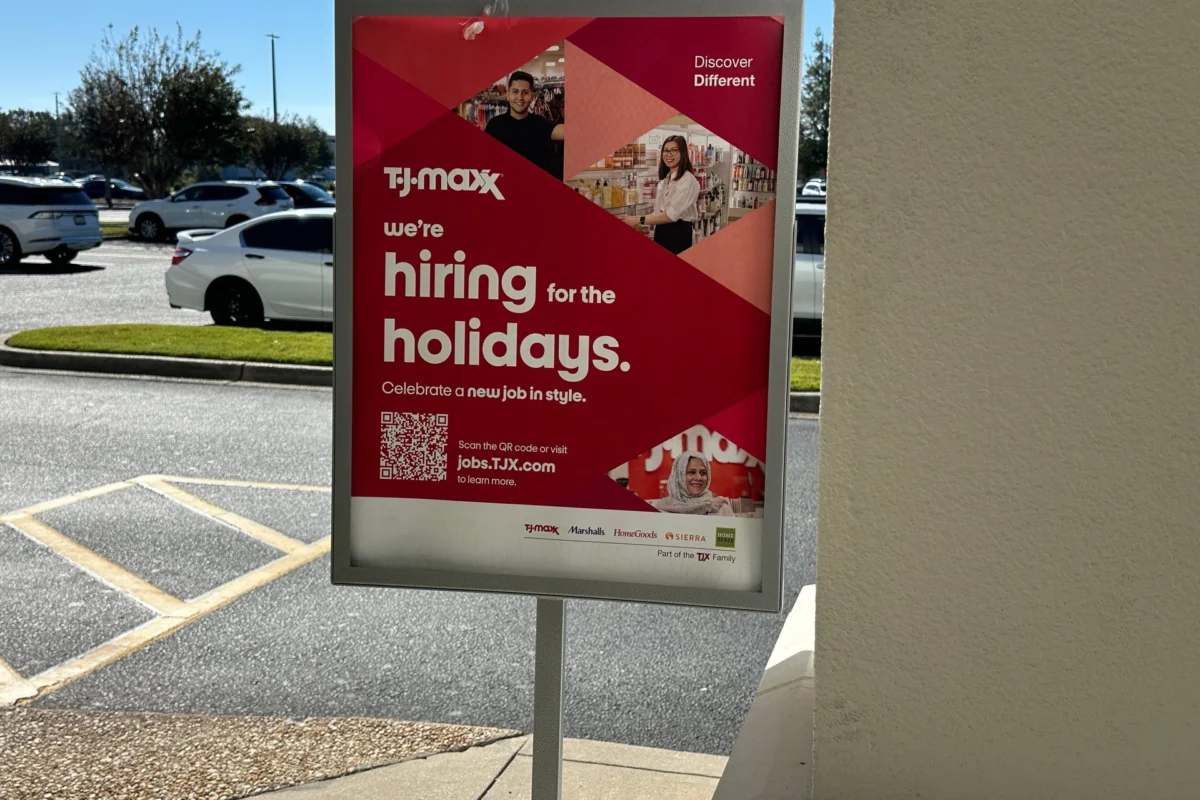
U.S. employers added 165,000 jobs in October, according to data released by the Labor Department on November 6, surpassing forecasters’ expectations and extending a recent trend of sharp, unpredictable swings in the national hiring landscape. The latest employment figures suggest that the American labor market continues to display remarkable resilience despite months of high interest rates, global economic uncertainties, and shifting corporate hiring strategies.
Alongside the October employment figures, the Labor Department announced significant upward revisions to job growth numbers from previous months, reflecting a much stronger underlying demand for workers than had been initially estimated. The department now reports that U.S. employers added 60,000 jobs in September, a notable upward adjustment from the initial estimate of just 29,000 jobs. Furthermore, the employment gain for August was revised to 186,000 jobs. These retrospective revisions point to a more robust economic engine over the late summer and early autumn than standard preliminary readings had indicated, painting a picture of an economy that is absorbing labor at a steadier pace than previously understood by market analysts and policymakers.
Despite the healthier job creation numbers, worker pay ticked up only modestly last month, a trend that analysts suggest is still not enough to comfortably outpace broader inflationary pressures. Average hourly earnings for employees working on private, nonfarm payrolls rose by 14 cents, bringing the average to $38.00 in October. When measured over the course of the year, average hourly earnings were up 3.1%. While wage growth remains a welcome development for American households navigating higher everyday expenses, it continues to lag behind consumer price increases. In comparison, consumer prices rose at an annual rate of 3.7% in September, highlighting a persistent gap where wage gains are still playing catch-up with the cost of living.
The dynamic between job growth, wage increases, and inflation plays out against a backdrop of broader demographic and structural shifts in the national workforce. Relative to past years, fewer people are joining the labor force, a phenomenon driven by various factors including an aging population and changing retirement patterns. However, the labor force participation rate inched up slightly to 61.9% in October, rising from 61.8% in September. In macroeconomic terms, a smaller labor force means that U.S. employers do not need to add as many jobs month-over-month to keep the unemployment rate steady.
Reflecting this structural balance, the national unemployment rate ticked down to 4.1% in October, slipping from 4.2% the previous month. This slight improvement in the unemployment rate, combined with better-than-expected hiring numbers and upward revisions to past data, provides a comprehensive look at an economy that refuses to slow down in the ways many forecasters anticipated earlier in the year.
This solid labor market reading is expected to carry significant weight for officials at the Federal Reserve. Tasked with the dual mandate of keeping unemployment low and maintaining price stability through monetary policy, central bank officials are likely to view the October employment report as giving them the green light to prioritize concerns about persistent inflation at their upcoming policy meeting. As of November 6, the majority of financial market forecasters believe that this continued economic resilience and stubborn inflation will motivate policymakers to raise their benchmark for short-term interest rates by a quarter-point during their December meeting, according to data from CME FedWatch. Such a move would signal that the central bank remains vigilant in its fight against inflation, even as the labor market continues to exceed expectations.
As economic data continues to evolve, market participants, policymakers, and workers alike will be closely monitoring subsequent reports to determine whether this momentum can be sustained into the final weeks of the year.
(This is a developing story that will be updated to add new information.)
Reporting by Rachel Barber, USA TODAY / USA TODAY Network via Reuters Connect
| Source | : | Finance Poetry |
| Author | : | rifanmuazin |
| Editor | : | Finance Poetry Editorial Team |