
Zipline hits $21.5B valuation as Walmart expands bet on drone delivery
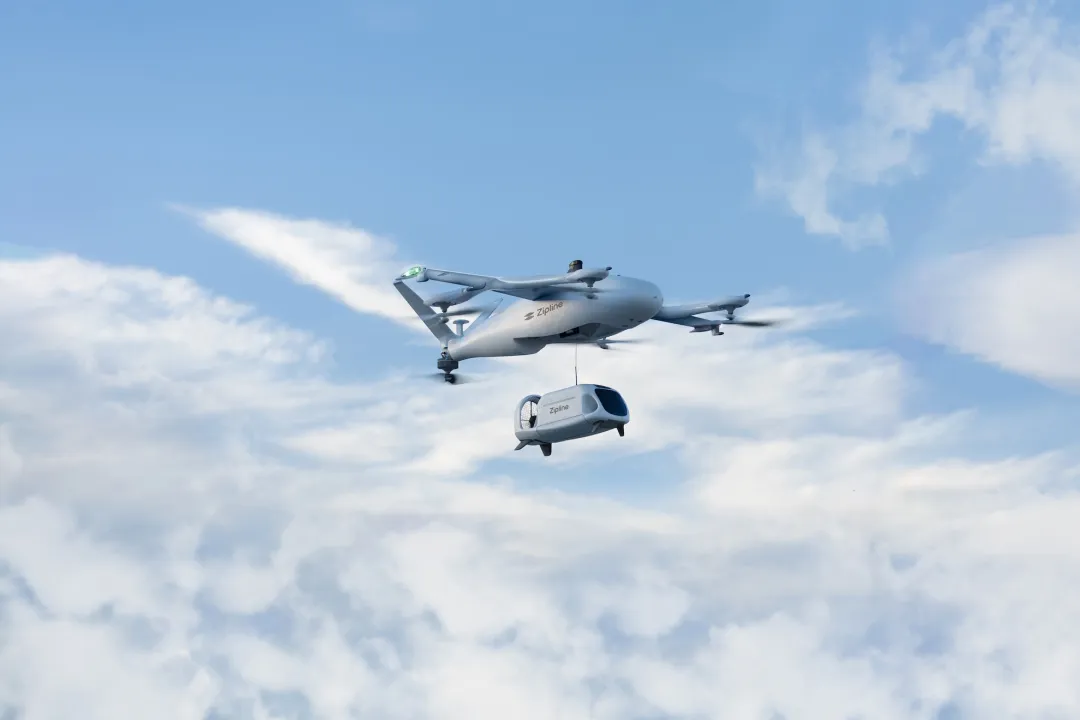
Under the terms of their newly expanded relationship, Zipline and Walmart have reached a significant multi-year commercial agreement to deploy 300 additional drone delivery sites across the United States. While the two prominent companies have maintained a cooperative drone delivery agreement since 2021, this newly minted deal represents an extraordinary expansion from the 21 active drone delivery sites they currently operate together across the country. The ambitious rollout is expected to bring autonomous aerial fulfillment within reach of millions of new American households, fundamentally transforming how everyday retail, grocery, and household goods are transported directly to consumers’ doorsteps.
On the financial front, Zipline’s blockbuster $1.5 billion fundraising round was co-led by prominent investment firms Paradigm, WCM Investment Management, and Layer Global. The massive financing effort also drew robust participation from a roster of high-profile backers and institutional heavyweights, including Valor Equity Partners, Fidelity Management & Research Company, ride-hailing and delivery giant Uber, Tiger Global, J.P. Morgan, ARK Invest, and Salesforce Ventures. With the successful closure of this latest capital injection, Zipline’s corporate valuation has now surged to an impressive $21.5 billion, cementing its status as one of the most valuable and heavily backed startups in the burgeoning autonomous logistics sector.
The California-based company, which has spent years developing a comprehensive, vertically integrated drone delivery ecosystem encompassing proprietary aircraft, specialized launch and landing infrastructure, and advanced logistics software, stated that it intends to allocate the newly acquired capital toward key growth initiatives. Specifically, Zipline plans to rapidly expand its domestic manufacturing facilities and aggressively hire a larger workforce to build out a robust, nationwide drone delivery network capable of supporting heavy commercial demand.
Founded back in 2014, Zipline initially established its operational foundation on the African continent. In its early days, the startup gained international acclaim by utilizing its cutting-edge autonomous drones to deliver critical life-saving supplies, most notably blood products to hospitals and clinics in Rwanda. Building upon that early operational success, the company subsequently expanded its footprint into neighboring Ghana and Nigeria, proving the viability and reliability of autonomous aerial logistics in challenging geographical and infrastructural environments.
The company’s transition to the United States market began in earnest in 2020, when Zipline commenced its first domestic operations by ferrying vital medical equipment, pharmaceutical products, and healthcare supplies to Novant Health facilities in North Carolina. The following year, riding the momentum of its proven medical delivery track record, the startup struck its landmark commercial deal with retail behemoth Walmart, signaling a strategic shift toward mainstream consumer and retail delivery markets.
However, it was in 2022 that Zipline’s commercial business truly began to take off on a national scale within the United States. That year, the startup achieved a major regulatory milestone by securing its Part 135 air carrier certification from the Federal Aviation Administration. This regulatory approval represented a critical hurdle that authorized the company to legally execute long-range, beyond-visual-line-of-sight commercial drone deliveries across the country. Armed with this certification, Zipline has successfully locked in a series of strategic partnerships with major commercial players, culminating earlier this year in an agreement with Uber to integrate Zipline drones into the Uber Eats delivery network.
Today, Zipline’s advanced autonomous fleet is deployed across a diverse array of operational environments. The company currently utilizes its aerial delivery systems to transport food, retail items, agricultural goods, and vital health products across five different African countries, multiple major metropolitan regions and cities in the United States, and internationally in Japan.
Zipline’s consumer-facing home delivery service relies on the company’s advanced Platform 2 drones. These specialized aircraft are thoughtfully designed to carry payloads of up to eight pounds and travel efficiently to customers located within a 10-mile radius of a fulfillment hub. Meanwhile, the company continues to utilize its larger Platform 1 drones for demanding long-range deliveries tailored to enterprise, major business, and government clients, with capabilities extending up to a remarkable 120 miles on a single round trip.
Reflecting this rapid operational scaling and growing consumer adoption, the company announced that its overall share of delivery revenue experienced explosive growth over the course of the year, climbing steeply from 10.8% to 34.9% between March and October. Company leadership emphasized that this latest influx of capital is specifically targeted at pushing that critical performance metric even higher as the nationwide infrastructure scales to meet surging market demand.
| Source | : | Finance Poetry |
| Author | : | rifanmuazin |
| Editor | : | Finance Poetry Editorial Team |