
FEMA Launches New Online Portal to Simplify National Flood Insurance Program Purchases
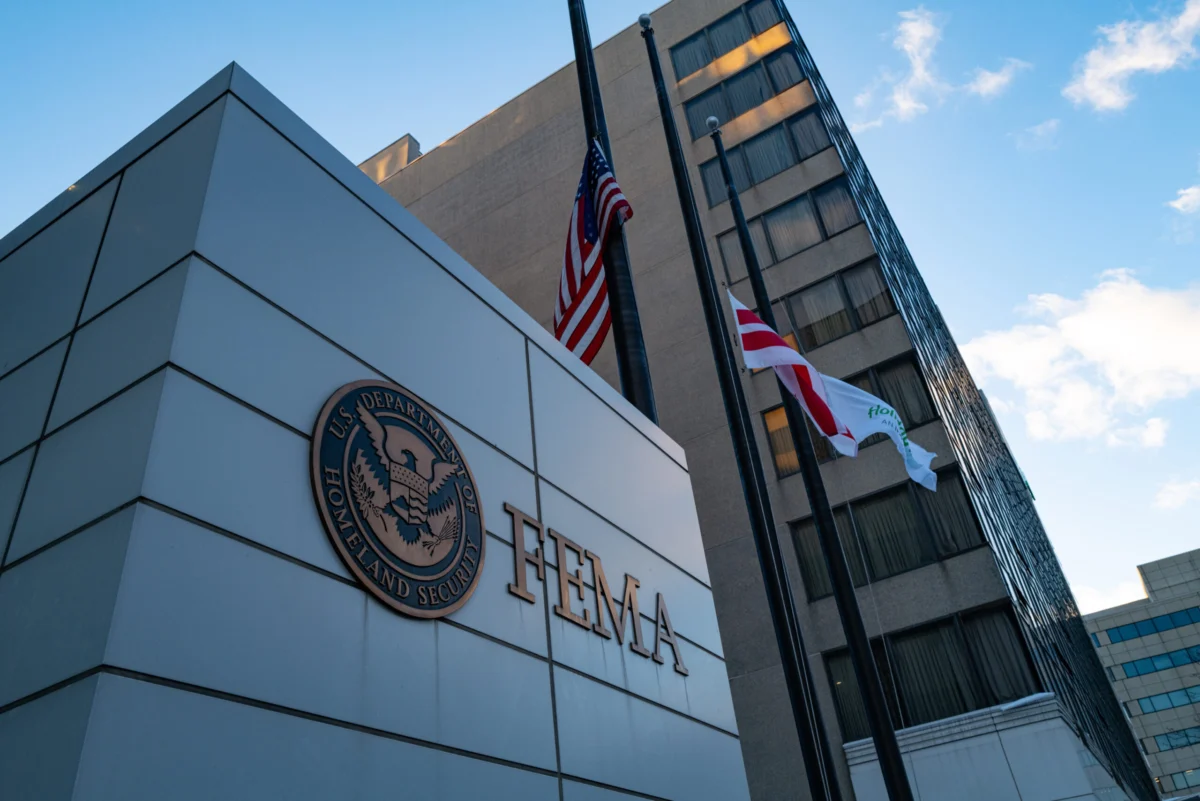
The Federal Emergency Management Agency has officially announced the launch of a streamlined new digital tool designed to make it significantly easier for property owners to purchase flood insurance through the National Flood Insurance Program. The newly introduced online option, which is now live and accessible at floodsmart.gov, represents a major technological update for the federal program. It is available to residents living across nearly 22,700 participating NFIP communities nationwide, opening up a more direct pathway for individuals seeking to safeguard their homes and financial assets against the devastating impacts of rising waters.
The rollout of this digital sales portal comes at a critical time for property owners navigating complex insurance requirements and escalating climate-related risks. By modernizing the acquisition process, federal emergency management officials hope to bridge a persistent coverage gap that has left millions of American properties vulnerable to severe weather events.
"We are making it easier for people to reduce their financial risk and protect what they’ve spent their lives building," said FEMA Administrator Cameron Hamilton in an official statement released on October 20. Highlighting the speed and efficiency of the newly deployed software, Hamilton added, "With this new digital tool, you can get a quote and buy a flood insurance policy in a matter of minutes."
Under the newly established system, homeowners can secure a comprehensive, free quote by navigating to the designated website and inputting specific property characteristics. The required information includes the property address, foundation type, construction type, building elevation, and the precise physical location of heating, ventilation, and air conditioning systems. Once these details are processed by the platform, customers are presented with immediate options. They can finalize their purchase entirely online through the digital portal or take the generated quote to an independent insurance professional.
Furthermore, to assist consumers who prefer personalized guidance or wish to consult an expert before making a final financial commitment, the portal features a localized directory. It is capable of providing immediate contact information for three licensed insurance agents operating within the customer’s specific home state. This hybrid approach ensures that while the process is modernized for digital-first users, traditional avenues of support remain readily accessible.
The introduction of the portal arrives against the backdrop of significant legislative milestones and looming deadlines for the federal program itself. The National Flood Insurance Program has frequently faced short-term extensions and congressional debates regarding its long-term financial stability and operational scope. Notably, the program’s legislative authority has faced recurrent expiration warnings, including a scheduled expiration deadline set for December, which routinely underscores the urgent need for structural and administrative reforms within the federal framework.
Insurance industry experts and regulatory analysts frequently emphasize that standard homeowners and renters insurance policies do not cover damage resulting from floods. This exclusion catches many property owners by surprise following major storms or overflowing rivers. Consequently, homeowners who carry federally backed mortgages and reside within a designated high-risk flood zone are strictly mandated by federal regulations to maintain active flood insurance coverage.
Coverage of this nature is obtainable through the federal government via the NFIP, which is directly administered by FEMA, or through a growing array of private insurance market providers who offer alternative or supplemental coverage. For policyholders utilizing the federal program, standard NFIP policies provide financial protection up to $250,000 for the physical structure of the home itself, alongside up to $100,000 in coverage dedicated to personal possessions and interior contents.
Despite the availability of these policies and the mandatory requirements tied to federally backed mortgages in high-risk zones, participation rates across the United States remain remarkably low relative to the actual level of physical exposure. A recent comprehensive report published by the Government Accountability Office revealed a striking vulnerability gap, noting that as of April 2026, an estimated 86 percent of properties deemed at risk for flooding do not possess active NFIP coverage.
Long-term federal data further illustrates a contraction in the program’s footprint over the past decade and a half. The total number of active NFIP policies experienced a noticeable decline, dropping from approximately 5.5 million policies in 2010 down to 4.5 million policies by 2026. While the emergence and expansion of private market flood insurance providers have successfully offset a portion of this decline, millions of homes remain completely uninsured against rising waters.
According to the Government Accountability Office, a significant portion of this uninsured, at-risk property pool persists because traditional FEMA flood maps and risk designations do not fully account for all contemporary hydrological threats. In particular, older mapping methodologies and zone definitions often fail to capture localized severe flood risks triggered by intense, localized heavy rainfall and rapid stormwater accumulation, rather than overflowing coastal tides or major riverine floods. By pairing modernized digital purchasing tools with broader awareness initiatives, federal officials aim to encourage broader voluntary participation among homeowners who may sit outside officially designated high-risk zones but remain vulnerable to localized precipitation events.
| Source | : | Finance Poetry |
| Author | : | rifanmuazin |
| Editor | : | Finance Poetry Editorial Team |