
Federal Push for Manufactured Housing Collides With Strict Local Zoning Hurdles
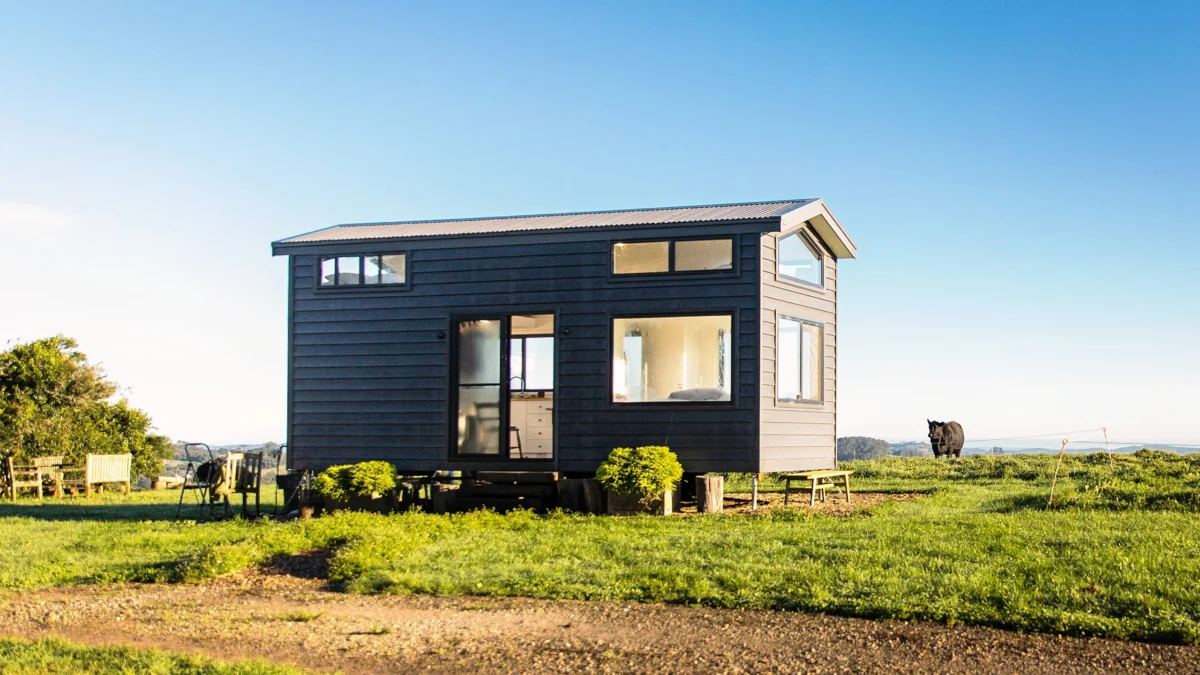
The federal government has set its sights on supercharging the manufactured housing sector as a key strategy to drive down the surging cost of living and tackle the nation’s ongoing housing affordability crisis. By encouraging new design innovations, modern construction techniques, and streamlined financing, policymakers hope to make homeownership attainable for a broader segment of the American public.
And yet, only a fraction of the country could actually see the benefit under current regulatory rules. Just 17% of the nation is zoned to explicitly allow manufactured housing communities, according to the latest Realtor.com report on the sector. This stark mismatch between federal ambition and local land-use restriction highlights the primary bottleneck facing the industry today.
If this widespread zoning hurdle were put aside, some cities could see major benefits from allowing more manufactured housing, Realtor.com found. Manufactured housing is currently booming in select cities, and the federal government has aggressively pushed regulatory changes to make these homes easier to build and finance.
The momentum behind these policy shifts reached a new high when President Donald Trump signed an executive order creating a federal task force dedicated to accelerating manufactured housing development. This executive action came on the heels of legislative momentum in Congress, which codified sweeping changes to the sector through the 21st Century Road to Housing Act.
Despite these coordinated federal actions, Realtor.com senior economist Joel Berner notes that municipalities ultimately retain the final say over where and how homes can be built within their borders.
"The federal government can build on the innovations of the Road Act, bringing clarity to what can be accomplished by the removal of the chassis requirement and the design flexibility that opens up," Berner says.
The Big Hurdles
Industry leaders have widely lauded the Road to Housing Act because it removed the long-standing requirement that manufactured homes be built on a permanent steel chassis. Because the vast majority of manufactured homes never leave their original installation site, eliminating this mandatory frame saves approximately $10,000 in direct construction costs per unit.
Beyond reducing expenses, removing the chassis requirement allows homes to be designed in entirely new ways. This design freedom was prominently on display at the Department of Housing and Urban Development’s housing showcase on the National Mall. Innovators at the event utilized this flexibility to showcase homes capable of being delivered efficiently on a flatbed truck or even 3D printed within a matter of hours.
Because manufactured housing can be constructed quickly and cost-effectively, it offers a viable method to create a new generation of starter homes. These properties are particularly vital for younger people and first-time buyers who have been squeezed out of the traditional housing market. As starter homes make up a smaller share of properties for sale than they did before the COVID-19 pandemic, the industry has watched acquisition and construction costs rise significantly.
With actions now originating from Congress, HUD, and the White House, the intergovernmental coordination is encouraging, according to Berner.
"The most helpful component of the order is probably getting HUD and FHFA at the same table to coordinate developments in manufactured housing," Berner says, referring to the Federal Housing Finance Agency.
"HUD controls the product, while FHFA controls much of the financing, and it will be necessary for both components to develop in sync to make major headway for manufactured housing rather than the two agencies getting in each others’ way," he explains.
However, Berner also emphasizes that public perception remains a formidable hurdle to overcome. Without the traditional steel chassis and bulky appearance of older models, some of the newest manufactured homes look remarkably similar to conventional stick-built single-family houses.
"The hope is that the ‘trailer home’ stigma erodes over time as high-quality, attractive manufactured homes become more common," Berner says.
Where Could Changes Make the Most Impact?
To identify where newly enabled manufactured housing could make the most significant difference, Realtor.com created a specialized ranking system. The analysis evaluated the top 100 housing markets based on their existing share of starter homes, median land price per acre, and the cost premium associated with new construction. The resulting list highlights regions where starter housing inventory is severely depleted and where traditional building methods face steep economic barriers.
The housing market that ranked number one on the list was Hartford, Connecticut, which exhibits a substantial premium on both land and new construction. Other major metropolitan areas rounding out the top five included Denver; Allentown, Pennsylvania; Albuquerque, New Mexico; and Colorado Springs, Colorado.
A majority of the metropolitan areas that face the most acute shortages of starter homes are located in New England and tend to be smaller in overall size. In most of these cases, the elevated cost premium for building new housing creates an immense barrier for entry-level buyers. At the same time, a number of these cities maintain local zoning restrictions that actively bar manufactured homes from being established.
Despite these entrenched local barriers, some regional signs point to an emerging appetite for regulatory change. In Virginia, Governor Abigail Spanberger moved to legalize manufactured housing statewide in areas that already permit traditionally built single-family homes, opening up new pathways for residential development.
Meanwhile, in New York—which is home to three of the top ten cities on the Realtor.com ranking—Governor Kathy Hochul announced a $20 million state investment aimed at developing factory-built housing across several regions.
Governor Hochul stated that harnessing the benefits of factory-built technology could bring modern, affordable single-family homes to the housing market more quickly and in more regions than ever before. As state leaders and federal officials continue to align their strategies, the future of manufactured housing hinges on whether local municipalities will adapt their zoning codes to meet the pressing demand for affordable homes.
| Source | : | Finance Poetry |
| Author | : | rifanmuazin |
| Editor | : | Finance Poetry Editorial Team |