
Southwest Airlines cuts 2026 profit forecast on higher fuel
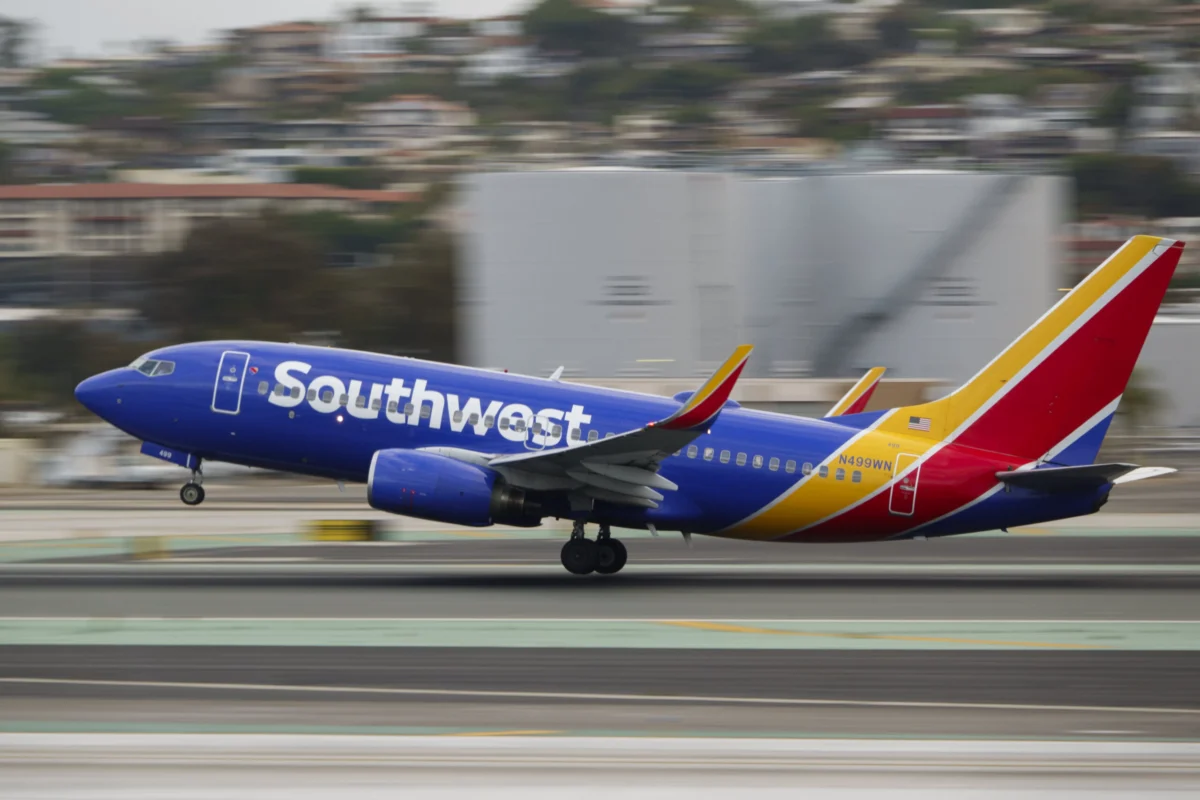
The carrier now expects to earn between $2.60 and $2.85 per share on an adjusted basis for the year. This latest projection represents a significant reduction from the company’s previous guidance issued in July, when Southwest anticipated adjusted earnings ranging from $3.25 to as high as $4.25 per share. The adjustment reflects the mounting financial pressure that rising energy expenses are placing on commercial aviation operators across the country, a challenge that is rippling through the broader airline sector.
Looking ahead to the final stretch of the year, Southwest forecasted per-share adjusted earnings of between 55 cents and 80 cents for the fourth quarter. The airline also projected that unit revenue—a key industry metric used to gauge airfare pricing power—could increase by as much as 21% compared to the same period a year earlier. Furthermore, the carrier outlined plans to grow its overall capacity by up to 4% year over year as it seeks to capture additional market share during the busy upcoming travel periods.
"Demand remained strong as we lapped last year’s bag fee and other commercial initiatives, reinforcing our belief that the earnings power we’ve built is durable, even with significantly higher fuel costs," CEO Bob Jordan said in an official earnings release detailing the company’s quarterly performance.
Financial metrics from the third quarter underscore the shifting dynamics within Southwest’s operations. The airline reported that its average passenger fare climbed to $231.69 during the quarter, representing an increase of nearly 27% compared to the third quarter of the previous year. A company spokesman clarified that this average fare figure excludes various add-on fees that passengers may incur during the booking process. Concurrently, the total number of revenue passengers carried by the airline declined by 3.2% to 33.47 million people, a shift that aligns with higher ticket prices and the implementation of new ancillary fees designed to boost per-passenger revenue.
Despite the modest dip in passenger volume, Jordan pushed back against any narrative suggesting consumer fatigue during an interview with CNBC’s Phil LeBeau. The airline chief executive asserted that demand was exceptionally robust across every geographical region and across all product categories offered by the carrier.

"The consumer is incredibly strong and we do not see that abating," Jordan told CNBC. "We’re seeing strength in both the holiday period and the non-holiday period."
The financial results arrive as Southwest navigates a period of profound operational and strategic transition. Under intense pressure from investors and market conditions to continually grow revenue and maximize profitability, the airline has spent the past several years systematically dismantling its longtime, highly distinct business model. For decades, Southwest stood apart from major U.S. competitors by maintaining traveler-friendly policies such as allowing two free checked bags per passenger and utilizing an open seating arrangement without assigned boarding passes.
In a decisive break from that legacy, Southwest has rolled out significant structural changes. The carrier has started charging passengers for many seat assignments and implemented a checked bag fee, bringing its operational framework much closer to the traditional models utilized by major legacy competitors. These commercial initiatives are designed to unlock new streams of ancillary revenue, helping to offset the volatile and elevated costs of jet fuel that have squeezed profit margins across the industry.
For the third quarter, these commercial adjustments, combined with higher ticket prices, helped Southwest deliver a stronger bottom line. The airline posted a net income of $270 million, or 55 cents per share, representing a substantial improvement from the $54 million, or 10 cents per share, recorded during the same period a year earlier. Total operating revenue rose by more than 21% to reach $8.42 billion. When adjusting for one-time, non-recurring items, Southwest reported earnings of 66 cents per share for the quarter, reflecting solid operational execution amidst a challenging macroeconomic environment.
Southwest’s decision to lower its profit guidance echoes similar moves made by other major U.S. carriers facing the same commodity cost pressures. Both Delta Air Lines and United Airlines also reduced their profit outlooks for the remainder of the year when they released their respective third-quarter earnings reports. Furthermore, both Delta and United reported top- and bottom-line misses for the third quarter, highlighting the widespread nature of the financial headwinds currently affecting the domestic airline industry as carriers balance higher operational expenses with shifting consumer spending patterns.
| Source | : | Finance Poetry |
| Author | : | rifanmuazin |
| Editor | : | Finance Poetry Editorial Team |