
Simplicity is the New Sophistication: Meet the 2026 Rising Stars of Wealth Management
As the wealth management industry faces a seismic demographic shift, a new generation of advisors under the age of 40 is emerging as the vanguard of a fundamental transformation. In an era where artificial intelligence can instantly retrieve tax data or generate portfolio models, the true competitive advantage for these "Rising Stars" is not technical prowess alone, but the ability to translate profound complexity into clear, actionable, and human-centered advice.
According to the 2026 InvestmentNews Rising Stars report, the most successful young wealth managers are those who have mastered the art of "plain-spoken" communication. In an industry historically crowded with jargon and exclusionary acronyms, these leaders are building their reputations on trust, transparency, and the deliberate simplification of the financial experience.

The Looming Demographic Cliff
The urgency behind this evolution is driven by a stark reality: the financial advisory sector is barreling toward a significant demographic cliff. Data from Cerulli Associates’ The Cerulli Edge – U.S. Advisor Edition, 3Q 2026 highlights that more than one-third of all financial advisors plan to retire within the next decade. Perhaps more concerning for the industry is that 27 percent of these retiring professionals—representing roughly $4 trillion in assets—lack a formal succession plan.

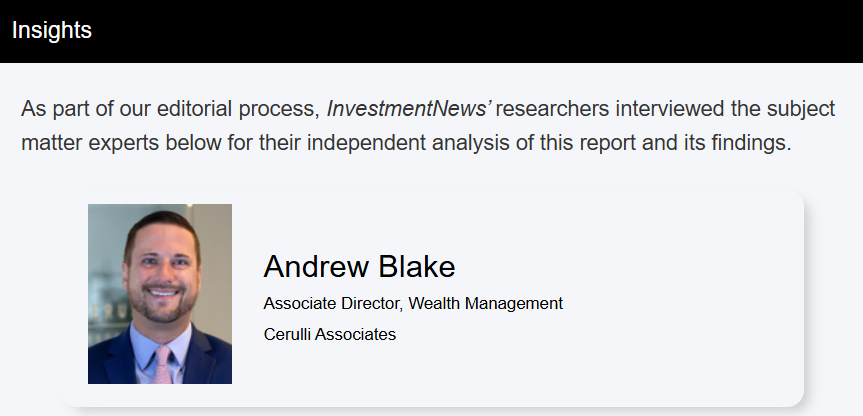
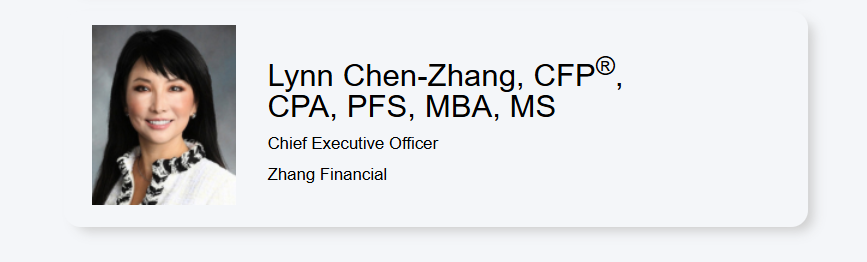
This "succession gap" presents a dual-sided challenge. For the industry, it is a risk to institutional continuity; for the next generation of advisors, it is an unprecedented opportunity to inherit client relationships. However, the veterans of the industry are clear: this inheritance is never automatic. As Lynn Chen-Zhang, CEO of Zhang Financial, notes, clients do not simply transfer their trust from one generation to the next based on a business card. The younger advisor must actively demonstrate leadership, professional judgment, and a genuine, empathetic connection to the client’s life goals.
The Human Element in the Age of AI
While the adoption of artificial intelligence continues to reshape the landscape—with 85 percent of advisors now utilizing AI-integrated solutions to improve efficiency—there is a growing consensus that technology cannot replace the fiduciary role. Independent research from Morning Consult, conducted for Edward Jones, found that while 69 percent of advisors believe AI has a positive impact on the industry, 68 percent maintain that long-term client trust remains a strictly human domain.
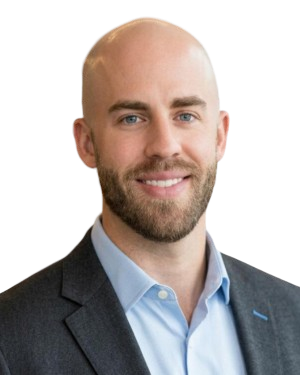
The Rising Stars of 2026 are using AI as a tool to accelerate research and streamline back-office operations, but they remain highly skeptical of relying on it for high-stakes, client-facing advice. Matt Stephens, president and senior wealth advisor at Willow Chute Financial, highlights this by sharing a personal experience where an AI tool provided an outdated IRS contribution limit. For Stephens and his peers, AI serves as an accelerant, not a replacement for the rigorous, human-led validation of financial strategies.
Leaders Defining the Future
Among those recognized in this year’s report, three leaders exemplify the different ways this generation is securing the future of the profession.

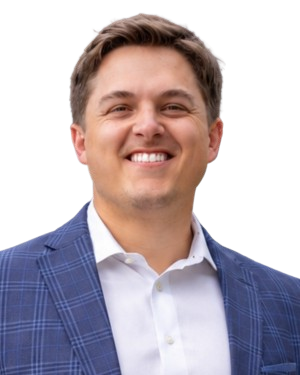
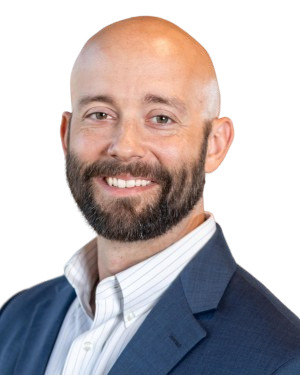
Charles Heuring, the 35-year-old president and CEO of IAMS Wealth Management, has taken a "silent engine" approach. By positioning his firm as a back-office platform that empowers 50 independent advisors to own their individual brands, Heuring has successfully scaled his business to oversee $500 million in assets. Heuring’s philosophy is rooted in a purposeful, slow-growth strategy that prioritizes culture over rapid expansion. He acknowledges that the role can be isolating, but notes that the recognition as a Rising Star validates his commitment to building a sustainable infrastructure that supports others rather than seeking personal notoriety.
In Columbus, Ohio, Alexander Reed, the 35-year-old Chief Investment Officer of Envisage Wealth, is tackling the challenge from an investment strategy perspective. Reed views AI as a tool that raises the bar for expertise rather than lowering it. His work in leading the due diligence for a $1.5 billion AUM acquisition has positioned his firm to hit a $10 billion target by 2031. For Reed, the role of an advisor is to serve as a "behavioral coach" who helps clients filter out the noise of the financial media and stay focused on their long-term objectives. He argues that in a world of abundant information, the advisor’s true value lies in their ability to provide objective perspective and maintain an even-keeled temperament.
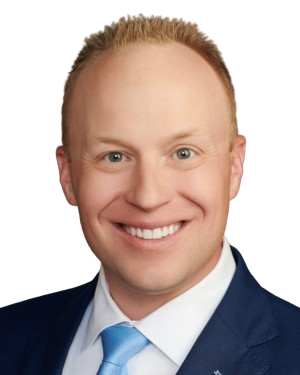
Meanwhile, Matt Stephens of Willow Chute Financial in Louisiana brings a unique background as an Army reservist to his practice. Stephens emphasizes the importance of understanding the non-numerical factors that drive a client’s anxiety. He notes that clients rarely think in terms of complex financial models; they think in terms of their life savings and their security. By using advanced software to stress-test his recommendations behind the scenes, Stephens ensures that when he speaks to a client, the conversation is centered on clarity and confidence rather than the technical mechanics of the portfolio.
Athletic Discipline and Inclusive Growth
Christian Richards III, co-founder of Richards, Lathrop and Associates, has taken a different path, leveraging his experience as a former Division 1 athlete and NFL prospect to build a firm with no account minimums. Richards, whose firm reached $115 million in AUM within its first seven months, was motivated by his own background in a community where traditional wealth management was largely inaccessible. He believes that by removing barriers to entry and providing the same level of service to small accounts as he does to high-net-worth clients, he is building a more sustainable and equitable firm. For Richards, the "game plan" approach he learned in football translates directly into the financial planning process, where teamwork and preparation are the keys to long-term success.

The Path Forward
The next two years will be a critical test for the wealth management industry. As the retirement wave continues to swell, the ability of this younger generation to bridge the gap between retiring veterans and the future of the client base will be paramount.

The consensus among this year’s Rising Stars is that the future of leadership lies in a combination of high-tech efficiency and high-touch empathy. As firms look to build sustainable succession pathways, they are increasingly favoring leaders who can manage the institutional complexity of AI integration while maintaining the "small office" feel that clients demand.

Ultimately, the 2026 Rising Stars suggest that while the tools of the trade are evolving rapidly, the core of the profession remains unchanged. Whether through institutional platform building, behavioral coaching, or inclusive client service, these advisors are demonstrating that the most effective way to earn trust in a complex world is to make the complicated feel simple and the unfamiliar feel safe. As the industry enters this period of transition, these leaders are not just managing assets; they are actively shaping the future of financial relationships for the decades to come.
| Source | : | Finance Poetry |
| Author | : | rifanmuazin |
| Editor | : | Finance Poetry Editorial Team |