
Boston Hub for Wealth Management: Schwab IMPACT 2026 Convenes Industry Leaders
By James Rogers
October 30, 2026
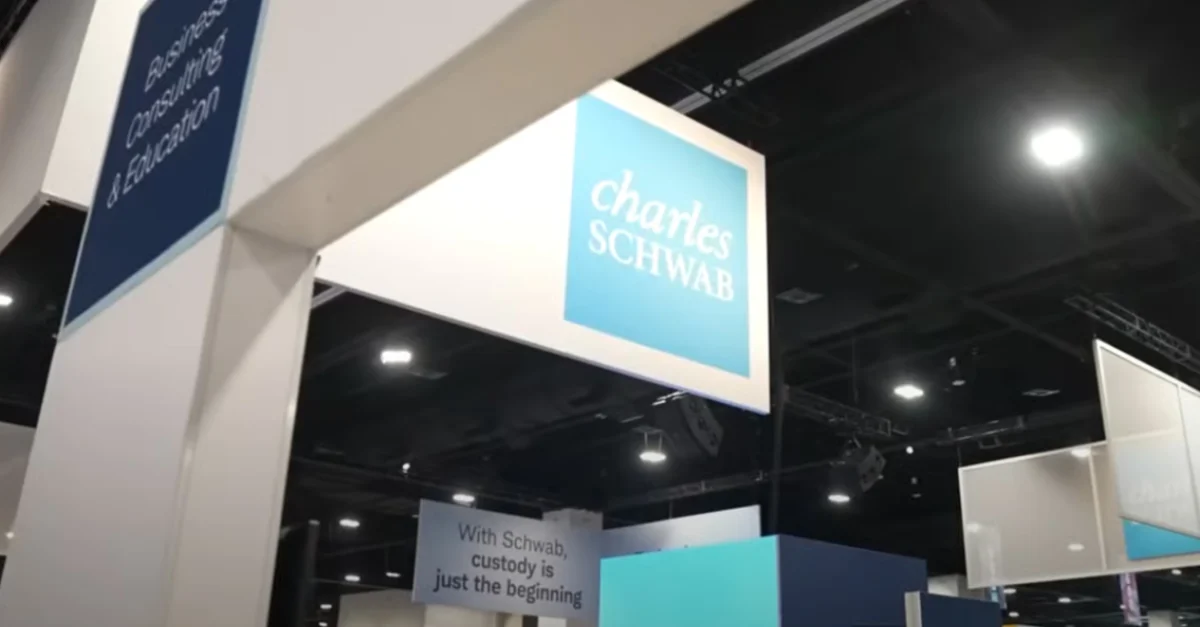
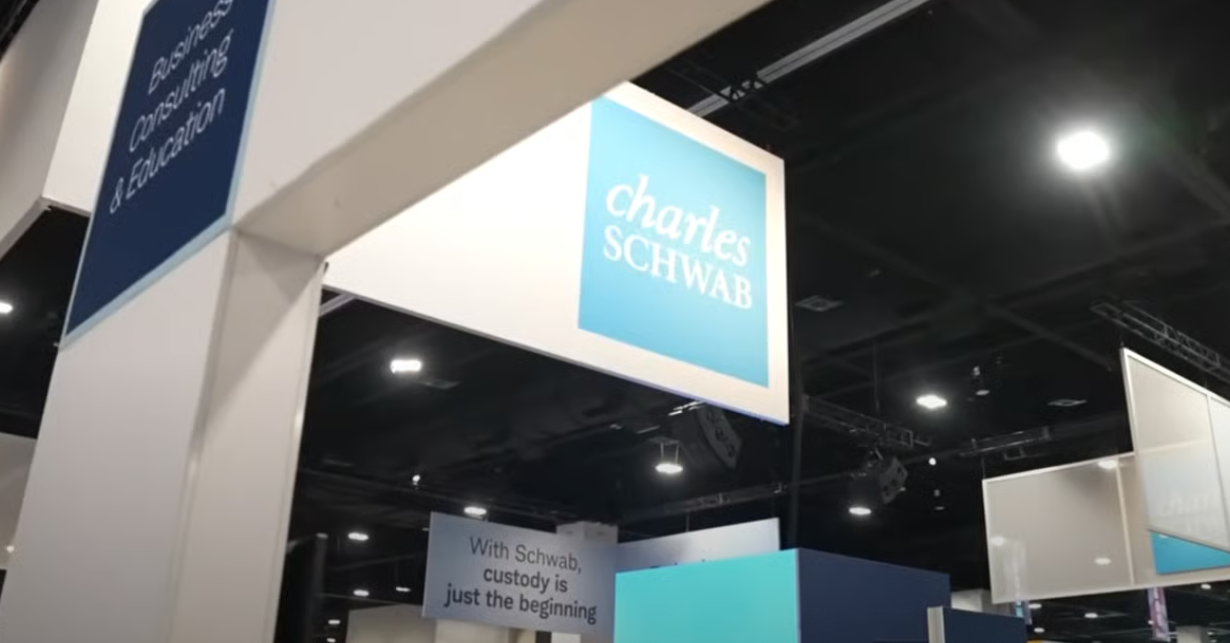
The Thomas M. Menino Convention and Exhibition Center in Boston has transformed into the epicenter of the financial advisory world this week, as thousands of professionals converged for Charles Schwab’s 36th annual IMPACT conference. The event, which has served as a cornerstone of the Registered Investment Advisor (RIA) industry for over three decades, demonstrated its enduring significance with a robust turnout of more than 6,000 attendees. This year’s robust attendance figures underscore a notable growth trajectory for the conference, outpacing the 5,400 industry professionals who gathered in Denver, Colorado, for the 2025 iteration.
As the industry grapples with rapid technological shifts and a shifting regulatory and competitive landscape, the atmosphere in Boston has been one of both urgency and optimism. From the opening sessions to the bustling exhibit halls, the message from leadership and practitioners alike is clear: the demand for high-quality, human-led financial advice is experiencing a “bull market” of its own.
Schwab’s Strategic Vision for the RIA Ecosystem
The leadership at Charles Schwab utilized the IMPACT platform to reinforce their commitment to the independent advisory model. Jon Beatty, head of Schwab Advisor Services, set the tone early in the proceedings by highlighting the unique position of the RIA sector. "This industry has never had a moment to call its own," Beatty remarked, emphasizing the firm’s role in professionalizing the next generation of talent.
A key development announced at the conference was the launch of National RIA Day, an initiative designed to funnel new talent into the advisory profession. By bridging the gap between academia and the workplace, Schwab aims to recruit college students directly into the RIA career path, ensuring the long-term sustainability of the independent model.
Schwab’s leadership also took a firm stance on the evolving role of artificial intelligence in client interactions. CEO Rick Wurster addressed the growing prevalence of "rogue" AI agents—unauthorized digital entities attempting to access consumer financial accounts. In a move to protect clients and maintain the integrity of their platforms, Wurster confirmed that Schwab is actively blocking these unauthorized agents, even as major tech players like OpenAI and Meta continue to push into the consumer finance space with tools like "Dots," "Muse," and "Instinct."
Beyond technology, Schwab’s leadership sought to clarify the firm’s positioning in the wealth management market. Addressing concerns from smaller firms, Wurster explicitly stated that Schwab Wealth Advisory is not competing for new business in a way that threatens independent RIAs. He pledged ongoing support for firms with less than $100 million in assets under management, a commitment that resonates deeply as some other custodians have moved to drop or deprioritize smaller accounts.
Integrating AI: Innovation and Guardrails
While cybersecurity remains a top priority, the practical application of AI within advisory firms was perhaps the most discussed theme of the conference. The focus has shifted from the novelty of AI to its tangible utility in enhancing advisor performance and client outcomes.
Schwab announced a new initiative to lower the barrier to entry for AI adoption, offering a $4,800 credit to help RIAs cover the costs of enterprise seats for Claude, the advanced AI model. Alison Dooher, head of AI for Schwab Advisor Services, explained that the intent behind this credit is to ensure that smaller firms can access cutting-edge tools without facing a prohibitive cost burden. "The intention of the credit is to really help smaller firms ensure that the cost for the 20 seats becomes kind of net neutral for them," Dooher stated.
The partnership between advisory firms and AI developers is expanding rapidly. Anthropic, the developer behind Claude, has seen its reach extend significantly within the industry. Michael Camp, representing 55ip, noted that the industry is in a learning phase, focused on how to translate these technological advancements into better outcomes for clients. Asset manager Invesco also highlighted its recent partnership with Anthropic, projecting that the collaboration will play a crucial role in streamlining advisor referral efforts and improving overall practice efficiency.
However, industry experts are cautioning against a blind reliance on technology. Andrei Pop, CEO of Humanity Labs, provided a sobering reminder during one of the sessions: "A better tool does not on its own make a better outcome." The consensus among many at the conference is that the most successful firms will be those that integrate AI as a supplement to, rather than a replacement for, the human element of advisory relationships. Brock Sutton of Capital Group echoed this sentiment, noting that while most advisors are experimenting with AI, very few are currently utilizing these tools to their full capacity.
Market Trends and Practice Management
The conversations in Boston extended well beyond technology, touching on the fundamental shifts in how firms grow, manage taxes, and navigate the M&A environment.
The trend toward the independent RIA model continues to accelerate. Trey Prescott of Advisory Services Network noted that the pace of advisors transitioning to the RIA model is quickening, driven by a desire for greater autonomy and the ability to provide more comprehensive services. As firms seek to scale, M&A activity is expected to reach new heights. Eric Godes of FP Transitions suggested that the market is seeing an escalation in M&A deals, with 2026 potentially becoming a record-breaking year for consolidation.
Growth strategies for firms are also becoming increasingly sophisticated. T. Rowe Price is ramping up its efforts to tap into the growing advisor demand for alternative investments, according to Bill Cashel, head of alternatives for U.S. wealth. Similarly, TCW is seeing significant traction with its private asset income fund, reflecting a broader industry push to offer clients access to non-traditional assets.
Educational sessions throughout the conference focused on the intersection of tax planning and investment management. Dave Wahlen of Merit Financial Advisors emphasized that "there is an increasing need for tax expertise" in modern practice management, a sentiment shared by many attendees who are looking to offer more value-added services to their clients. Other institutional players, such as Franklin Templeton, are also aligning their resources to meet this demand, with Dan Muzzarelli noting the company’s recent expansion of its RIA distribution team to focus on ETFs, alternatives, and direct indexing.
As the conference continues, the energy in Boston remains high. From the bustling floor of the exhibition center to the intimate panel discussions, the focus remains on the future of the profession. Whether it is through the integration of AI, the focus on alternative assets, or the strategic expansion of firm capabilities, the message from Schwab IMPACT 2026 is clear: the independent advisory industry is evolving, and it is doing so with a clear sense of purpose.
For those on the ground, the event serves as a vital touchpoint. As InvestmentNews reporters have observed on the floor, the mix of veteran advisors and newcomers provides a unique cross-section of the industry’s current state. The blend of high-level strategic guidance from leadership and the practical, day-to-day operational advice shared among peers ensures that the 36th annual IMPACT remains an essential gathering for the wealth management community.
| Source | : | Finance Poetry |
| Author | : | rifanmuazin |
| Editor | : | Finance Poetry Editorial Team |