
Democrats Signal Crackdown on AI Infrastructure and Data Centers Following Midterm Success
Following a strong performance in the U.S. midterm elections, congressional Democrats and newly elected state officials are already signaling an aggressive legislative push against the rapid build-up of artificial intelligence infrastructure, with a particular focus on high-power data centers.
The political shift comes in the wake of election night victories where local referendums across the United States saw voters approve various restrictions on data center construction. Prominent progressive lawmakers took to social media immediately following the election results to amplify voter sentiment and call for immediate federal policy interventions.
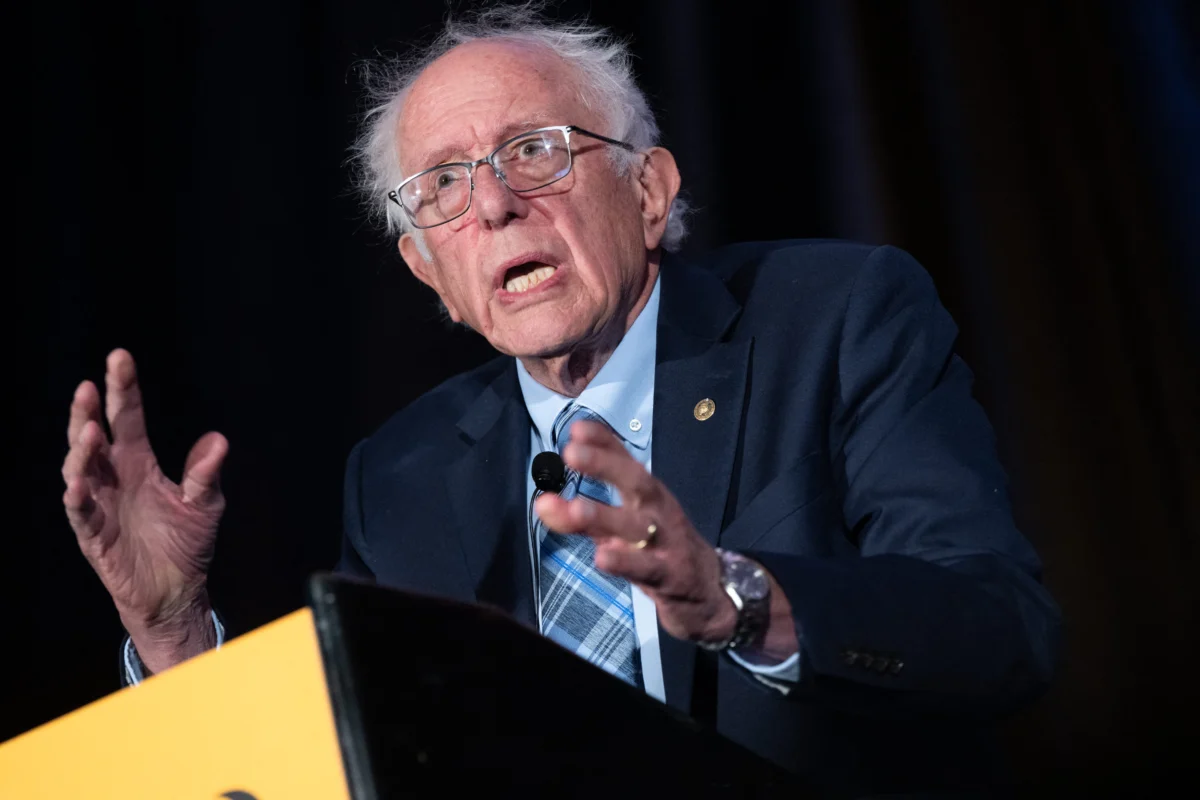
Writing in a post on X, Senator Bernie Sanders, I-Vt., pointed directly to the successful local ballot measures as proof that the political message from the electorate is unmistakable. Sanders, who caucuses with the Democratic party, called for swift and decisive national action to curb the unchecked expansion of tech infrastructure.
"National data center moratorium now," Sanders wrote in the post. "Americans don’t want Big Tech oligarchs wrecking the environment, gutting jobs and threatening humanity’s future."
The sentiment was echoed in the House of Representatives, where newly empowered Democratic leadership is facing pressure to make infrastructure controls a central legislative priority. Representative Yassamin Ansari, D-Ariz., wrote on X that pausing AI development needs to be a top legislative priority for the large Democratic majority in the House on Day 1. Representative Greg Casar, D-Texas, the chair of the Congressional Progressive Caucus, amplified Ansari’s post, adding his immediate endorsement.
The political backlash against big tech expansion appears to be deeply rooted in voter concerns. According to the CNBC Voter Poll, 56% of voters said artificial intelligence and data centers were a crucial or major factor in their decision at the ballot box. Of those voters who identified the technology build-out as a primary voting issue, an overwhelming 65% indicated they cast a ballot for a Democratic candidate for Congress.
Wall Street has quickly taken notice of the shifting political winds. Stocks linked to the artificial intelligence build-out declined slightly on Wednesday in the immediate wake of the election, but the selling intensified sharply as investors realized that Democratic legislative victories could have a tangible, immediate impact on future data center construction and energy consumption.
Chip stocks led the broad market decline. The iShares Semiconductor ETF tumbled nearly 9% during the week’s trading sessions, reflecting profound anxiety among investors over potential regulatory roadblocks. Major hardware players bore the brunt of the market reaction, with shares of Nvidia declining 8%, while Advanced Micro Devices sunk more than 14% amid broader sector liquidations.
The political vulnerability of pro-infrastructure candidates was further highlighted by several high-profile races where Democratic challengers flipped critical seats by making big tech and data centers a central campaign issue.
In South Carolina, Democrat Annie Andrews successfully flipped a key Senate seat after running a campaign that heavily targeted her opponent’s stance on tech development. During the race, Andrews launched a campaign website that branded her incumbent opponent, Senator Darline Graham, with the moniker "data center Darline."
In her victory speech on Tuesday night, Andrews underscored the local nature of the pushback against national technology interests. She told supporters that voters chose a South Carolina "where decisions about communities are made by the people who live in our communities, not the billionaires or data center companies in Washington D.C."
Similarly, in Ohio, veteran Democrat Sherrod Brown secured a return to the Senate after defeating incumbent Republican Senator Jon Husted. Brown leaned heavily into populist themes during his campaign and explicitly referenced his independence from corporate technology interests during his victory address, telling supporters, "I do not work for data centers."
Democratic governors who secured victories or maintained power on Tuesday also took direct aim at the rapid proliferation of data centers in their states. Pennsylvania Governor Josh Shapiro, who had previously signed an executive order in August aimed at slowing down unregulated data center development, used his victory speech to argue that major technology corporations should not be allowed to dictate the futures of local residents. Shapiro emphasized that the final say on such critical land and resource use must rest squarely with the people living in those local communities.
Perhaps the most consequential battleground for the future of the data center build-out is Texas. According to data from Wells Fargo, Texas currently accounts for an astonishing 27% of all planned data center capacity in the United States, making it the epicenter of the nation’s AI infrastructure boom.
Gina Hinojosa, the Democrat who ousted incumbent Republican Governor Greg Abbott in a closely watched race, made data center regulation a cornerstone of her campaign platform. While she did not explicitly center the infrastructure debate in her immediate victory speech, her campaign had heavily relied on the issue to rally voters concerned about strain on the state’s power grid and natural resources.
In a campaign video posted to her X account in late October, Hinojosa laid out a strict regulatory vision for her potential administration. "When I am governor, I will issue a moratorium, a ban, on all data center approvals until laws can be passed by the legislature to protect Texans," she stated in the video message. "This is about one fight. Is this going to be a Texas that is by and for the people, or is this the billionaire’s world and we just live here? Data centers are part of that fight."
| Source | : | Finance Poetry |
| Author | : | rifanmuazin |
| Editor | : | Finance Poetry Editorial Team |