
Wall Street Reels as Tech Stocks Plunge Amid Midterm Election Fallout, AI Infrastructure Concerns, and Global Memory Shortage
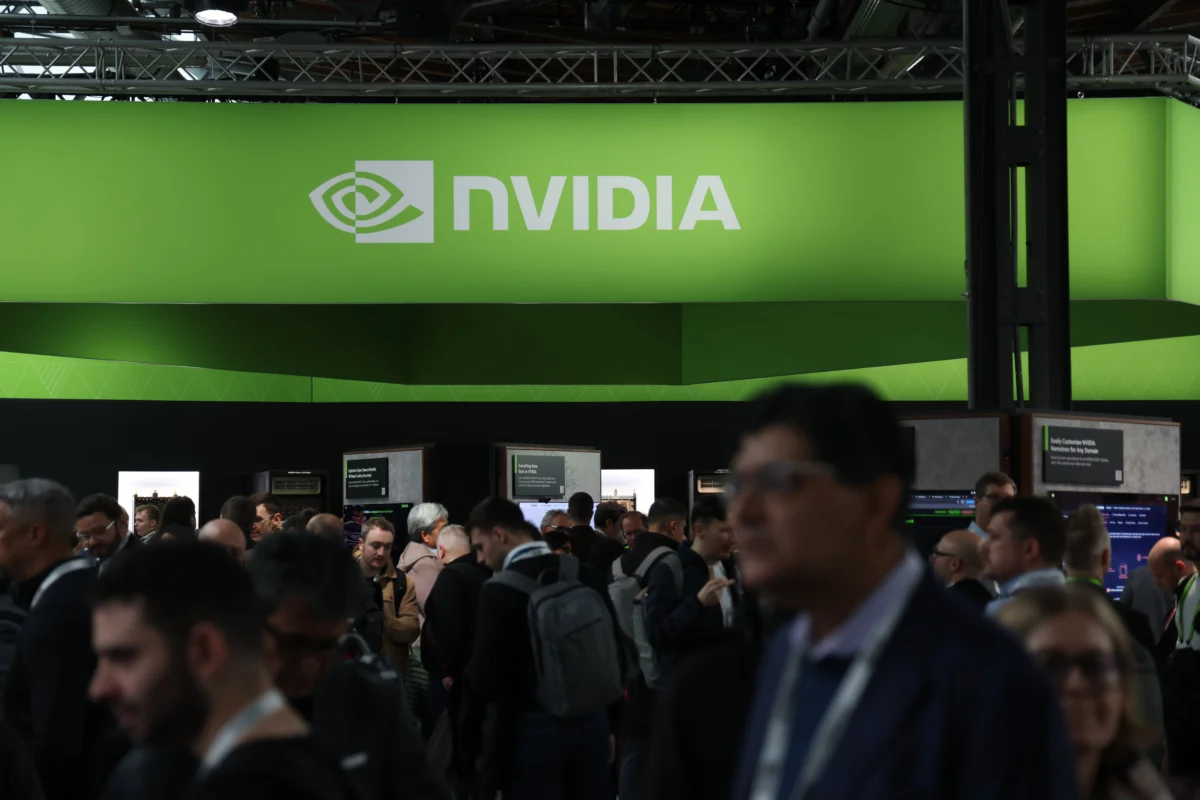
Chipmakers and artificial intelligence infrastructure stocks suffered a brutal sell-off on Thursday, sending the Nasdaq plunging to its worst single-day performance in 19 months. The market rout was triggered by a compounding mix of political shifts resulting from the recent midterm elections, mounting worries over the long-term sustainability of the artificial intelligence capital expenditure buildout, and severe supply chain constraints across the global hardware sector.
Nvidia led the downward spiral, dropping more than 9% and shedding nearly $450 billion in market capitalization in a single session. The massive sell-off dragged the broader tech-heavy Nasdaq down by 5.5%, marking its steepest slide since April 2025. The environment has deteriorated rapidly for companies intimately tied to AI infrastructure. Investors are increasingly spooked by a volatile cocktail of rising interest rates, ballooning capital requirements, and the Democratic sweep in Congress. These factors have amplified fears on Wall Street that wide swaths of the technology market are on the verge of being weighed down by excessive debt burdens while failing to generate sufficient revenue to justify astronomical spending levels.
The technology itself remains on a path of ongoing development, but market behavior is increasingly dictated by the physical and financial realities of its implementation. Peter Boockvar, chief investment officer at OnePoint BFG Wealth Partners, noted in an interview with CNBC’s "Squawk on the Street" that while the underlying tech will continue to evolve, the actual pace of development, building, and infrastructure deployment is where market trades are currently taking place. If the physical buildout hits speed bumps, stock valuations will react accordingly.
The carnage was widespread across the semiconductor industry. Advanced Micro Devices, Micron, and Applied Materials all suffered double-digit percentage losses on Thursday. Qualcomm contributed significantly to the broader sector sell-off after issuing a disappointing earnings forecast for the current quarter, with its stock similarly tumbling more than 9%. Even prominent figures outside the pure-play semiconductor space felt the heat. Elon Musk, who poured hundreds of millions of dollars into supporting Republican candidates in Texas and other key battlegrounds during the midterms, watched shares of his public companies, SpaceX and Tesla, each drop by more than 9% as the political landscape shifted.
The immediate catalyst for the renewed skepticism on Wall Street stems directly from Tuesday’s midterm election outcomes. States harboring the most ambitious AI data center development pipelines unexpectedly turned blue. Democrats secured critical gubernatorial and Senate contests in Texas and Ohio, while also capturing a crucial gubernatorial victory in Georgia, where Democratic Senator Jon Ossoff cruised to a comfortable reelection.
Beyond high-profile political races, local ballot measures played a pivotal role in souring sentiment. According to data tracked by Ballotpedia, there were 41 local ballot measures across 10 states up for a vote on Tuesday that aimed to place various restrictions on the construction and operation of data centers. Voters ultimately sided against data center projects in every single measure except for one in Harwood, North Dakota, highlighting a growing grassroots resistance to the massive physical footprint, energy demands, and water consumption associated with the AI boom.
The political headwinds were underscored late Wednesday night at the Wall Street Journal Tech conference. Meta President Dina Powell McCormick told the audience that constructing new data centers is inevitably "going to be harder" in the wake of the midterm results. However, she also pointed to the complex economic realities local leaders face, noting that one of the victorious governors had privately remarked that officials want to meet immediately following the upcoming presidential inauguration to ensure their towns do not miss out on vital investments and high-paying jobs.

Meta, alongside its fellow hyperscaler peers including Alphabet, Amazon, and Microsoft, has laid out an exceptionally aggressive path for infrastructure development. Their combined spending plans extend well past $100 billion annually. Despite this massive capital allocation, financial pressures are mounting. Meta officially went free cash flow negative in the latest quarter, following in the footsteps of Alphabet and Amazon, both of which turned negative in the prior reporting period. In tandem with the broader market sell-off, each of the major hyperscalers saw their shares decline between 2% and 4% on Thursday.
The political and regulatory hurdles arrive at a time when chipmakers are already grappling with severe operational bottlenecks. On Wednesday, Qualcomm became the latest semiconductor giant to report booming growth in its data center business, though the unit remains a relatively modest piece of the company’s overall portfolio. Qualcomm brought in $650 million in data center revenue during the quarter, driven primarily by customized silicon and networking connectivity work.
Qualcomm CEO Cristiano Amon acknowledged the strong underlying demand during an interview with CNBC, emphasizing that the company’s primary constraint is not a lack of customer interest, but rather an acute shortage of physical components. Amon noted that if more supply were available, the company’s financial performance would be even stronger.
The underlying problem for Qualcomm, alongside industry competitors like Intel and Advanced Micro Devices, is that a persistent global memory shortage is aggressively driving up component prices. This scarcity is making it increasingly difficult to secure vital raw supplies while simultaneously fueling surging prices for everyday consumer electronic devices.
The structural tension between booming top-line revenue and supply-constrained forecasting was evident throughout the earnings season. Intel reported a massive 78% jump in data center revenue, yet its stock was heavily punished by Wall Street due to a weaker-than-expected forward outlook dictated by the memory shortage. Similarly, AMD reported that sales in its data center division more than doubled during the latest period, yet investors chose to look past the impressive headline figures.
Market participants are increasingly questioning the long-term sustainability of this meteoric growth and whether the ultimate corporate buyers of these expensive technologies will be able to monetize them effectively. Neocloud providers, such as CoreWeave, absorbed heavy punishment, tumbling for the second consecutive trading session as sentiment curdled.
Richard Clode, a portfolio manager at Janus Henderson, appeared on "Squawk on the Street" to address the psychological shift sweeping through institutional investors. He warned that the market’s knee-jerk reaction could easily translate into temporary project delays and heightened caution across the corporate landscape, noting that definitive answers to these structural questions will not emerge anytime soon.
| Source | : | Finance Poetry |
| Author | : | rifanmuazin |
| Editor | : | Finance Poetry Editorial Team |