
Autumn Budget 2026: What to Expect as Chancellor John Healey Faces a Tightening Economy
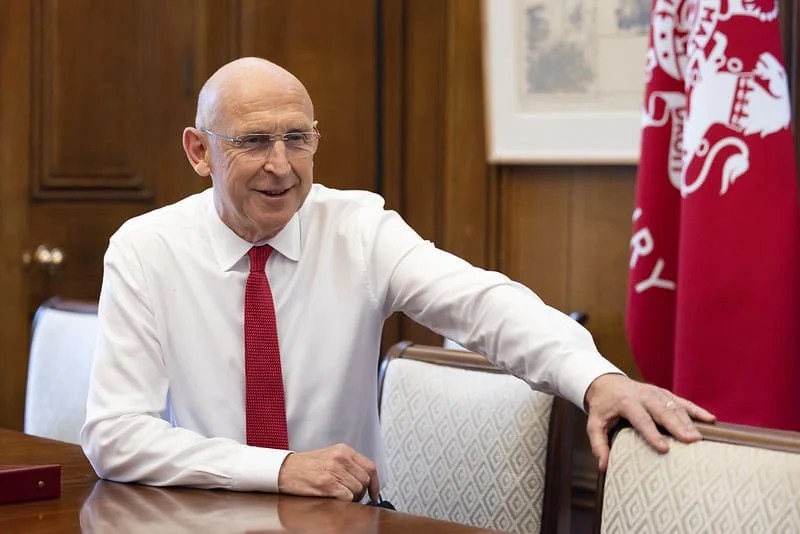
The Autumn Budget 2026 is scheduled to take place on October 28, arriving roughly a month earlier than the previous year’s financial statement. This upcoming fiscal event marks a significant milestone as the first major budget delivered by newly appointed Chancellor John Healey, following his transition into the role under Prime Minister Andy Burnham.
The economic backdrop to the upcoming budget presents a complex challenge for the new administration. Recent figures show that the economy grew by 0.7 percent in the three months leading up to August. However, this growth is accompanied by mounting inflationary pressures, with inflation ticking up to 3.1 percent, largely driven by rising fuel and energy costs. Economists and forecasters anticipate that overall economic growth will slow down in the coming months as these elevated household and business expenses begin to weigh heavily on commercial activity and consumer spending.
The labor market is already reflecting some of this cooling economic momentum. Data from the Office for National Statistics (ONS) reveals that job vacancies fell by 21,000 down to 691,000 during the three-month period leading up to September. According to the ONS, rising recruitment costs have played a key role in forcing smaller businesses to scale back their hiring plans.
Unlike previous years, which were often characterized by a steady stream of advance media briefings and high-profile leaks, details surrounding the October 28 budget remain relatively closely guarded. Observers note that fewer leaks have emerged ahead of the fiscal statement, leaving businesses and households waiting until the Chancellor takes to the dispatch box for definitive answers.
When and How to Watch the Autumn Budget 2026
The Autumn Budget will be delivered on October 28, 2026. Proceedings typically commence shortly after 12:30 pm, immediately following the conclusion of Prime Minister’s Questions (PMQs), and the Chancellor’s speech generally lasts for approximately one hour. For those wishing to follow the announcements as they happen, the Budget will be broadcast live across standard television news networks such as the BBC and streamed online via ParliamentTV.
What Could Happen in the Autumn Budget 2026?
Business Rates Cut and High Street Reforms
As the date approaches, the government has confirmed only a handful of specific measures for the commercial sector. Chief among these is a planned 20 percent reduction in business rates for pubs, clubs, and live music venues, which is set to take effect from April 2027. Further details regarding this targeted relief are expected to be unveiled at the end of October.
At the same time, wider reforms to the business rates system are reportedly on the table, which could include the introduction of larger business rates bills for large commercial warehouses as part of a broader rebalancing of the property tax framework.
Permanent Tax-Free Mileage Rate for Mobile Workers
In an effort to support individuals who regularly travel for professional reasons, the government has announced a permanent tax-free mileage rate of 55p per mile for up to 10,000 miles. This policy is designed to assist workers who rely on their own vehicles to carry out their daily duties.
Expansion of Post Office Drop Boxes
Small business owners and independent traders are also set to benefit from logistical improvements, with plans for hundreds of new Post Office drop boxes due to be announced. The initiative aims to simplify the process of sending out parcels, offering greater convenience for individuals running side businesses and small e-commerce ventures from home.
Parental Pay for Self-Employed Fathers
The upcoming fiscal announcements are expected to address gaps in parental support by introducing two weeks of paternity pay, capped at up to £194 a week, for self-employed fathers following the birth of a child. This financial provision will also be extended to other eligible parents who previously missed out on statutory support schemes.
Tax Crackdown on Online Marketplaces
According to reports from The Times, the Chancellor is preparing a major tax crackdown targeting major online retail platforms. Under the proposed changes, tech giants and digital marketplaces such as Amazon, Temu, and eBay would become legally responsible for collecting Value Added Tax (VAT) owed by third-party retailers selling through their platforms if those sellers have a turnover exceeding £90,000.
This measure is primarily aimed at clamping down on international sellers who have historically exploited regulatory loopholes to avoid paying UK VAT. The government estimates that the clampdown could generate up to £1 billion in additional revenue, funds that are earmarked to help finance business rates reductions for traditional high street shops.
Fuel Duty Freeze
While previous administrations initially froze fuel duty in 2022—a policy subsequently extended by Sir Keir Starmer’s government through the end of 2026—Chancellor Healey has confirmed that he will maintain the freeze, shielding motorists and logistics firms from an immediate rise at the pumps.
Tariff Cuts on Food and Household Goods
Building on tariff reliefs introduced earlier in the year by former Treasury figures, the government is set to cut import tariffs on a wider range of food items and essential goods. Everyday family staples including baked beans, gherkins, garlic, and marmalade are included in the reductions. Furthermore, tariffs on agricultural fertilizers are being lowered, offering a rare piece of welcome news for the farming community following a challenging period for the sector.
Small Breweries and Industry Speculation
Discussions have circulated regarding the potential nationalization or structural support of small independent breweries, though concrete policy details remain scarce ahead of the formal budget speech.
National Living Wage Adjustments
While official confirmation from the Chancellor is still pending, annual adjustments to the National Living Wage are traditionally announced ahead of the new tax year. The Low Pay Commission has previously recommended a 3.7 percent increase, which would raise the hourly rate for older workers from the current £12.71 to approximately £13.18. However, reports in The Times suggest the figure could be pushed slightly higher to £13.20—representing a 3.9 percent increase for adults aged over 21. For workers aged 18 to 20, the rate is similarly projected to rise by 3.9 percent, moving from £10.85 to £11.27 per hour.
Cutting Red Tape and Administrative Burdens
In late October, the government outlined broader plans aimed at slashing red tape and administrative burdens for enterprises, with estimates suggesting the measures could save businesses nearly £800 million per year. While a formal consultation on the proposals opened earlier and runs through the end of November, allowing business owners and stakeholders to submit their views, analysts suggest that while the Chancellor may reference the initiative to signal support for SMEs, comprehensive legislation is unlikely to be finalized within the immediate budget framework.
Capital Gains Tax and Wider Corporate Taxation
Despite widespread speculation regarding whether Capital Gains Tax rates might be aligned more closely with standard income tax bands, Chancellor Healey has confirmed that there will be no increase to Capital Gains Tax in this budget.
Regarding broader corporate levies, Labour’s 2024 manifesto commitments included maintaining corporation tax at 25 percent, alongside the retention of full expensing and the annual investment allowance. Nevertheless, given the prevailing economic uncertainties, wider tax discussions continue to circulate.
Among these is ongoing speculation that holiday lets could soon be reclassified and taxed as second homes rather than commercial business properties. Representatives from the holiday accommodation sector have warned that such a shift could impose substantial additional costs on property owners, potentially ranging between £1,000 and £3,000 annually.
Making Tax Digital Rollout
As businesses prepare for future regulatory changes, the government has reminded commercial operators of upcoming deadlines under the Making Tax Digital initiative. Firms and self-employed individuals with earnings exceeding £30,000 will be required to comply with Making Tax Digital regulations starting in April 2027, while those earning over £20,000 have been given a deferred deadline of April 2028 to implement the necessary reporting systems.
| Source | : | Finance Poetry |
| Author | : | rifanmuazin |
| Editor | : | Finance Poetry Editorial Team |