
Housing Market Gridlock Deepens as 7% Mortgage Rates and Stalemate Between Buyers and Sellers Persist
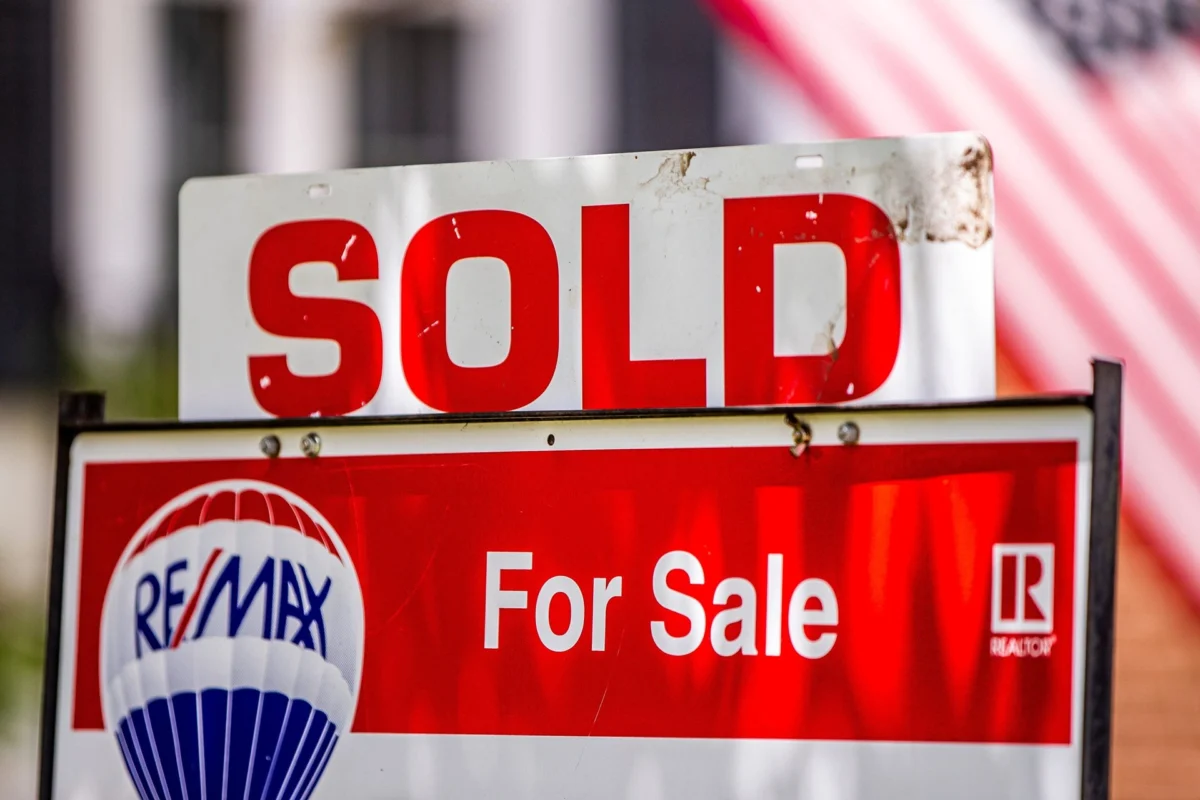
Reluctance has firmly taken over the American housing market this fall, trapping prospective buyers and sellers in a protracted standoff that shows few signs of easing.
According to real estate experts, the core of the issue is a deep pricing and financing disconnect. Buyers are fiercely resistant to taking on loans with mortgage rates hovering around 7%, while sellers remain stubbornly attached to higher asking prices reminiscent of the pandemic-era housing boom. Neither side is willing to blink, resulting in a severe market slowdown.
Data from real estate platform Zillow illustrates the extent of the freeze. The number of newly pending home listings—a widely watched leading indicator of future sales activity—declined by 17% in October, dropping to the lowest level recorded for that month since 2018. Industry researchers and market analysts anticipate an even sharper drop-off when November figures are finalized.
"Sellers are reluctant to put the home up and get prices they don’t like, and buyers are just squeezed by these mortgage rates," said Joel Berner, a senior economist at Realtor.com. "Everybody’s in a bit of a standoff."
The primary driver of this stalemate is the persistent elevation of borrowing costs. Thirty-year fixed mortgage rates have hovered comfortably above 7% since late September. This reality stands in stark contrast to the autumn of 2021, when rates routinely dipped below 3%, fueling a historic, hyper-competitive housing frenzy.
Mortgage rates rose dramatically over the course of 2022 and have remained stubbornly above 6% for the vast majority of the past five years. Millions of homeowners who successfully locked in historically low rates during the pandemic have now spent half a decade waiting for borrowing costs to recede to those former lows—a wait that has severely constricted inventory as potential sellers refuse to trade their low rates for a costly new mortgage.
A brief glimmer of hope emerged in early 2026, when mortgage rates temporarily dipped below 6%. The momentary relief offered a brief surge of optimism for both buyers desperate for affordability and sellers eager to jump back into the market. However, those hopes were quickly dashed when geopolitical tensions, including the onset of the Iran war, disrupted financial markets and sent mortgage rates climbing back upward.
"We were optimistic at the start of the year: 2026 was going to be our year," said Kara Ng, senior economist at Zillow. "As the year went on, that looked less and less likely."
With Mortgage Rates at 7%, Buyers Lose Purchasing Power
The lingering high interest rate environment continues to erode the purchasing power of everyday homebuyers. Zillow reports that the brief window of 6% rates in early 2026 afforded the average home shopper approximately $30,000 more in genuine buying power than they held just a year prior, when rates peaked near 7%. Today, however, that extra financial leverage has entirely evaporated.
To put today’s mortgage rates into a broader personal finance context, the financial friction of moving is immense. A typical American homeowner with an existing mortgage currently holds an interest rate of around 4%, according to a new report from Realtor.com. That same homeowner would have to absorb an estimated $1,100 more every month just to finance the purchase of a mid-priced home today under a 7.3% mortgage rate.
For months, both buyers and sellers have pinned their hopes on the eventual return of 4% mortgage rates. Yet those rates have not materialized, and financial analysts suggest they are unlikely to return anytime soon.
Mortgage rates are traditionally benchmarked to the interest rates of 10-year Treasury notes. Those Treasury yields have remained elevated in recent months, directly driving up mortgage rates for consumers. Furthermore, yields are widely expected to stay high due to lingering inflation pressures, ongoing federal monetary policy decisions, and a complex array of macroeconomic factors.
"I think that mortgage rates are going to remain above the pandemic and pre-pandemic levels," said Daryl Fairweather, chief economist at Redfin. "So, I think we have to just be adjusting to this new reality."
Adjusting to this new market paradigm means that potential sellers may ultimately need to significantly recalibrate their expectations. Today’s buyers simply cannot afford as much house as they could a year ago, let alone five years ago. Consequently, consumer budgets feel heavily stretched, and buyers are becoming increasingly selective. They are far less likely to submit competitive offers on homes that require noticeable deferred maintenance, such as fresh paint or a new roof, and are actively hunting for bargains in adjacent neighborhoods.
If prospective buyers cannot find a property that strictly fits their revised monthly budget, many choose to remain on the sidelines, waiting indefinitely for mortgage rates to eventually fall.
Real estate professionals note that surviving this challenging market requires a strategic shift in approach for property owners who are determined to sell.
Be Flexible on Price
The fundamental erosion of buyer purchasing power means that a potential home buyer is currently in a much more difficult financial position than they were at the start of the year, according to Ng. In this environment, even a modest concession on the listing price can serve as a powerful catalyst to sweeten a transaction and secure a sale.
Yet, market experts observe that far too many sellers remain emotionally and financially anchored to figures that no longer reflect economic reality.
"One reason for the slow housing market is that owners are not lowering their prices," Fairweather said. "It’s not just buyers that are backing off, it’s also sellers that are backing off."
Some sellers routinely establish asking prices by drawing on comparable sales data from previous years when the market was running at a blistering pace. In today’s climate, those historical figures are rarely realistic.
"You have to be willing as a seller to take a price that the market will allow," said Jessica Lautz, deputy chief economist at the National Association of Realtors. "And that might not be the price that was achieved in a bidding war in 2021."
Before listing a property, Fairweather advises sellers to think deeply about what their true walk-away financial number is. Pricing a home appropriately and competitively from day one prevents the frustration of having a property sit stagnant on the market for months.
Don’t List a Fixer-Upper
With a noticeably smaller pool of active home buyers shopping the market, real estate professionals emphasize that sellers must invest extra effort into staging an attractive, welcoming property.
This level of preparation often includes hiring professional landscaping and cleaning services, vigorously decluttering living spaces, and making arrangements to temporarily stow pets elsewhere during scheduled home showings. Because home buyers are already exceptionally sensitive to high prices and monthly payments, they are quick to bolt at the first sign of deferred maintenance or overlooked repairs that create the psychological impression of added future expenses.
"Move-in ready means there aren’t major expenses, or even minor expenses, waiting for a buyer when they move in," Fairweather explained. "Maybe there’s a home down the street that’s just as nice as yours, but they painted the walls."
Sellers should direct their energy toward affordable fixes rather than undertaking expensive, full-scale renovations like a complete kitchen remodel, Lautz noted. Simple, low-cost improvements often yield the highest return in terms of buyer perception.
Keep the Buyer Happy
Securing an initial offer from a buyer is only the first step in a shifting market. According to Fairweather, pending home sales are currently being canceled at a higher-than-normal rate. Modern buyers frequently experience cold feet when reviewing their final monthly mortgage tab or reacting to extensive repair lists generated by home inspections.
In these sensitive situations, sellers must be prepared to negotiate rather than dig in their heels. If an inspection reveals that a home urgently requires a major component replacement like a new roof, sellers should be ready to financially cover the repair or actively split the cost to keep the deal alive, Fairweather advised.
Sellers should also carefully consider offering an interest-rate buydown. This common financing mechanism temporarily lowers the interest rate on the buyer’s mortgage, functioning essentially as a temporary mortgage subsidy provided directly by the seller to make the monthly payments more palatable.
"Make sure your buyer still feels good about the home purchase throughout the escrow period," Fairweather said.
Be Patient
If a home continues to languish on the market despite thoughtful preparation, the issue may not necessarily be tied to an inflated asking price. Experts note that properties can sometimes possess structural or locational challenges—such as sitting directly on a busy commuter road, abutting a railroad track, or occupying an unusually small plot of land—that limit their appeal.
Because homes are spending significantly more days on the market overall, Lautz emphasizes that sellers must cultivate a higher degree of patience.
"Sometimes, the strategy is not to price low," Fairweather said. "It’s just to wait until the right buyer comes along."
| Source | : | Finance Poetry |
| Author | : | rifanmuazin |
| Editor | : | Finance Poetry Editorial Team |