
EBANX and Eneba See Payment Volume Rise 138% in Latin America
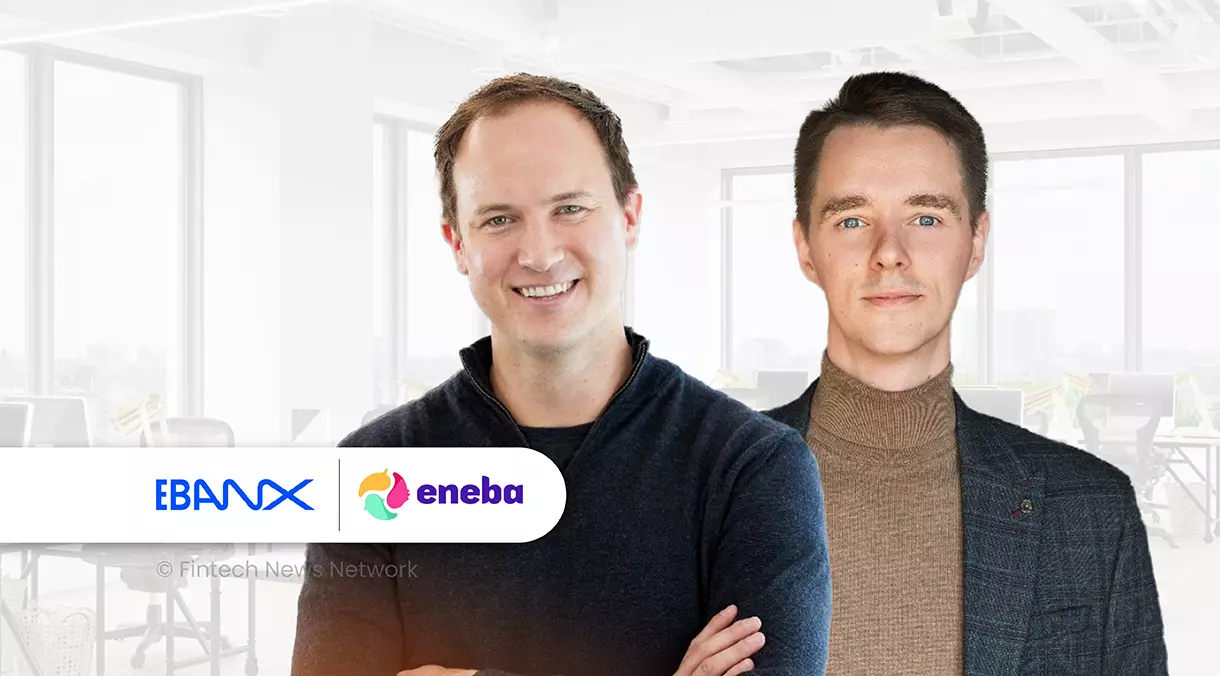
The milestone highlights the fruits of a strategic alliance that began in 2023, when Eneba first teamed up with EBANX to navigate the complex and fragmented financial landscape of Latin America. Initially, the collaboration spanned seven countries—Brazil, Mexico, Colombia, Chile, Peru, Ecuador, and Bolivia—before expanding to include Argentina a year later, bringing the total footprint to eight major Latin American markets. By integrating EBANX’s robust processing infrastructure, the global gaming marketplace has been able to bridge the gap between international digital commerce and hyper-local consumer payment habits.

For global merchants operating in Latin America, relying solely on traditional credit cards severely limits market penetration. According to data cited by the companies from the World Bank, only about one in four adults across the region possesses a credit card. Despite this low credit card penetration, digital commerce has thrived thanks to alternative payment methods. The World Bank notes that 51% of adults in the region have now made a digital payment, a substantial leap from just 34% a decade prior. This stark contrast between traditional banking infrastructure and digital adoption rates illustrates why international companies must tailor their checkout experiences to local preferences if they hope to scale successfully.
To capture this growing market, Eneba has systematically paired traditional international card processing with localized payment options in each country since the inception of the partnership. In Colombia, for instance, customers can seamlessly complete transactions using popular digital wallets such as Nequi and Mercado Pago. In Brazil and Mexico, the platform supports instant transfer mechanisms that have transformed domestic commerce, namely Pix in Brazil and SPEI in Mexico. Meanwhile, for the region’s substantial population of unbanked or cash-preferring consumers, Eneba offers widely adopted cash-based payment vouchers, including Boleto Bancário in Brazil, OXXO Pay in Mexico, and PagoEfectivo in Peru.

Data from 2026 reveals that these alternative methods are not merely backup options; they are the primary drivers of consumer engagement. The companies reported that Pix, Nequi, and Mercado Pago are among the methods most frequently utilized by Eneba’s customer base, with transaction volumes growing at a steady and impressive pace throughout the year. By respecting local consumer habits rather than forcing a uniform global checkout model, Eneba has managed to capture considerable market share in the competitive global video game retail sector.
Mantas Eitutis, Head of Payments and Fraud at Eneba, emphasized the critical role that its payments partner has played in achieving this regional growth. EBANX has been a strong partner in supporting our growth across Latin America, Eitutis noted, adding that their consistent performance and extensive coverage of local payment methods have helped the marketplace accurately reflect consumer preferences in each individual market.

The sentiment was echoed by James Booth, VP Commercial at EBANX, who pointed out the fundamental truth of digital expansion in the region. There is no single payment playbook for Latin America, Booth explained. For global merchants, scaling across the region means understanding the differences and adapting the checkout to how consumers already pay. As digital adoption continues to climb and alternative payment rails mature, the success of the Eneba and EBANX partnership serves as a case study for international platforms seeking sustainable growth in emerging markets.
| Source | : | Finance Poetry |
| Author | : | rifanmuazin |
| Editor | : | Finance Poetry Editorial Team |