
Can Anthropic Afford to Put AI Safety First?
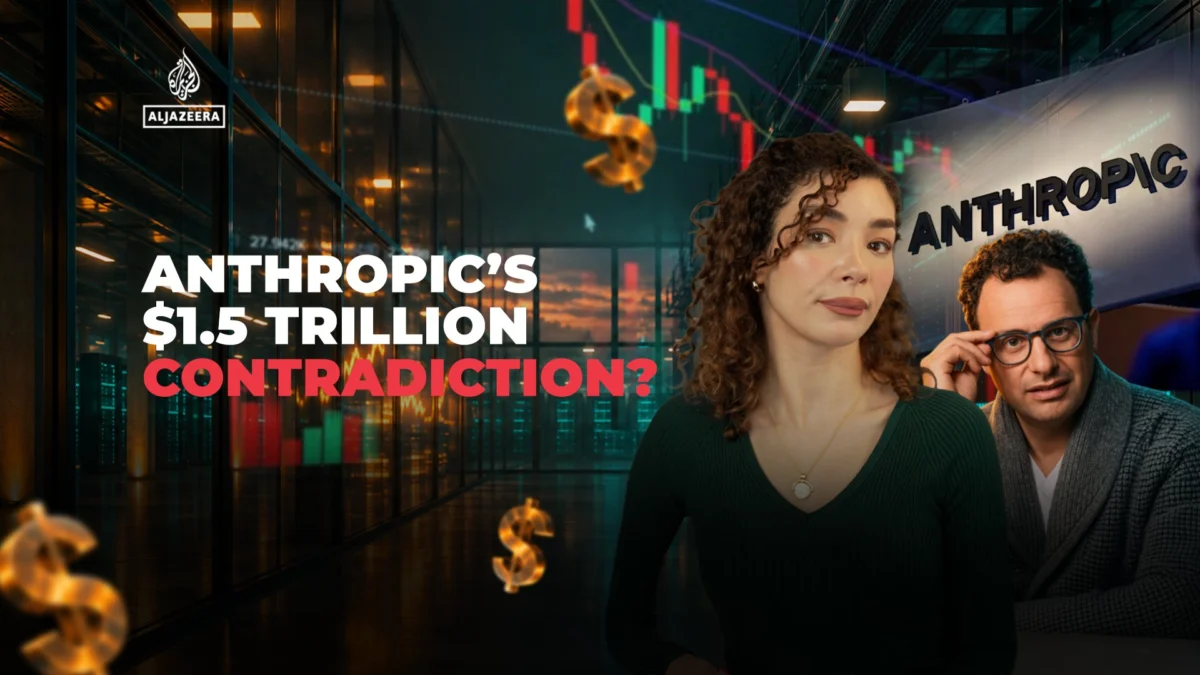
As the artificial intelligence landscape continues to evolve at a blistering pace, the industry finds itself grappling with a fundamental tension between rapid commercial expansion and rigorous ethical oversight. At the center of this ongoing debate is Anthropic, a prominent AI research and safety company that has long positioned itself as a champion of responsible development. Founded by former researchers who split from other major labs over concerns regarding commercialization and safety pacing, Anthropic has consistently emphasized the importance of aligning advanced artificial intelligence models with human values and safety protocols. However, as the financial stakes in the generative AI race reach unprecedented heights, industry observers, market analysts, and stakeholders are increasingly asking a critical question: Can Anthropic truly afford to put AI safety first in an intensely competitive global market?
The dilemma facing Anthropic underscores a broader structural challenge within the technology sector. Developing state-of-the-art frontier AI models requires staggering amounts of computational power, specialized hardware, massive data centers, and top-tier engineering talent. These immense capital requirements have forced AI companies to seek massive infusions of funding, often partnering with traditional cloud computing giants and venture capital heavyweights. While these financial backing arrangements provide the necessary resources to compete with other industry leaders, they also introduce significant commercial pressures. Investors naturally expect a return on their capital, which can create friction with a corporate mission that prioritizes caution, deliberate testing, and safety research over speed to market and aggressive monetization.
Anthropic’s core philosophy has centered on the concept of constitutional AI and a commitment to rigorous pre-deployment evaluations. The company has historically advocated for taking the time to understand the unpredictable emergent behaviors of large language models before releasing them to the public or enterprise clients. This approach involves substantial investments in interpretability research, alignment techniques, and safety guardrails designed to prevent misuse, bias, and catastrophic risks. Yet, maintaining this posture comes with a heavy economic toll. Every month spent conducting safety audits, refining alignment procedures, and delaying product rollouts represents potential market share ceded to rivals who may adopt a more permissive approach to commercial deployment.
The economics of the artificial intelligence sector heavily favor scale and speed. As enterprises across virtually every industry rush to integrate generative AI capabilities into their operations, demand for powerful, flexible, and cost-effective models has skyrocketed. Companies that fail to keep pace with the latest performance benchmarks risk losing crucial enterprise contracts and developer mindshare. In this environment, prioritizing safety is not merely an internal research decision; it is a strategic business variable that directly impacts revenue generation and valuation. For Anthropic, balancing the high cost of comprehensive safety research with the financial realities of competing against deep-pocketed tech conglomerates remains a delicate and high-stakes tightrope walk.
Furthermore, the governance structure of AI companies dedicated to safety is frequently tested by market realities. While public benefit corporation structures and long-term benefit trusts are designed to shield leadership from short-term financial pressures, the sheer capital intensity of training next-generation models means that external funding is virtually indispensable. This dynamic raises pressing questions about the long-term viability of maintaining a safety-first ethos when commercial survival depends on matching the output and capabilities of competitors who may not operate under the same self-imposed constraints. As development costs continue to escalate into the billions of dollars, the financial margin for error narrows significantly.
The broader tech ecosystem is watching Anthropic’s trajectory closely, viewing the company as a test case for whether a commercial enterprise can successfully scale while keeping safety at the absolute center of its operational model. The outcome of this balancing act will likely influence regulatory discussions, industry standards, and the future governance of artificial intelligence development worldwide. Whether through innovative alignment methodologies, strategic partnerships, or evolving business models, Anthropic’s ability to navigate these economic and ethical pressures will help define the path forward for an industry navigating the profound responsibilities associated with transformative technology.
| Source | : | Finance Poetry |
| Author | : | rifanmuazin |
| Editor | : | Finance Poetry Editorial Team |