
Hank Green and Leslie Morgan Launch ClockwiseTV, an Ad-Free Educational Video Platform for Kids
Reflecting recently on the trajectory of the digital world, long-time online creator Hank Green didn’t sugarcoat his assessment of the modern internet. Appearing on an episode of his podcast Dear Hank & John, Green addressed a question about the lowest point of his nearly two-decade career creating video content for an increasingly broad audience. Rather than pointing to a specific personal controversy or professional setback, Green identified a broader cultural shift.
The true low point, he explained, was watching the internet transform from an imaginative space where creatives playfully experimented into an omnipresent infrastructure that dictates daily life. He lamented how the digital landscape became overtaken by negative vibes, algorithms engineered to maximize outrage, and systemic degradation of the broader social order.
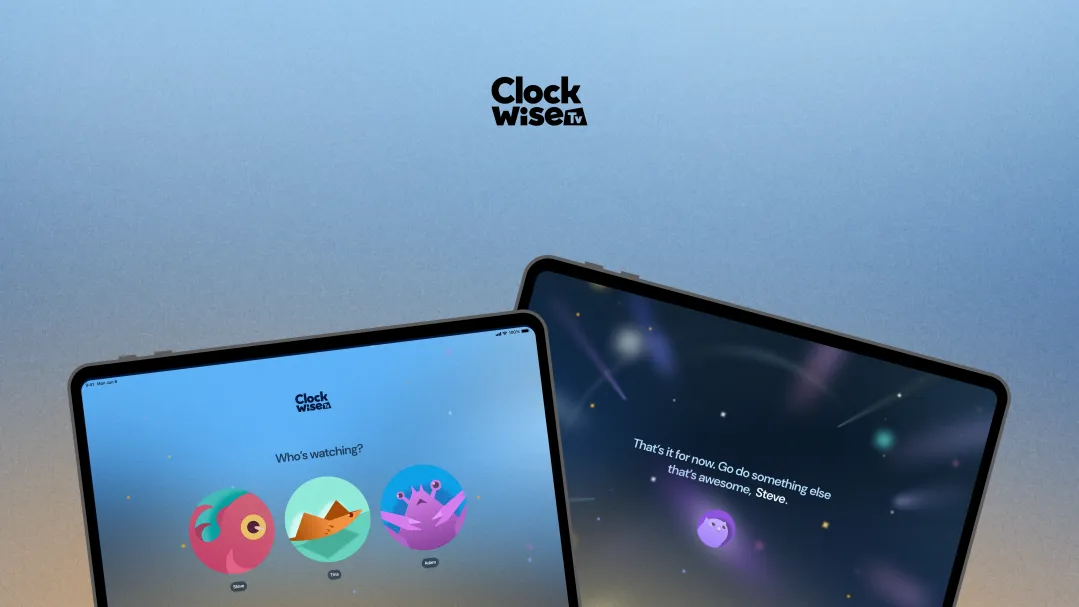
Yet, rather than retreating from the digital space entirely, Green is attempting to model a constructive alternative. Alongside veteran creator economy executive Leslie Morgan, Green has launched ClockwiseTV, a curated, ad-free educational video platform explicitly designed for children between the ages of 8 and 12.
The startup stems from a very common, contemporary parental dilemma. According to Morgan, who has spent twenty years navigating the business side of the digital creator economy, Green approached her last September with a concept that had been brewing for a long time. The idea was born directly from the daily negotiation familiar to many modern parents: a nine-year-old child constantly asking for just five more minutes on a device.
Morgan, who encountered the exact same dynamic in her own household, immediately recognized the core challenge of digital consumption for young minds. The fundamental question was how to successfully contain screen time while simultaneously preserving a sense of agency for the child.
ClockwiseTV’s answer to that architectural design problem is built directly into its interface. At the beginning of each viewing session, the parent and child collaboratively decide on a specific time frame for how long they are allowed to watch. The platform’s recommendation engine then curates videos that strictly adhere to that designated time frame. For instance, if a child is in the middle of a thirty-minute viewing session and has already consumed two ten-minute videos, the platform will deliberately avoid suggesting a twenty-minute video when only ten minutes remain in their allotted window.
This startup addresses a widespread and growing anxiety among modern families. Beyond the simple daily friction of negotiating device limits with children, broader sociological trends highlight deep parental concern over digital consumption. Data from a Pew Research Center study reveals that approximately 51 percent of parents with children age 12 or younger report that their kids watch YouTube every day, alongside various other video applications.
While dominant tech platforms like YouTube do offer dedicated environments for younger audiences, such as YouTube Kids with its extensive suite of parental controls, these platforms have faced recurring scrutiny. Reports indicate that even filtered spaces can occasionally expose children to low-quality, algorithmically generated content often referred to as AI slop. Meanwhile, mainstream video applications lacking dedicated child-focused versions present even greater risks of exposing young viewers to unsuitable material.

ClockwiseTV tackles this quality and safety problem through a rigorous hand-curation process. The platform features an educational library built from established creator channels, including Odd Animal Specimens, Draw with Jazza, and Nerdforge, alongside popular educational content Green helped bring to life, such as Crash Course Kids and SciShow Kids.
When users open the application, they are greeted by a manageable selection of roughly a dozen video choices to begin their session. Furthermore, the platform incorporates a dedicated search functionality. If a child expresses a specific interest in mathematics on a given day, they can search for content from creators like Stand-up Maths and instantly review options that fit precisely within their remaining viewing time frame.
Crucially, while many of these featured creators produce content intended for general or adult audiences, ClockwiseTV’s editorial team manually reviews every single video before it is uploaded, editing the material to ensure it is entirely appropriate for younger eyes. Depending on the video, the curation team might edit out anything from embedded commercial product placements to what Morgan describes as spectacle power tool use—potentially hazardous activities demonstrated without adequate safety context.
As an example, Morgan highlights maker creator Simone Giertz, whose creative projects—such as building a specialized skateboard for a three-legged dog—are exceptionally engaging for children. However, because Giertz frequently uses colloquial or adult language, the ClockwiseTV team steps in to edit out any inappropriate language so that the underlying creative inspiration remains accessible and suitable for kids.
To compensate the independent creators whose work populates the platform, ClockwiseTV pays an upfront licensing fee to utilize their videos. Following that initial payment, the company shares 25 percent of its ongoing revenue with creators based on verified watch time. To sustain this model without relying on programmatic advertising or data tracking, ClockwiseTV charges parents a subscription fee of $6.99 per month, or $69.99 annually, ensuring the platform remains strictly ad-free.
Maintaining this editorial standard requires rigorous human oversight. Morgan emphasizes that human reviewers evaluate videos at least four times before they are ever published to the application, a foundational policy that the company intends to maintain indefinitely. The startup has explicitly rejected the use of automated technologies to process or moderate its content library, steering clear of artificial intelligence shortcuts.
Following an initial beta testing phase involving a few hundred parents and their children, ClockwiseTV is officially opening to the public with dedicated applications designed for iOS and Android smartphones and tablets.
Notably, the startup has chosen to forgo external venture capital or outside institutional funding, relying entirely on Hank Green’s personal investment. For Morgan, this financial structure is deeply symbolic of the platform’s core mission. She notes that maintaining full creative and operational control was paramount for Green, who chose to invest his own capital into an enterprise he believes in with absolute conviction—a sentiment she shares completely as the company steps into its public launch.
| Source | : | Finance Poetry |
| Author | : | rifanmuazin |
| Editor | : | Finance Poetry Editorial Team |