
Rethinking Employee Benefits: How Small Businesses Can Boost Retention Without Breaking the Bank
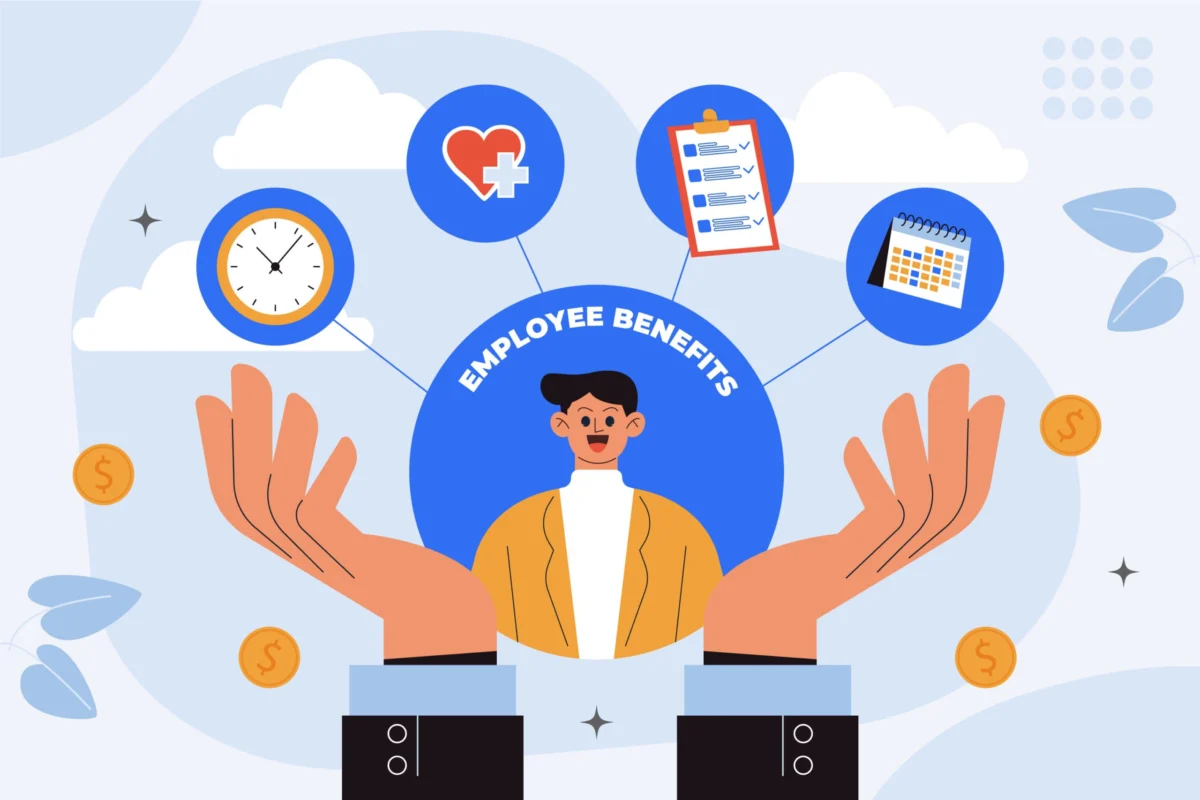
When top talent is browsing the job market, standard perks like a weekly office pizza delivery might no longer be enough to catch their eye. In today’s competitive employment landscape, the structure of an employee benefits package can serve as the ultimate deciding factor between a candidate submitting an application or simply scrolling past a job listing. Business leaders are increasingly discovering that expanding their imagination when it comes to workplace benefits pays substantial dividends, translating directly into heightened productivity and long-term staff loyalty.
The secret behind designing an effective benefits program lies in personalization. According to Charlotte Dean, founder and managing director of P3 People Management, workplace perks should be tailored to individual circumstances as far as possible rather than implemented as a rigid, one-size-fits-all model.
"A 24-year-old renting their first flat and a parent juggling the school run want very different things, so the best benefits package is built around your people," Dean explained in an interview with Small Business. She noted that even simple measures, such as conducting regular staff surveys, can point employers directly toward the most suitable and appreciated employee benefits.
Fortunately, enhancing a company’s offerings does not require a massive corporate budget or a detrimental impact on everyday cash flow. Numerous creative and low-cost initiatives can significantly elevate workplace morale and retention.
Financial Guidance and Wellbeing
Among the most enduring and pervasive struggles for modern employees are personal financial concerns. Offering access to structured personal finance information can provide immense relief to staff members, particularly when employers establish clear signposts to independent financial advisers whom workers can easily contact when facing economic stress.
Some modern pension providers now incorporate financial wellbeing services into their standard offerings alongside regular retirement planning. Furthermore, employers can facilitate financial coaching for their workforce through tax-efficient salary sacrifice schemes, helping employees navigate budgeting, savings, and long-term financial planning with professional support.
Expanding Time Off Beyond Standard Holidays
Time off is universally valued by workers, and innovative approaches to scheduling can provide substantial support for staff members dealing with major life events or personal burnout.
Duvet Days
A duvet day is a flexible form of leave that can be taken without advance notice. Employees do not necessarily need to be suffering from an illness, nor are they "pulling a sickie"; rather, the concept allows workers to contact their employer on the morning of the day in question to state that they will not be working, with no reason required. Employers retain the freedom to determine how many such days they wish to offer annually.
Celebrating Birthdays With Paid Leave
Few people genuinely relish the prospect of spending their birthday sitting at a desk or working through a shift. Extending birthday greetings into tangible policy by granting employees the day off is an easily implemented perk that also serves as a strong, attractive selling point when crafting job advertisements.
Moving House Leave
Relocating to a new home is widely recognized as one of life’s most stressful experiences. Providing staff with dedicated breathing space to manage the move—without forcing them to eat into their standard annual holiday allowance—makes a profound difference during a chaotic time, even if it is just a single day off.
Supporting Communities Through Volunteering Days
Demonstrating that a company cares about the personal passions of its workforce can be effectively achieved by introducing dedicated volunteering days. Such initiatives not only benefit a brand’s corporate reputation and foster stronger relationships within the local community, but they also noticeably lift employee spirits. Research from the Royal Voluntary Association indicates that if employee volunteering time were fully utilized, it could lead to over £5,000 in productivity gains per employee each year.
Culturally Meaningful Bank Holiday Swaps
Standard UK bank holidays do not always align with the cultural or religious observances of a diverse workforce. Permitting employees to swap a standard bank holiday for a date that holds greater significance within their personal cultural calendar—such as a Muslim employee exchanging Easter Monday for Eid to spend the holiday with family—offers a meaningful inclusion perk. As an added operational advantage for the business, this flexibility can help maintain staffing levels on days when the enterprise would otherwise traditionally be forced to close.
Recognition and Appreciation
Acknowledging hard work is vital for maintaining high morale. Giving employees a public shout-out lets them know that their efforts are actively noticed and valued by leadership. This recognition can take the form of a feature in a company newsletter or an announcement on the internal intranet, while a structured employee of the month program provides another reliable way to acknowledge consistent graft.
Alternatively, companies can organize dedicated employee appreciation days featuring catering and fun team-building activities, while smaller teams often benefit greatly from a subsidized company night out.
Introducing Pet-Friendly Workplaces and Policies
For businesses operating physical offices, welcoming office dogs can act as a major morale booster that incurs no direct financial cost beyond potential adjustments to cleaning routines.
Expanding pet policies further, progressive employers are beginning to introduce animal adoption leave and pet bereavement leave—ranging from a single day to a week—allowing staff to properly care for their animals during significant life moments. Offering discounts on services such as professional dog walking, grooming, and pet sitting is likewise deeply appreciated by animal lovers on the team, reinforcing the organizational message that pets are recognized as valued members of the family.
Casual Fridays and Flexible Hours
Casual Fridays allow employees to step away from formal office attire and wear their normal everyday clothing, provided reasonable boundaries are maintained regarding potentially offensive messaging or sports club rivalries. This initiative is entirely cost-free for the business, and it can be paired with an early finish or a half-day to help staff transition smoothly into the weekend.
Meanwhile, moving beyond casual dress, offering flexible working hours as standard practice can dramatically improve work-life balance. While asking for flexible working arrangements is already a legal right from day one of employment in the UK, embedding flexibility into company culture as a default approach yields significant loyalty.

Dr Kate Strohm, managing director of online education provider Lift College, noted that her organization operates entirely remotely with self-chosen hours. "Our team chooses their hours and works remotely," Strohm said. "Our learners study around jobs and families, so it would be odd not to let our own staff do the same."
Fostering Connection Through Local Partnerships and Book Clubs
Small businesses can also leverage local business communities by partnering with nearby establishments, such as hairdressers, dentists, or dry cleaners, to offer mutual employee discounts on essential services.
Internally, establishing a company book club provides an effective avenue for remote employees to connect and build interpersonal relationships. When hosted in person, book clubs offer a relaxed environment where employers can supply snacks and drinks, giving staff a dedicated space to chat. Beyond socializing, book clubs promote empathy and diverse perspectives, enriching the day-to-day working lives of participants.
Leveraging Existing Resources for Training and Qualifications
Providing opportunities for professional development does not always require large investments in external training providers. Companies can utilize their own existing resources and educational platforms to upskill their workforce.
Reflecting on her own business model, Dr Kate Strohm explained how Lift College utilizes its internal infrastructure to provide valuable perks at virtually no financial cost. "Lift College is an online college, so our two best perks cost us very little in cash," Strohm said. "First, every member of staff can take any of our own qualifications free, from functional skills and GCSEs to Level 3 diplomas. The courses already exist, so the cost to us is close to nothing, but for staff it can be a qualification they put off for years, and it means they know the learner experience first-hand."
Evaluating the Commercial Return on Perks
As these initiatives demonstrate, small business leaders have substantial flexibility in designing and implementing employee benefit packages that align with their operational capabilities and workforce demographics.
Reiterating the business case for investing time into staff perks, Charlotte Dean urged employers not to underestimate the potential commercial return. Pointing to data suggesting that only a fraction of UK employees feel actively engaged at work, she emphasized that the financial and operational friction of replacing a departing staff member vastly outweighs the cost of offering flexible perks like a birthday off.
"For small businesses, perks like these are one of the most cost-effective retention tools you’ve got," Dean concluded.
| Source | : | Finance Poetry |
| Author | : | rifanmuazin |
| Editor | : | Finance Poetry Editorial Team |