
Navigating UK Business Energy Volatility: How Smart Meters Are Becoming Essential for Small Enterprises
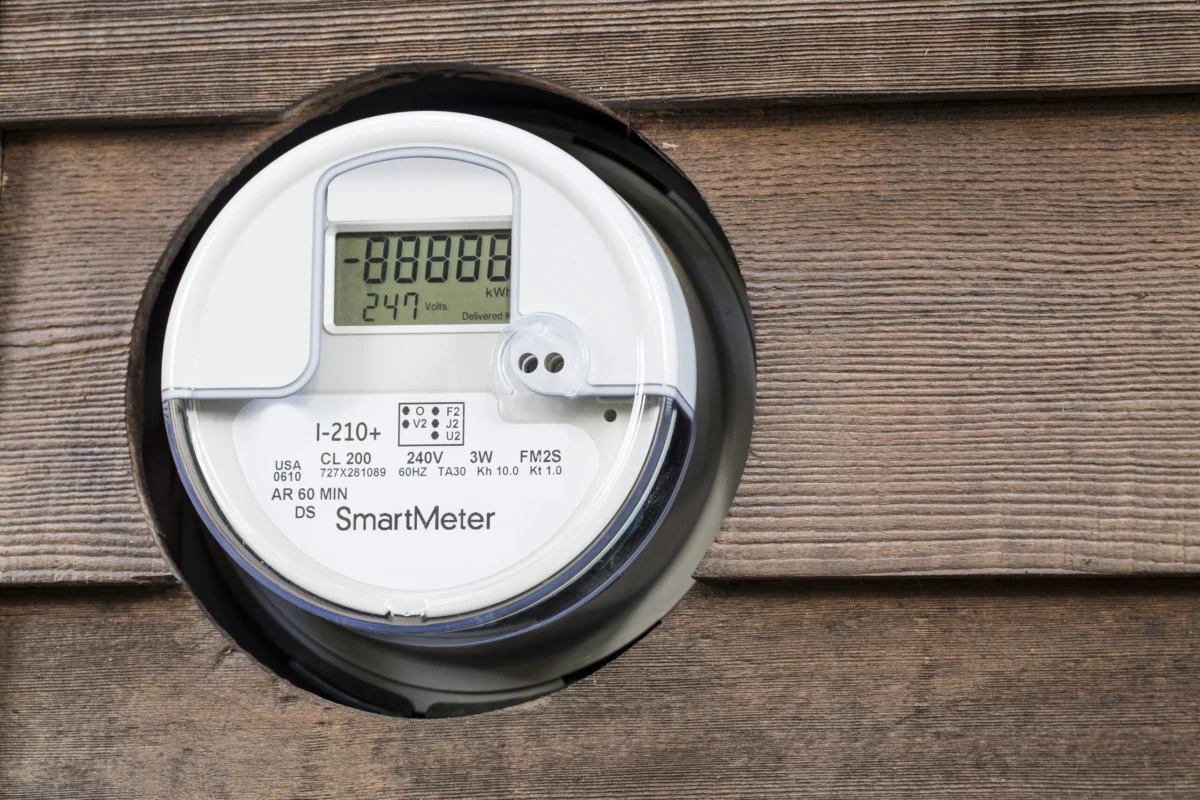
The United Kingdom’s energy market has faced an unprecedented wave of disruption during the 2020s, with nearly a major shock occurring every single year. From the far-reaching economic impacts of global health crises to complex international conflicts, a convergence of unpredictable events has fueled continuous price volatility across the nation. This sustained turbulence in global markets has left business owners grappling with fluctuating overheads, making financial predictability a rare commodity in an increasingly uncertain economic landscape.
In response to this challenging climate, business energy management has shifted from a routine administrative chore to a critical pillar of corporate survival. Recent data underscores this strategic shift, revealing that nine out of ten small business owners now consider the active management of their enterprise’s energy use and costs to be vital for their financial resilience over the coming year. As companies look for reliable ways to navigate ongoing cost pressures, attention is increasingly turning toward technological solutions that offer transparency and control over daily consumption.
Against this backdrop of market instability, smart meter adoption continues to advance across Great Britain. According to the latest official government statistics released in June 2026, an impressive 42 million smart meters have now been successfully installed in homes and small businesses nationwide. These advanced devices rely on a secure, dedicated data network to automatically transmit regular gas and electricity readings straight to energy providers. By eliminating the necessity for manual meter readings, the technology ensures that billing remains accurate and transparent, removing a persistent administrative burden from busy enterprise operators.
For small businesses operating with fewer than 10 employees, the opportunity to integrate these devices into their operations represents a practical step toward greater financial stability. As industry stakeholders evaluate the wider implications of the energy transition, understanding the core advantages of smart meters has become increasingly important for commercial tenants and property-owning micro-businesses alike.
Why does my business need a smart meter in 60 seconds?
The primary appeal of a smart meter lies in its ability to automate the routine task of reporting gas and electricity consumption to energy suppliers. By handling these recurring data transfers in the background, the technology frees up business owners and management teams to redirect their focus toward the more rewarding, revenue-generating aspects of running an enterprise. Beyond automated billing, these devices offer continuous opportunities to monitor energy usage in real-time, granting operators a heightened level of operational control. This visibility enables businesses to pinpoint precise times of peak energy consumption, actively reduce unnecessary power usage, and avoid unwelcome financial surprises when monthly or quarterly bills arrive.
Simplified and more accurate bills
For the typical small business owner, daily operations are a relentless balancing act. It is remarkably easy to become weighed down by essential but menial administrative tasks, leaving little time or energy to devote to grander commercial ambitions and long-term strategic growth. Consequently, any operational innovation that successfully reduces the burden of bureaucracy is viewed as a welcome relief.
Traditional energy metering often forces businesses to rely on estimated bills or take time out of busy schedules to manually read dials and submit figures to suppliers. Smart meters fundamentally change this dynamic by communicating consumption data directly and securely to the energy provider. This direct connection ensures that bills reflect true consumption patterns rather than generalized estimates, meaning enterprises only pay for the exact energy they actually use. With the requirement for manual readings entirely removed, business leaders regain valuable hours that can be reinvested into the most critical task of all: expanding and strengthening their commercial enterprise.
Gain greater control over your energy usage
Gaining a clear understanding of energy consumption patterns using a traditional meter can present a significant challenge for commercial occupants. Without granular data, identifying where power is being wasted or how operational habits influence utility costs becomes a matter of guesswork.
The integration of smart meter technology removes much of this ambiguity. Businesses that utilize an In-Home Display, or IHD, gain the ability to monitor their energy consumption down to the exact pounds and pence, broken down by day, week, and month. This detailed insight transforms abstract utility figures into actionable financial data, helping managers identify precisely when and why energy spikes occur so they can take targeted steps to cut down consumption and protect their bottom line.
It is worth noting that while not every energy supplier includes an IHD as a standard offering, all small businesses equipped with a smart meter or advanced meter retain access to free and regular information regarding their energy consumption. Suppliers typically deliver this valuable data through dedicated mobile applications, secure online portals, or specialized digital management tools designed to help commercial users optimize their energy habits.
Help protect the environment
Beyond immediate financial savings, modern enterprises face growing expectations to contribute meaningfully to national environmental targets, including the overarching commitment to achieve Net Zero carbon emissions by 2050 at the latest. While adopting LED lighting, securing renewable energy supply agreements, and investing in on-site solar installations represent sensible measures for businesses, these interventions often function as quick wins with relatively minor individual impacts.
In contrast, the installation of a smart meter serves as a low-cost, foundational mechanism that actively aids in reducing overall energy demand, yielding tangible environmental benefits on multiple fronts. The first of these benefits operates at a systemic level. By integrating a smart meter into commercial premises, businesses directly contribute to the modernization of the nationwide energy infrastructure. When suppliers receive accurate, real-time data from millions of properties, they gain an unprecedented level of visibility into how energy demand fluctuates throughout the course of a single day and across different seasons. This enhanced forecasting capability allows grid operators and energy companies to plan effectively for peak demand periods, enabling them to prioritize renewable energy sources over fossil fuels whenever possible.
The second environmental advantage is realized directly at the operational level. By continuously monitoring and evaluating their energy footprint, businesses can systematically eliminate wasteful practices, reduce unnecessary consumption, and consequently drive down their corporate carbon emissions.
Small businesses operating with fewer than 10 employees generally find themselves eligible for a smart meter installation. Enterprise owners seeking accurate billing and enhanced control over their utility expenditure can review their options by researching their current energy supplier or reaching out directly to inquire about scheduling an upgrade. The installation process is typically straightforward, requiring approximately two hours in total—split evenly between the gas and electricity meters—and can be arranged at a time that minimizes disruption to daily business activities.
Enterprises operating out of domestic premises may also qualify for smart meter technology under standard eligibility criteria. Furthermore, businesses situated in rented commercial spaces can request an installation, provided they hold direct responsibility for paying the utility bills.
For many small enterprises, smart meter installations are available at no additional cost. While certain specialized installations may involve charges depending on specific business circumstances, access to the underlying energy consumption data remains entirely free of charge. Research conducted by Censuswide among 500 British micro-business owners between September 7 and September 15, 2026, highlights the widespread recognition of these tools in supporting future commercial resilience.
| Source | : | Finance Poetry |
| Author | : | rifanmuazin |
| Editor | : | Finance Poetry Editorial Team |