
How to Find a Christmas Tree This Holiday Season Without Breaking the Bank
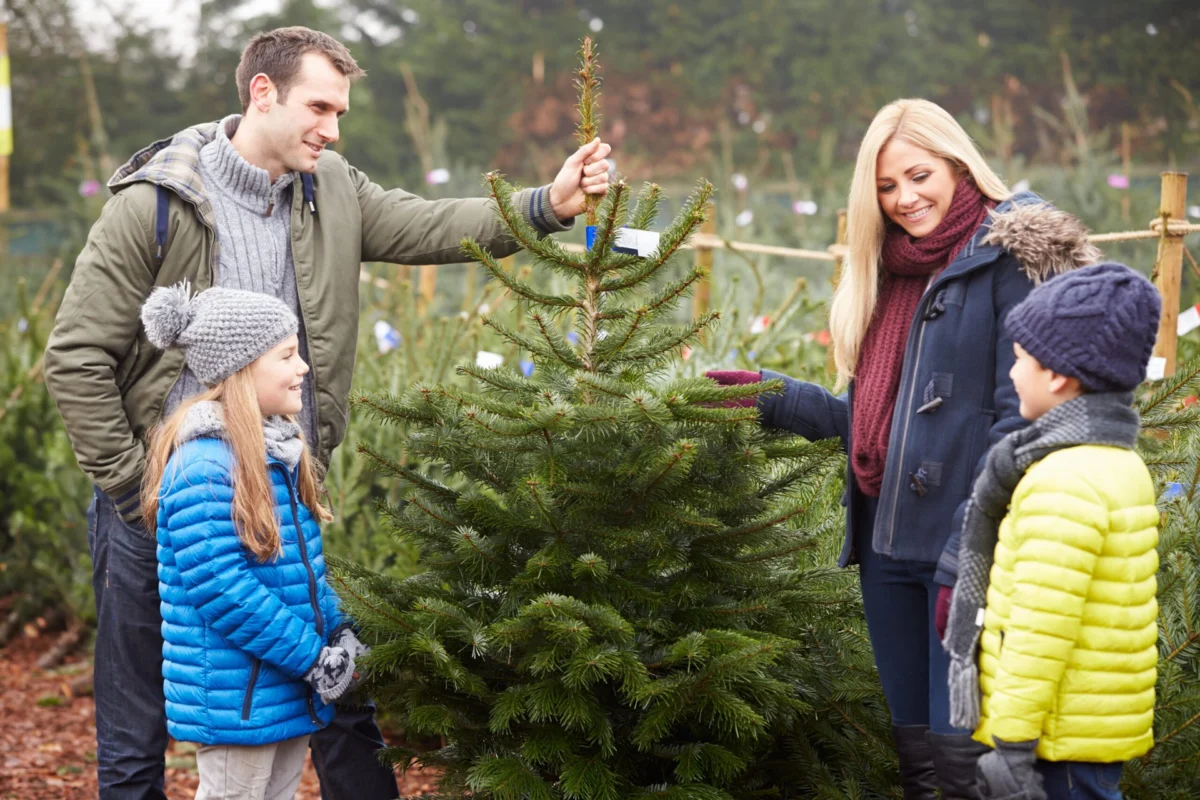
As the holiday season approaches, consumers across the country are once again facing the annual question of how much they should pay for a Christmas tree. Commercial tree lots typically charge whatever the market will bear, and in many major metropolitan areas, that market can command a remarkably high price. Meanwhile, deep within public lands like the Mount Hood National Forest in Oregon, the federal government offers an alternative: a live Christmas tree for just five dollars.
The catch, of course, is the labor involved. Buyers must venture out into the wilderness, locate a suitable tree themselves, cut it down, and haul it home. While that hands-on approach is not feasible for everyone, a combination of public-land permits, special youth initiatives, and more strategic shopping at commercial lots means that very few households need to pay top dollar for a holiday centerpiece this year.
For those willing to brave the elements, federal agencies offer affordable access to public lands through a permit system. The five-dollar price point found at Mount Hood is part of a broader seasonal program that typically runs through the end of December. Permits can be acquired online, through local vendors, or directly at Forest Service district offices. While obtaining a permit online via Recreation.gov incurs a small service fee of $2.50, purchasing one in person at a district office or through participating local vendors usually carries no extra charge.
The rules governing tree-cutting on public lands are straightforward yet strictly enforced. Harvested trees generally cannot exceed 15 feet in height, and they must be located within a specified distance of surrounding foliage. Furthermore, cutting is strictly prohibited in designated wilderness areas, active recreation sites, near established hiking trails, in active timber sales areas, or within a hundred feet of major highways. Harvesters are required to leave a stump measuring six inches or less, and household limits are typically capped at five permits per year.
Prices can vary depending on the specific region and managing agency. While many national forests maintain fees between five and ten dollars, a select few charge up to twenty dollars. In Arizona, for instance, permits for the Kaibab, Apache-Sitgreaves, and Tonto national forests range from fifteen to twenty dollars, and high demand can lead to early sell-outs, as was the case with the Prescott National Forest. Because not every national forest participates in the program and sale dates fluctuate widely, prospective tree-cutters are advised to consult Recreation.gov, purchase permits early, and print them out before setting out.
Winter trips into mountainous terrain also require careful preparation. Forest service officials consistently urge visitors to check local weather forecasts and road conditions, ensure their vehicles are properly winterized, and contact district offices in advance.
Families with school-aged children have access to an additional cost-saving option that many parents and grandparents remain unaware of. Through the federal Every Kid Outdoors initiative, fourth graders and their families receive a full year of free entry to hundreds of federal parks, public lands, and waters. At locations like Mount Hood, that qualifying pass also entitles the child to a free Christmas tree permit.
The program does carry specific guidelines. The child must have the physical pass or printed voucher in hand, and the free permit must be obtained either in person at a district office or online through Recreation.gov, where the standard service fee applies. When visiting a district office, the student must be present, as local third-party vendors do not process the youth vouchers. Because not all federal sites accept the paper passes, visitors should contact their local forest area office before making the trip.
The United States Forest Service is not the only federal agency managing public lands out West. The Bureau of Land Management also offers tree-cutting permits, frequently at even lower rates. Federal initiatives have priced BLM Christmas tree permits at one dollar per tree nationwide through Christmas Day, building on holiday discount programs introduced across public lands in twelve Western states, including Alaska. Several field offices manage over-the-counter sales, and some locations allow online purchases provided the buyer prints both the permit and the accompanying map, keeping the haul tag attached to the tree during the journey home. Some local districts in states like Nevada have experimented with waiving permit fees entirely, though availability depends heavily on local timber inventory and regional guidelines.
For individuals who lack the physical mobility, appropriate vehicle, or proximity to a national forest, commercial lots remain the primary option, but smart shopping strategies can still yield significant savings. According to industry figures, commercial Christmas tree prices have trended upward, reflecting broader economic pressures on wholesale growers. However, recent surveys by the Real Christmas Tree Board indicate that the vast majority of wholesale growers have chosen to hold the line on wholesale prices rather than implement further increases.
Geographic location plays a major role in retail pricing. Trees sold on sidewalks in densely populated urban centers like Manhattan command prices several times higher than those found in surrounding suburban lots. Shopping outside the priciest commercial districts can drastically reduce costs. Additionally, consumers facing high prices have increasingly opted to purchase smaller trees that fit the available floor space rather than trying to match tall ceilings, proving that a modest tree can serve just as effectively.
Consumers weighing the traditional debate between real and artificial trees must also consider long-term economics. While artificial tree enthusiasts frequently point to durability as a cost-saving measure, the math depends heavily on initial purchase prices and ongoing inflation. Import tariffs and supply chain fluctuations can push decorative holiday items higher in price, meaning an artificial tree purchased today may take several years of use to break even compared to a moderately priced lot tree, and decades of use compared to a low-cost public land permit.
For those who do purchase a real tree, proper maintenance is essential to prevent premature drying and financial waste. Agricultural extension services recommend making a fresh cut across the base of the trunk if the tree was harvested more than twelve hours prior, allowing it to absorb water effectively. Standard guidelines suggest using a tree stand capable of holding at least one quart of water per inch of trunk diameter, checking fluid levels daily, and avoiding additives such as sugar, bleach, or commercial preservatives. Placing trees away from heat sources, fireplaces, and direct sunlight helps mitigate fire risks.
Once the holiday season concludes, municipal recycling programs often provide free disposal and composting services, converting discarded trees into mulch that communities sometimes make available back to residents at no charge.
Ultimately, a Christmas tree remains one of the few holiday expenses where the most economical path can also provide the most memorable experience. Whether securing an inexpensive permit for an excursion into the public forests or shopping strategically at a local lot, consumers have multiple avenues available to keep holiday spending under control.
| Source | : | Finance Poetry |
| Author | : | rifanmuazin |
| Editor | : | Finance Poetry Editorial Team |