
Debating the Ethics of IUL: Insights from The American College’s Horizons Conference
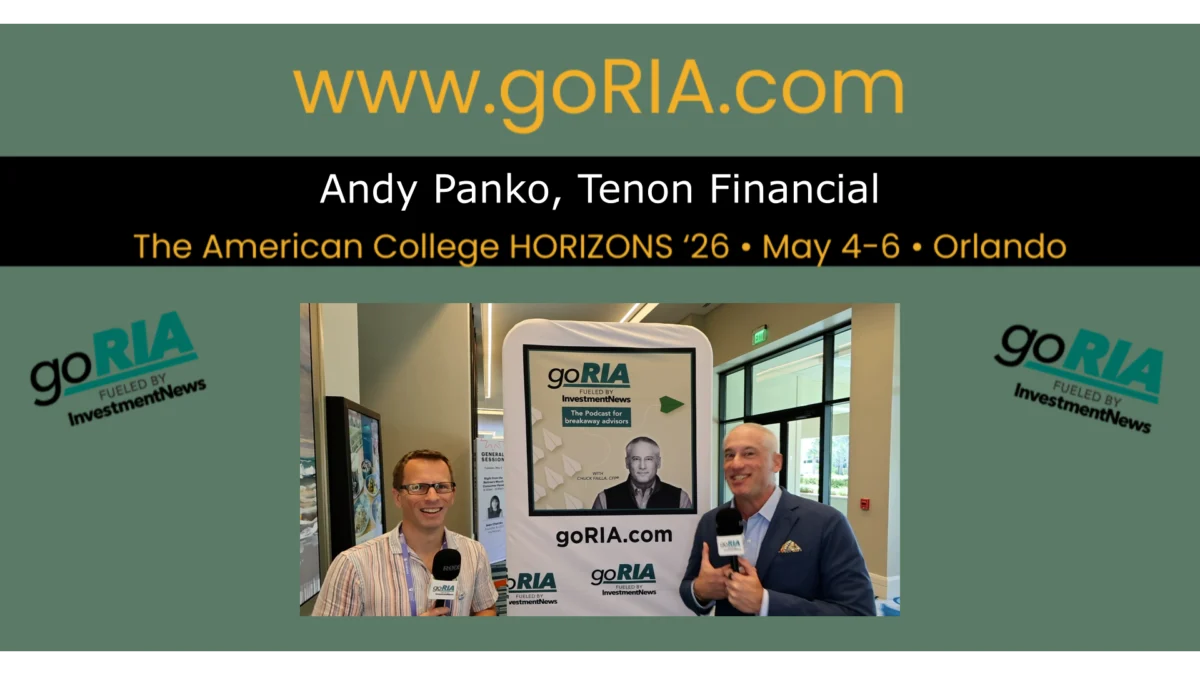
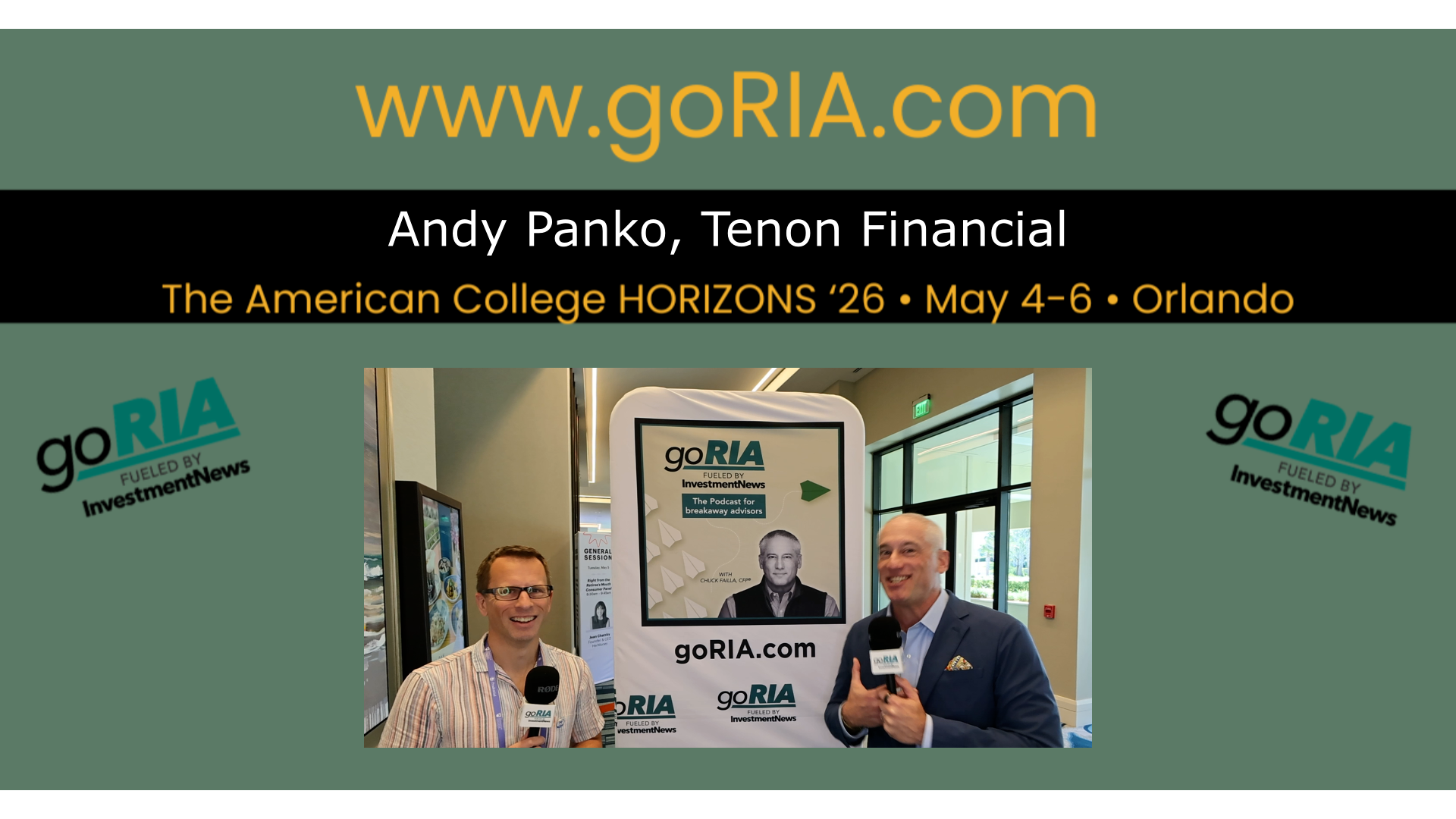
The financial services landscape is constantly evolving, with new products and investment strategies frequently sparking intense debate among advisors, planners, and industry experts. One of the most persistent and polarizing topics in recent years is the role, efficacy, and ethical standing of Indexed Universal Life (IUL) insurance. This ongoing conversation took center stage recently at The American College’s Horizons Conference in Orlando, Florida, where industry veteran Chuck engaged in a candid, high-level discussion with Andy Panko of Tenon Financial.
The segment, recorded live at the conference, sought to cut through the noise and technical jargon that often surrounds insurance-based investment products. By focusing on the fundamental question—"Are IULs evil?"—the discussion touched on the core tensions between product innovation, sales practices, and the fiduciary responsibility financial advisors owe to their clients. As the financial advice community gathers at major industry events like the Horizons Conference, these dialogues serve as a necessary pressure valve for addressing the products that define modern retirement and wealth transfer planning.
The Complexity of Indexed Universal Life Insurance
To understand why the question of IULs being "evil" carries such weight, one must first appreciate the complexity of the product itself. Indexed Universal Life insurance is a type of permanent life insurance that allows policyholders to allocate cash value amounts to either a fixed account or an equity index account. Unlike traditional whole life insurance, which provides a guaranteed death benefit and a predictable, albeit often conservative, cash value accumulation, IULs are tied to the performance of a market index—typically the S&P 500.
The appeal of the IUL lies in its promise: it offers the potential for market-linked growth while providing a "floor" that protects the policyholder from market downturns. In theory, this provides the best of both worlds—growth potential without the volatility of direct equity exposure. However, this structure introduces a layer of complexity that is often misunderstood by consumers and, at times, misrepresented by the agents selling them. The caps, participation rates, and cost-of-insurance charges that fluctuate as the policyholder ages can make these products difficult to project, leading to scenarios where the actual performance falls significantly short of the initial sales illustrations.
The Ethical Divide in Financial Planning
During the discussion in Orlando, the dialogue moved beyond the technical specifications of IULs and into the realm of professional ethics. The label of "evil" is, of course, a hyperbolic term, but in the context of financial advice, it speaks to the frustrations many fiduciaries feel regarding product transparency. Critics often argue that the high commissions associated with IULs incentivize agents to prioritize sales over the suitability of the product for the client’s long-term financial goals.
When an advisor recommends a complex, fee-heavy, or opaque product, it raises questions about whether the recommendation is in the client’s best interest. For many in the fee-only planning space, the concern is that IULs are frequently marketed as "investment vehicles" rather than insurance products. When they are sold with the primary focus on market returns, the underlying cost of the insurance—which can eat away at the cash value—is often downplayed. This misalignment of expectations is where the ethical debate typically finds its footing.
Andy Panko, representing the perspective of a practitioner committed to comprehensive financial planning, navigated these nuances by examining the product’s utility versus its marketing. The debate over IULs is rarely about the existence of the product itself, but rather about the context in which it is used. In specific scenarios—such as high-net-worth estate planning or as a supplemental tool for tax-advantaged cash flow—IULs can serve a legitimate purpose. The "evil" perception often stems from the misuse of these tools for average investors who might be better served by simpler, lower-cost investment vehicles like index funds or traditional life insurance.
Horizons Conference: A Hub for Industry Discourse
The Horizons Conference in Orlando serves as a vital venue for these types of difficult conversations. By bringing together the brightest minds in the financial advice community, the conference facilitates a deeper exploration of the challenges facing advisors today. It is not merely about learning new sales techniques; it is about debating the standards of the profession and ensuring that the advice provided to clients remains robust, ethical, and sustainable.
Throughout the event, other sessions underscored the importance of this mission. From discussions with industry luminaries like Jean Chatzky of the HerMoney Podcast to insights from retirement planning expert Ed Slott, the conference highlighted the diverse set of hurdles facing modern planners. Whether the topic is the shifting regulatory landscape, the complexities of tax planning, or the evolving needs of the modern retiree, the common thread is the need for transparency and education.
The conversation with Andy Panko regarding IULs fits perfectly into this broader narrative. It represents the industry’s willingness to confront its own controversies. When professionals are willing to openly debate whether a product is "evil," they are acknowledging that the reputation of the industry is tied to the quality of the products being sold. It highlights a commitment to moving away from product-pushing and toward a more client-centric model of advice.
The Role of Transparency in Future Planning
As the financial services industry moves forward, the pressure for increased transparency will only grow. Regulatory bodies, consumer advocates, and the public are demanding clearer explanations of how insurance and investment products work. For those who utilize IULs, the path forward involves rigorous education—ensuring that clients understand the caps, the risks of rising insurance costs, and the reality that these policies are fundamentally insurance products, not speculative investments.
The dialogue at the Horizons Conference underscores that there is no single, easy answer to the IUL debate. Instead, there is a spectrum of practice. Some advisors may reject IULs entirely as part of their philosophy, while others may find them to be an effective tool within a narrow set of circumstances. The key, as emphasized in the discussion, is the underlying intent and the quality of the advice. If an advisor can clearly demonstrate why an IUL is the most appropriate solution for a client’s specific, well-defined needs—and if the client fully understands the trade-offs—then the debate moves from one of ethics to one of professional judgment.

However, the industry must remain vigilant. The "evil" label, while dramatic, serves as a warning against the potential for harm when complexity is used to obscure cost or risk. As the industry continues to professionalize, the expectation of thoroughness in product selection will likely become even more stringent.
Continuing the Conversation
The segment from the Horizons Conference is a reflection of a broader movement toward accountability in financial planning. By tackling the most uncomfortable questions, the industry demonstrates a maturity and a commitment to its clients that is essential for maintaining trust. Whether it is discussing the nuances of IULs or the complexities of tax-efficient distribution, these conversations are what keep the financial advice community grounded.
For those watching or reading the highlights from Orlando, the takeaway is clear: do not take any product at face value. Whether it is an Indexed Universal Life policy or any other complex financial instrument, the duty of the advisor is to provide clarity, not just a pitch. The debate over whether IULs are "evil" may never be fully resolved, but as long as it remains a central point of discussion among professionals, it forces a higher level of scrutiny on the products that shape the financial futures of countless individuals.
The insights provided by experts like Andy Panko at events like the Horizons Conference ensure that the financial advice community remains informed, critical, and ultimately focused on the goal of helping clients navigate an increasingly complex financial world. As the industry continues to reflect on these issues, the emphasis will undoubtedly remain on balancing the utility of sophisticated financial products with the absolute necessity of ethical, transparent, and client-first advice. As the conference in Orlando concludes, the lessons learned and the questions raised will continue to ripple through the profession, encouraging a higher standard of care for all involved.
| Source | : | Finance Poetry |
| Author | : | rifanmuazin |
| Editor | : | Finance Poetry Editorial Team |