
Barkin sees interest rate hikes ahead, but at a gradual pace
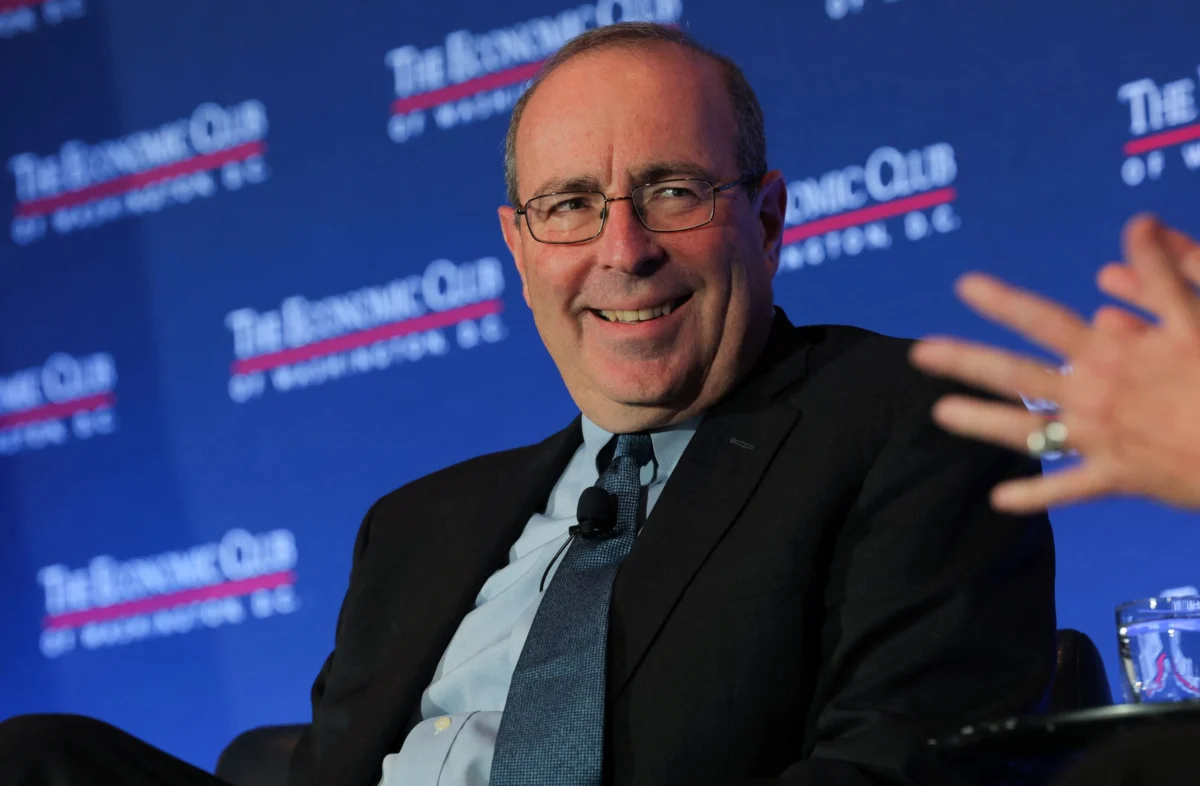
Speaking during a CNBC interview conducted as part of the Richmond Fed’s 2026 CFO Summit, the central bank policymaker expressed clear concern over the current trajectory of inflation and emphasized that monetary policy will inevitably need to adjust to meet these economic realities.
"Unemployment’s near record lows, and inflation is too high. That means the path is pretty straightforward. The question, of course, is pace," Barkin said during his conversation with CNBC’s Steve Liesman.
The policymaker elaborated on his preferred velocity for monetary policy tightening, suggesting that moving cautiously remains the wisest course of action given the myriad uncertainties currently buffeting the global and domestic economies.
"Gradual makes sense if you think there’s uncertainty in the world, and if you think that there’s information you’re going to get in the period. And I think that’s still a pace that makes sense to me," he added.
Barkin’s remarks come a little more than a week after his fellow policymakers voted to keep the Federal Reserve’s benchmark overnight borrowing rate anchored in a targeted range between 3.75% and 4%. While Barkin does not currently hold a voting position on the rate-setting Federal Open Market Committee, he is scheduled to rotate into a voting seat in 2027.
In the official post-meeting statement released following their gathering, the FOMC indicated that officials are actively awaiting the accumulation of more economic information as they carefully deliberate where to steer monetary policy next. When the committee previously authorized a quarter percentage point rate hike in September, central bank officials largely shared the consensus that another increase would likely be warranted before the conclusion of 2026.
Financial markets have increasingly aligned with this outlook. According to data from the CME Group’s FedWatch tool, market participants are currently pricing in a probability greater than 80% of a benchmark interest rate hike occurring in December, followed by at least one additional policy move over the course of 2027.
Reflecting on the broader economic landscape, Barkin noted that he considers the current stance of monetary policy to be hovering close to a point where it neither restricts nor actively promotes broader economic growth—a threshold commonly referred to by central bank officials as the neutral rate.
However, given ongoing economic momentum, he questioned whether policy has truly reached restrictive territory.
"If you’re restricting the economy, presumably you’re restricting consumption, which is you know roughly two-thirds of the economy, and that’s relatively elevated," he explained. "So that would make the case that we’re a little bit accommodative."
Barkin reiterated that inflation remains the single most critical obstacle confronting the U.S. economy at the present moment, underscoring the necessity of decisive action from the nation’s monetary authority.
Inflation, he added, "is the most important risk right now … and I hope that our move in September and whatever else we might choose to do in the future will have some impact on inflation."
During the discussion, the Richmond Fed president also touched upon structural and technological shifts influencing the pricing environment, identifying artificial intelligence as one contributing source of near-term price pressures. Nevertheless, he maintained an optimistic long-term view, suggesting that widespread technological integration will eventually spur enhanced production capabilities and help ease inflation further down the road.
Beyond traditional macroeconomic indicators, Barkin addressed emerging trends in corporate finance and capital markets, pointing specifically to the massive wave of debt issuance directed toward artificial intelligence hyperscalers. With this year’s debt issuance estimated to exceed $500 billion, he noted that the sector is certainly "worth watching" for potential credit vulnerabilities and hidden risks.
While acknowledging the financial strength of the primary technology giants, Barkin raised questions regarding the broader financial ecosystem and the institutions facilitating these capital flows.
"It’s pretty hard to convince yourself that some of these big hyperscalers who are generating so much cash from their core businesses aren’t good credits," he said. "So it’s more who are the intermediaries in this world who are taking on risks that you don’t know about. … You do wonder where in the intermediary sector is the biggest risk."
| Source | : | Finance Poetry |
| Author | : | rifanmuazin |
| Editor | : | Finance Poetry Editorial Team |