
Berkshire Hathaway Adjusts Portfolio in Third Quarter as Greg Abel Navigates Market Volatility and Macro Pressures
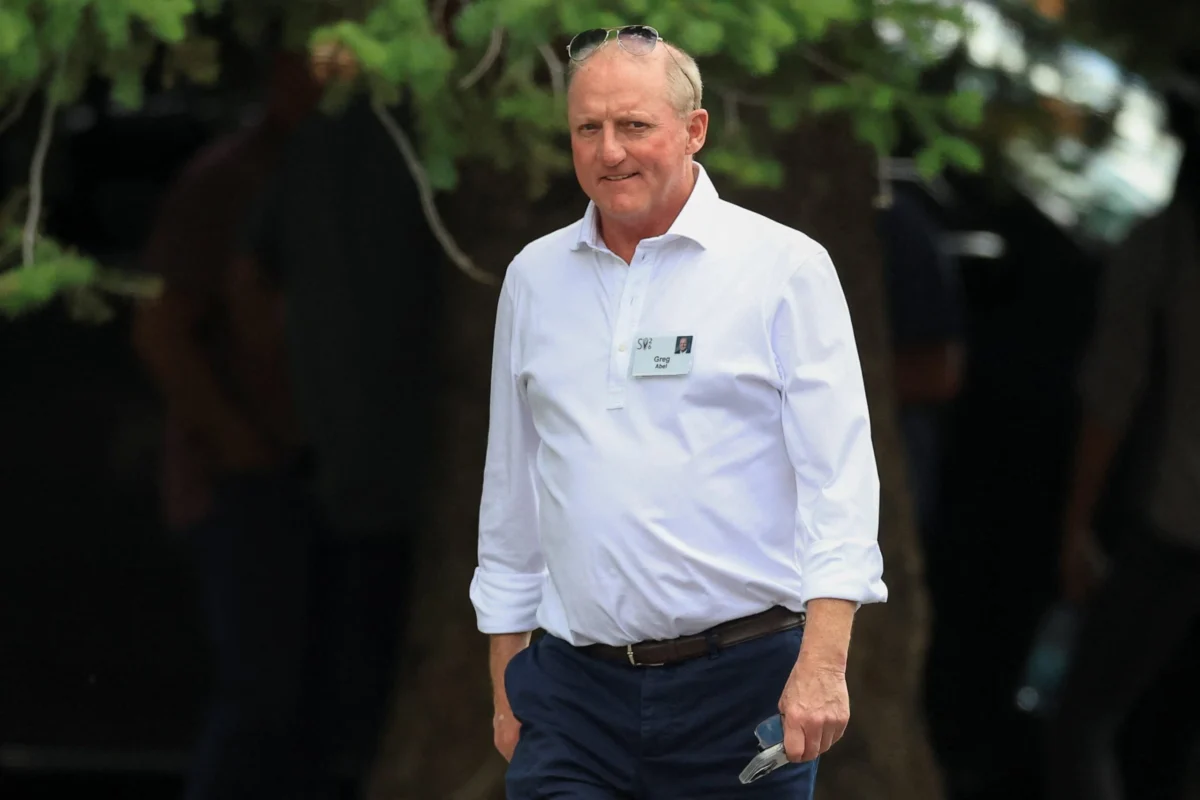
Berkshire Hathaway made several notable moves in the stock market during the third quarter, adding strategically to key positions while trimming others to navigate a complex and volatile economic backdrop. The Omaha-based conglomerate, which is now led by Chief Executive Officer Greg Abel, executed a series of calculated portfolio adjustments as broader financial markets grappled with rising geopolitical tensions, persistent inflationary pressures, and shifting monetary policy expectations from the Federal Reserve.
The third-quarter portfolio shifts offer a clear window into how Berkshire Hathaway is managing its massive capital allocation under its new leadership structure. Abel assumed the role of CEO at the start of this year, succeeding legendary investor Warren Buffett. Buffett, who is now 96 years old, continues to maintain a significant presence in the company, controlling roughly 13% of Berkshire common stock following a recent series of philanthropic contributions, including a $5.5 billion donation to nonprofit foundations. Even with the transition at the top, the conglomerate’s hallmark philosophy of patient, value-driven capital deployment remains clearly evident in its recent transactional decisions.
Among the most prominent moves during the quarter was a notable bet on the airline industry. Berkshire Hathaway increased its stake in Delta Air Lines by 12%, scooping up 7.13 million shares. This expansion brought the total value of the conglomerate’s position in the Atlanta-based carrier to $5.37 billion by the end of the third quarter. The decision to buy into the airline came precisely as Delta shares were experiencing a sharp downward correction. During the third quarter, Delta’s stock tumbled 11%, pressured heavily by a dramatic rise in jet fuel prices that stemmed from the outbreak of the U.S.-Iran war.
The geopolitical conflict sent shockwaves through the global energy markets and placed intense financial pressure on the entire airline industry. For Delta, the third-quarter slump marked its worst performance since the first quarter of 2025, when the stock plunged 28%. Compounding these industry-wide pressures, Delta announced last month that it was cutting its full-year earnings forecast, explicitly citing the unexpected surge in fuel costs as a primary headwind to its profitability.
However, Berkshire’s willingness to step in and buy the dip has already proven to be a shrewd investment maneuver. Delta shares have rebounded, rising 3.8% so far in the fourth quarter in stark contrast to the broader S&P 500, which has dropped 3.1% over the same period. Furthermore, Delta’s stock has climbed nearly 15% over the past month, validating the conglomerate’s contrarian approach to capitalizing on temporary market dislocations caused by exogenous geopolitical shocks.
Trimming Bank of America Amid Surging Interest Rates
While Berkshire found value in snapping up shares of a battered airline, the conglomerate simultaneously pulled back on one of its most treasured long-term banking holdings. Berkshire Hathaway trimmed its holding in Bank of America by nearly 6% during the third quarter, selling off more than $1.6 billion worth of the financial institution’s stock.
Bank of America shares faced considerable downward pressure throughout the third quarter, falling more than 4%. The banking sector as a whole was challenged by a rapid surge in interest rates, which climbed alongside stubbornly high inflation readings and heightened market expectations that the Federal Reserve would be forced to maintain a tighter monetary policy stance for a longer duration. The macroeconomic environment proved particularly punishing for fixed-income assets and long-duration yields. At one notable point in September, the yield on the benchmark 30-year Treasury bond surged above 5.6%, reaching its highest level since 2002 and triggering broad re-pricings across equities and credit markets.
Despite the substantial share sale, Bank of America remains one of Berkshire Hathaway’s cornerstone equity holdings. Even after trimming the position, the conglomerate’s remaining stake in the bank was valued at a massive $24.8 billion at the conclusion of the third quarter, underscoring that the transaction was a portfolio management decision rather than a wholesale exit from the investment thesis.
The third-quarter activity also featured other notable adjustments across Berkshire’s expansive portfolio. The conglomerate initiated a new position in Bending Spoons, expanding its footprint into software and technology services. Additionally, Berkshire nearly doubled its stake in slumping homebuilder Lennar during the latest quarter, doubling down on the residential construction sector even as high borrowing costs and elevated mortgage rates created a challenging operating environment for the housing market. These diverse moves collectively highlight that under Greg Abel’s leadership, Berkshire Hathaway continues to actively manage its vast capital reserves, seizing opportunities in temporarily distressed sectors while proactively managing risk across its portfolio.
| Source | : | Finance Poetry |
| Author | : | rifanmuazin |
| Editor | : | Finance Poetry Editorial Team |