
China to Maintain Rare Earth Exports to Europe Regardless of U.S. Trade Deal Status
BEIJING — China intends to keep exporting critical rare earth materials to Europe regardless of whether a broader U.S. trade deal with Beijing gets extended past January, signaling a deliberate effort by Chinese policymakers to stabilize commercial ties with the European Union amid ongoing global trade volatility.
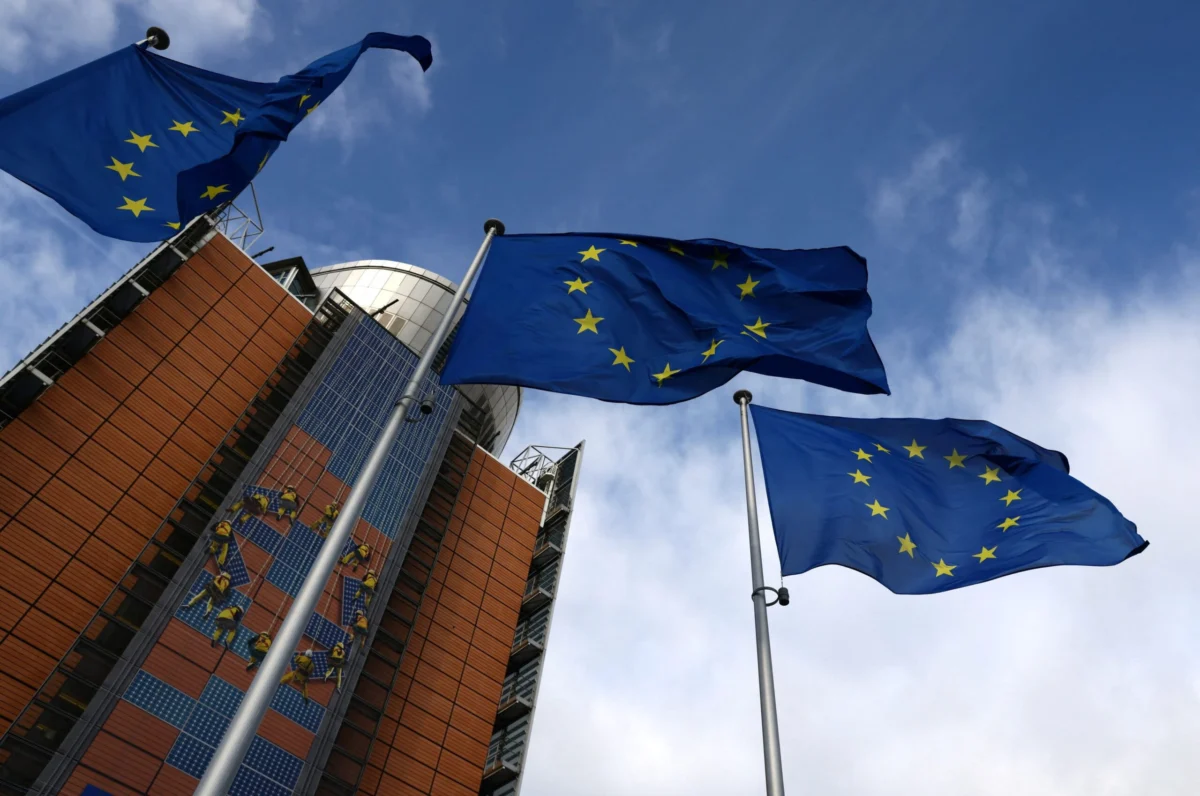
The world’s second-largest economy remains fully willing to continue approving rare earth export licenses destined for European markets, China’s Commerce Ministry spokesperson He Yadong told CNBC when asked during a regular media briefing about the potential impact of an upcoming U.S. trade deadline. The reassurance comes as European leaders gather in Brussels for a crucial two-day summit to review trade policy and negotiate the intricacies of economic engagement with Beijing.
Beijing’s commitment to maintaining the flow of critical minerals to Europe highlights a nuanced diplomatic approach, even as broader geopolitical tensions involving Washington continue to shape global supply chains. Last October, Beijing significantly tightened restrictions on all exports of rare earth elements, expanding its regulatory net to encompass products containing even just 0.1% of China-sourced rare earths.
That aggressive move by Chinese authorities followed closely on the heels of a new United States regulatory rule. The U.S. measure had expanded an American blacklist to cover majority-owned subsidiaries of Chinese companies already listed on restrictive entity lists, a policy adjustment that had the potential to impact roughly 20,000 Chinese business entities worldwide.
However, trade tensions between Washington and Beijing experienced a temporary reprieve when both economic superpowers agreed to suspend those strict measures for a period of one year. That breakthrough came during a high-stakes meeting in late October 2025 between Chinese President Xi Jinping and U.S. President Donald Trump. Ahead of the leaders’ subsequent summit last month, U.S. Treasury Secretary Scott Bessent confirmed that the fragile trade truce had been extended by an additional two months, pushing the critical decision window to January.
Against this complex backdrop of shifting U.S.-China dynamics, trade tensions between the European Union and Beijing began to cool last week. The diplomatic thaw followed a high-level official visit to Beijing by European Trade Commissioner Maroš Šefčovič, who met directly with Chinese Commerce Minister Wang Wentao.
During those intensive discussions in the Chinese capital, Beijing signaled its willingness to utilize a specialized "green channel" mechanism designed to ensure that critical rare earths keep flowing smoothly to European industrial partners. In exchange for this export stability, China has requested that the European bloc provide reciprocal support for Chinese imports of certain products falling within sensitive dual-use sectors.
As these complex trade arrangements continue to evolve, leadership figures within the European Commission are meeting in Brussels on Thursday and Friday. During their scheduled sessions, top European officials are expected to review the fine details and operational parameters of these ongoing trade negotiations with China, weighing the security of their critical mineral supply chains against broader geopolitical considerations.
| Source | : | Finance Poetry |
| Author | : | rifanmuazin |
| Editor | : | Finance Poetry Editorial Team |