
Southold’s Proposed Short-Term Rental Crackdown Sparks Debate Over North Fork Housing and Community Identity
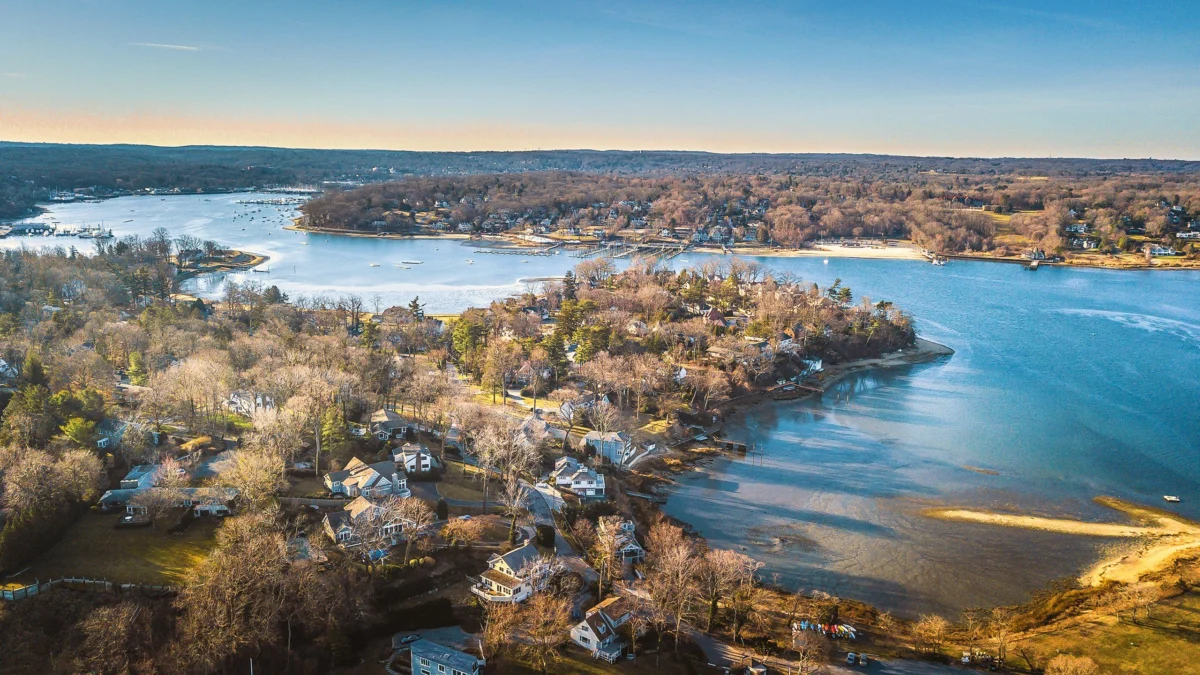
Long Island’s scenic North Fork has long offered a tranquil escape from the bustling pace of New York City, drawing weekenders, summer vacationers, and affluent buyers with its vineyards, historic hamlets, and sweeping waterfront vistas. But behind the serene facade of sandy beaches and sparkling blue waters, a fierce local debate is unfolding over the future of the region’s housing market.
At the center of the discussion is a newly proposed permit lottery by the town of Southold, which encompasses much of the North Fork. The regulation aims to dramatically curb the proliferation of short-term rentals, capping them at just 119 properties across the town’s hamlets for stays shorter than 30 days. This strict limit represents less than one-fifth of the 640 active vacation-rental listings recorded last October, putting local officials, real estate professionals, and property owners at odds over how best to balance community preservation with property rights.
The tensions were vividly illustrated even before a four-bedroom waterfront home on the North Fork officially hit the market. Diane Mollica, a real estate agent with the Gambino Group at Compass, recalls how her colleagues immediately began imagining alternative uses for the property as soon as they laid eyes on it.
"Several of them commented that it would be a fabulous rental property because it has all of the perks that you want on vacation," Mollica tells Realtor.com®.
It was easy enough to see their point. Beyond the home’s striking walls of glass stood a refreshing swimming pool, a private sandy beach, and the pristine waters of the Long Island Sound. Upstairs, a rooftop deck offered yet another picturesque view of the idyllic coastal landscape.
However, town leadership is increasingly determined to stem the tide of revolving vacation guests in residential neighborhoods, hoping the new measures will preserve housing stock for people who live and work in the area year-round. Yet, as similar restrictions implemented in cities around the world have shown, the results of such crackdowns are often mixed, raising questions about whether capping short-term rentals will genuinely alleviate housing affordability pressures.
A Town Fighting for Its Year-Round Community
Mollica knows firsthand what draws people to the North Fork. Roughly 25 years ago, she visited from Brooklyn for a weekend getaway and ended up falling so deeply in love with the area that she bought a house of her own.
"What I love about the North Fork is the people are very embracing. They’re very community-minded," she says.
While the region has historically attracted seasonal visitors, the COVID-19 pandemic triggered an unprecedented wave of newcomers who sought to put down more permanent roots. Many city dwellers fled urban centers in search of a safer, more spacious environment.
"People made a mad rush to the North Fork because they saw the opportunity really to live and not to shelter in place," Mollica recalls. "They enrolled their children in school. They got to know their friends and neighbors. … So a lot of those people stayed."
Over time, however, the dynamics shifted. While some families integrated fully into the local fabric, others eventually returned to the city, retaining their North Fork properties as second homes. This division has left year-round residents, seasonal homeowners, and short-term vacationers with competing visions for the community’s identity.
At an October civic forum, local residents voiced intense frustrations regarding the disruptions caused by transient visitors, complaining about rowdy pool parties, unauthorized weddings, heavy traffic, and an endless stream of unfamiliar faces coming and going through quiet neighborhoods.
"I’m in a residential community; this is where I want to live," one resident told local officials during the meeting. "I don’t want to live in a business district."
Compounding these lifestyle concerns is a severe and worsening housing affordability crisis. By the end of 2025, the median price of a single-family home on the North Fork reached a staggering all-time high of $999,000. That figure is more than eight times Southold Town’s median household income of $116,667, according to U.S. Census Bureau data. Meanwhile, an estimated 54% of town renters spent at least 30% of their incomes on housing alone.
The pinch is being felt across all segments of the local population, including those tasked with public service and governance. Town Councilwoman Alexa Suess, a Greenport native who campaigned heavily on housing affordability, revealed at a September housing forum that she would be forced to move out of the area after her landlord raised her monthly rent above $4,000.
"I don’t know anybody my age who I went to school with that is still here," she told attendees.
The Problem With Turning Vacation Homes Into Housing
Given these staggering financial barriers, intense scrutiny has inevitably fallen on the town’s massive share of vacation and seasonal properties. According to Southold’s 2023 Community Housing Plan, nearly 37% of the town’s total housing stock consisted of seasonal residences in 2020.
At first glance, those seasonal homes appear to represent a natural, untapped reservoir of housing just waiting to be integrated into the local market to solve the shortage. But Southold’s own regulatory history demonstrates just how complex it is to force those properties into long-term residential use.
The town initially banned stays shorter than 14 nights back in 2015, but local officials have persistently struggled to enforce the rule effectively. Subsequent housing studies identified short-term rentals as a contributing factor to the dwindling inventory for local workers.
Now, local lawmakers want to take a much harder line. The proposed regulatory framework would require formal permits for any stays shorter than 30 days, cap those permits at 1% of single-family homes in each individual hamlet, and dramatically strengthen enforcement mechanisms. If formally adopted by lawmakers, the new system could go into effect as early as January 2028.
The central question facing the community is what will happen to these high-end properties once renting them out on a short-term basis becomes legally restricted or financially unviable. When asked whether the strict new cap could flood Southold’s active for-sale market, Mollica offers a skeptical view.
"I’m going to say no," she asserts.
She notes that many of her clients already prefer monthlong or full-summer rentals and points out that she works with very few buyers who purchase properties solely to generate short-term rental income.
"Our clientele really come out to enjoy their home," she explains. "They spend their summers here. They’re looking forward to Thanksgiving and other holiday vacations here."
She shares the example of a family that previously relocated back to New York City for personal reasons but chose to hold onto their North Fork property as a second home. While they initially sought traditional seasonal renters, they ultimately turned to platforms like Airbnb when finding longer-term tenants proved too difficult.
"They wanted to rent it [out] … to supplement their income in order to carry the mortgage," Mollica says.
That supplemental income can be substantial. Data analyzed by AirDNA for Realtor.com shows that average summer nightly rates in Southold’s vacation-rental market climbed from $463 in 2019 to $764 in 2026, representing a dramatic 65% increase. Yet despite these high rates, the median summer reservation lasted a mere three nights.
"A 30-night minimum removes the weekend and short-stay premium, and a whole-season lease must cover all of an owner’s income in a single booking," notes Bram Gallagher, AirDNA’s director of economics and forecasting.
While some owners may ultimately decide that renting out their properties is simply no longer worth the bureaucratic hurdles, industry experts caution that this does not guarantee they will sell the homes or make them available to year-round tenants.
Alexander Marsella, an economist at Berry College, explains that the ultimate outcome depends heavily on an owner’s preferred alternative use for the real estate. If that alternative is maintaining the property exclusively as a private family getaway, he notes, "then restricting short-term rentals isn’t going to do much to improve housing affordability."
Real-world evidence from other regions that have implemented strict vacation rental curbs supports this assessment. A 2024 study examining Berlin’s housing market found that a crackdown targeting commercial operators—while leaving occasional hosts relatively untouched—did significantly increase the supply of long-term rentals.
However, New York City experienced a markedly different outcome following its stringent 2023 crackdown. Short-term listings on platforms like Airbnb plummeted by 87% across the five boroughs, yet local rents barely budged and conventional rental inventory showed no unusual long-term increase, according to Marsella’s August 2026 working paper, which has not yet undergone formal peer review.
Marsella suspects that the impact on year-round housing supply will likely be even more muted in a distinctly seasonal resort market like the North Fork.
"If I don’t see it happening in New York City so much, I feel like I would be less likely to see it happen in a seasonal market," he observes.
What Happens to the Homes Next?
Town officials have already conceded that restricting short-term rentals will not automatically dictate the future utility of these coveted properties.
"Owners are going to have to make a decision about what to do with the houses," Planning Director Heather Lanza stated back in 2024. "They can go to summer rentals or year-round."
At Mollica’s prominent waterfront listing, that crucial decision will soon rest in the hands of a new owner. The four-bedroom home is currently preparing to make its official market debut, and prospective buyers are already lining up with keen interest.
"I have several people that are waiting for the right property," Mollica says.
With its private swimming pool, direct beach access, and sweeping panoramic views of the Long Island Sound, the estate remains an undeniably enticing vacation retreat. Yet those exact same features could easily appeal to a buyer seeking to escape the city and plant permanent roots in a tight-knit community.
Mollica herself arrived on the North Fork for a spontaneous weekend visit nearly a quarter of a century ago and ultimately decided to stay for a lifetime. Whoever ultimately purchases the property may follow a similar path, or they may choose to use it strictly as a seasonal getaway for family holidays. While Southold’s newly proposed regulations will undoubtedly alter the legal landscape of how local properties can be utilized, whether this estate—and others like it—transforms into a year-round home will ultimately remain a deeply personal choice for the buyer.
| Source | : | Finance Poetry |
| Author | : | rifanmuazin |
| Editor | : | Finance Poetry Editorial Team |