
European Natural Gas Prices Climb Amid Persistent Winter Supply Concerns and Evolving Global Weather Forecasts
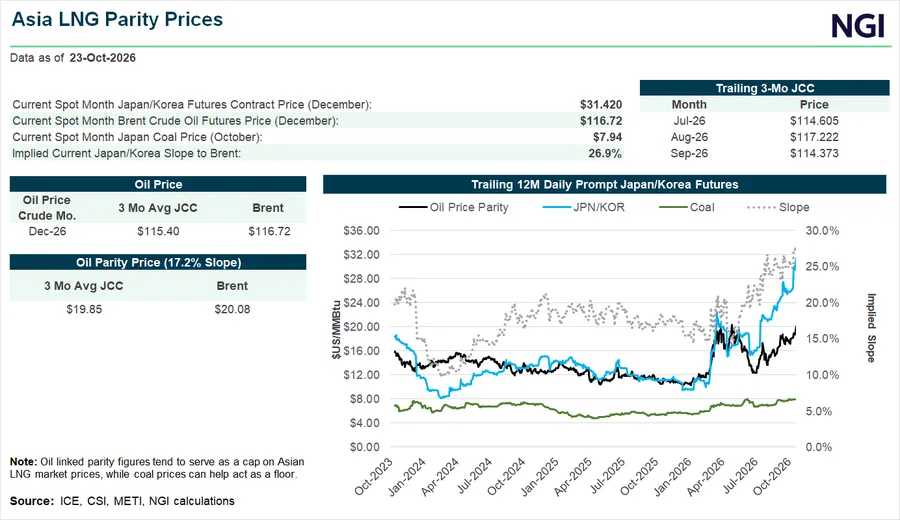
European natural gas prices climbed over the course of last week as market participants continued to grapple with persistent winter supply concerns, setting a cautious tone for the continent’s energy sector as the heating season approaches. The upward price movement reflects ongoing sensitivity in the market regarding inventory levels, geopolitical factors affecting pipeline flows, and the delicate balance of securing liquefied natural gas (LNG) cargoes from global producers to ensure adequate storage reserves through the colder months.
At the same time, shifting meteorological data introduced new variables into the global energy equation. Fresh weather forecasts released on Monday indicated a notable divergence in regional climate patterns. While northern Europe experienced a spell of unseasonable warmth, a temporary cold snap took hold in parts of Asia, driving localized spikes in spot market demand. However, updated meteorological models point toward a broader transition, suggesting that both the northern European warmth and the brief Asian cold spell are poised to give way to much milder weather conditions heading into early November.
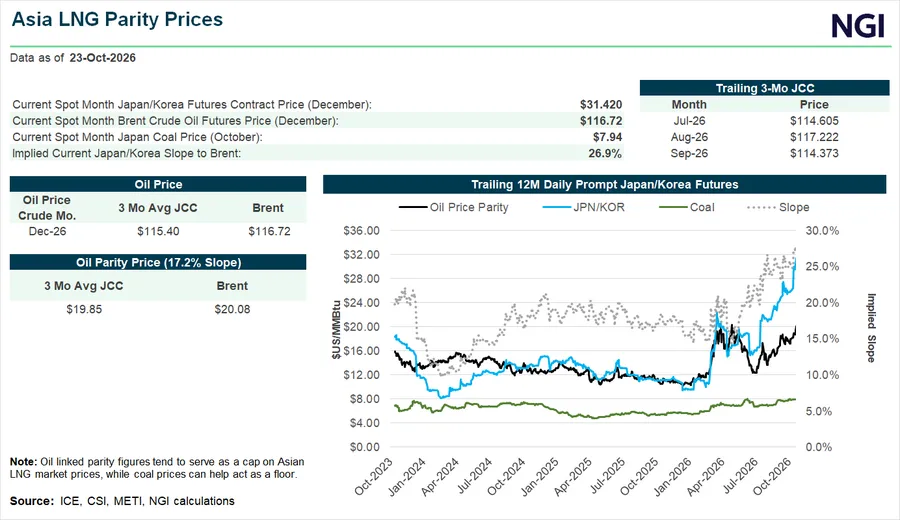
The interplay between European heating demand and Asian spot market competition remains a critical driver for pricing dynamics in the global LNG trade. As European utilities and traders work to fill underground storage facilities to mandated targets ahead of peak winter consumption, any hint of supply tightness or unexpected weather volatility can trigger immediate upward pressure on benchmarks. Conversely, milder forecasts—such as those projected for the beginning of November—offer potential relief by subduing near-term residential and commercial heating demand, thereby easing competition for flexible spot cargoes on the international market.
Market observers note that the European gas complex continues to operate in a high-alert environment following structural shifts in the continent’s supply architecture over recent years. With reduced reliance on Russian pipeline gas, Europe has become heavily dependent on global LNG imports, making regional prices acutely sensitive to weather patterns, shipping logistics, and demand trends in major competing Asian economies like Japan, South Korea, and China. When Asian buyers encounter colder weather—as observed in the recent temporary cold spell—the resulting competition for spot LNG carriers can quickly drive up freight rates and landed prices in Europe, reinforcing winter supply anxieties even during periods of relatively benign local weather.
As the market transitions from the shoulder months into the depths of the heating season, stakeholders will closely monitor weekly storage withdrawal rates, pipeline flows from domestic and international suppliers, and updated long-range meteorological models. While the projected milder conditions for early November could provide a welcome buffer for inventories, the underlying market fundamentals suggest that price volatility is likely to remain a persistent feature of the European energy landscape as winter weather patterns fully establish themselves.
| Source | : | Finance Poetry |
| Author | : | rifanmuazin |
| Editor | : | Finance Poetry Editorial Team |