
Mild European Weather Eases Supply Pressure on U.S. LNG Markets Amid Shifting Winter Outlooks
By Jacob Dick
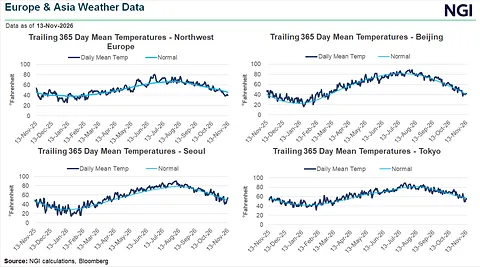
Unusually mild European weather is set to limit heating demand this week, easing immediate pressure on natural gas supplies in the region. As Europe remains the largest export destination for U.S. liquefied natural gas (LNG), the temporary reprieve in weather-driven consumption offers a welcome cushion for inventories before a potential colder turn later this month.
The current meteorological conditions across major European population and industrial centers have kept residential, commercial, and even certain industrial heating requirements significantly below seasonal norms. In the tightly interconnected global energy network, even minor temperature deviations in Europe can reverberate quickly across maritime shipping routes and domestic production hubs in North America. Because Europe has heavily relied on LNG imports to replace pipeline gas supplies over recent years, the continent’s weather patterns serve as one of the primary leading indicators for the health and direction of transatlantic energy trade.
At a Glance: Weather-Driven Demand Dynamics
Market participants tracking the European and Asian natural gas landscapes are closely monitoring these evolving weather models. While near-term forecasts point to continued mild conditions that will suppress prompt-month consumption, longer-range meteorological projections suggest that a more wintry, colder weather pattern could establish itself across parts of the continent as the month progresses.
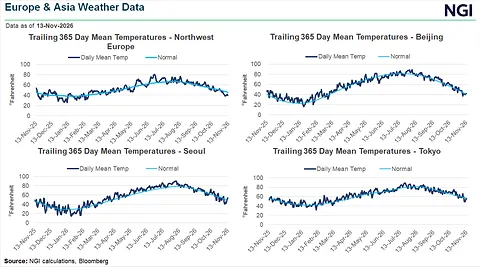
This prospective shift has created a nuanced supply-demand balance. On one hand, current mild temperatures allow regional storage facilities to preserve their withdrawal rates, keeping inventory levels healthier than they might otherwise be during the peak of winter. On the other hand, the looming threat of a sudden cold snap keeps market volatility alive, ensuring that traders and utilities maintain a cautious posture regarding future cargo bookings and spot-market purchases.
For U.S. LNG exporters, these shifting dynamics dictate how flexible volumes are priced and routed. When European demand softens due to unseasonably warm weather, cargo destination economics can fluctuate, occasionally influencing whether spot vessels remain anchored to Atlantic basin routes or look toward alternative markets in Asia. However, with Europe continuing to command the lion’s share of U.S. LNG exports, the local weather outlook remains an indispensable driver for terminal operations, feedgas deliveries from domestic shale plays, and overall pricing benchmarks on both sides of the Atlantic.
As meteorological agencies refine their forecasts for the latter half of the month, energy markets will continue to weigh the immediate relief of mild temperatures against the very real possibility of a late-winter cold surge. For now, the combination of subdued heating demand and steady logistics provides a stable operating environment for the global gas trade, even as traders prepare for a potentially more demanding operational landscape in the weeks ahead.
| Source | : | Finance Poetry |
| Author | : | rifanmuazin |
| Editor | : | Finance Poetry Editorial Team |