
Halloween Shopping Grows Costlier as Inflation, Supply Shrugs and Cocoa Pressures Hit Consumers and Brands Like Hershey
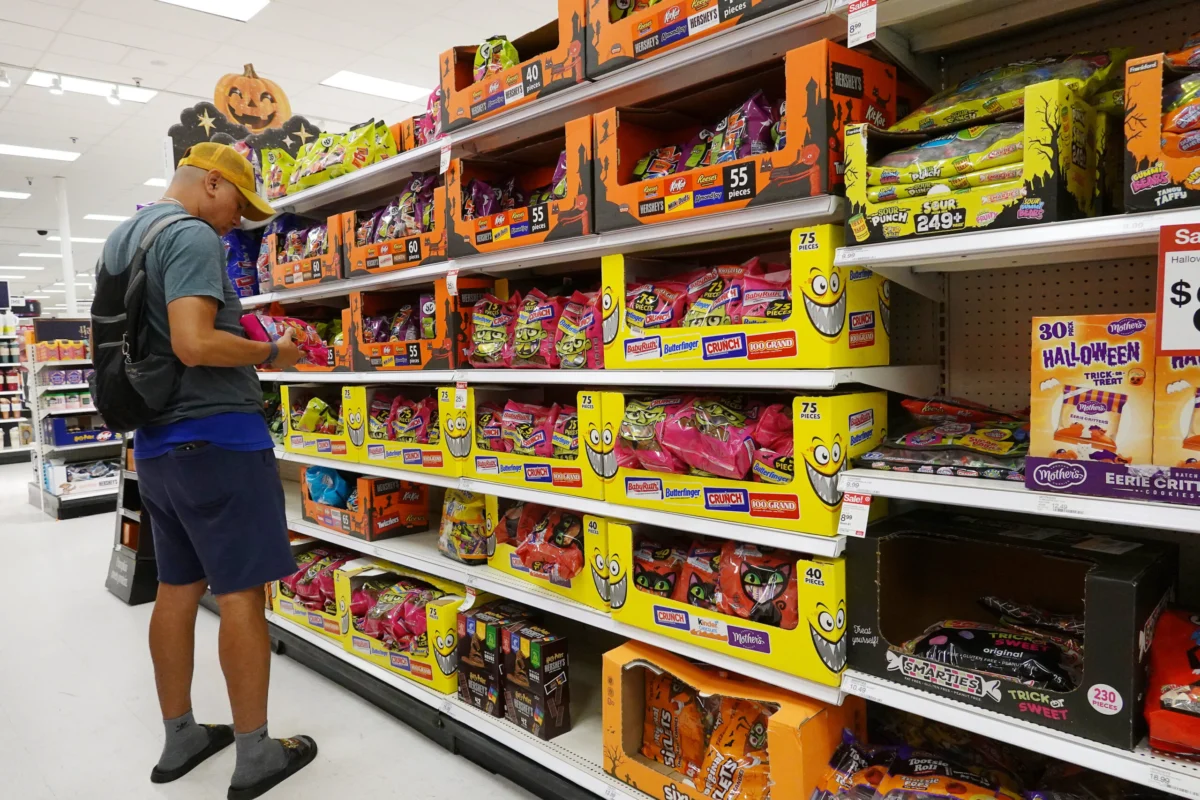
Halloween shopping got noticeably costlier this year as persistent inflation hit every corner of the seasonal market, stretching from the traditional candy bowl on the kitchen table to the jack-o’-lantern resting on the front porch. The broader economic strain has created a difficult environment for everyday consumers trying to maintain holiday traditions on a budget, while simultaneously presenting mounting challenges for major confectionery companies and corporate giants like Hershey.
Despite the economic headwinds, Americans are still expected to spend a staggering $13.5 billion on Halloween festivities this year. That figure marks an increase from last year’s previous record of $13.1 billion, according to data compiled by the National Retail Federation. However, the rise in total expenditure does not necessarily reflect an increase in physical volume or consumer abundance; rather, it highlights how much more shoppers are forced to pay for the exact same goods compared to previous years.
"Consumers continue to make Halloween a spending priority, but they are also approaching the season with affordability in mind," said Allison Zeller, NRF vice president of industry and consumer insights.
The inflationary wave has rippled through virtually every category associated with the October holiday, driving up the cost of costumes, decorations, and seasonal produce. Pumpkins, a quintessential symbol of the autumn season, have seen substantial price increases as well. The average retail price for a pumpkin reached $5.36 this year, representing an 11% jump from September 2020 pricing, according to data from the U.S. Department of Agriculture. Compounding these cost increases were significant agricultural challenges, including severe droughts that reduced crop yields by roughly 30% to 40% in parts of Texas, which serves as a major pumpkin-growing hub in the United States.
Candy and Chocolate
Candy remains one of the single largest household expenses during the Halloween season, and price increases in this category have consistently run ahead of broader food inflation rates, though the overall pace of increase has shown signs of slowing down recently.
Prices for candy and chewing gum were up 7.7% in September compared to the same period a year earlier, according to the latest Consumer Price Index data released by the government. Meanwhile, the broader sugar-and-sweets category increased by 5.5% over the same timeframe. Adverse weather patterns, including the disruptive impacts of El Niño, severely tightened the outlook for global sugar supplies. Unusually wet conditions heavily disrupted Brazil’s sugarcane harvest, while prolonged droughts and other weather extremes impaired production capacity in several other major growing regions around the world.
As Halloween swiftly approaches, candy stands out prominently in the grocery store aisles as one of the more expensive categories relative to prices paid by consumers last year, noted food economist Richard Volpe in a recent professional commentary. In past years, Volpe remarked that the holiday typically left him swimming with surplus treats. Instead, as the holiday arrived with only days to spare, he noted having a paltry three bags of candy sitting on his desk.
Early market data from Nielsen IQ illustrated the immediate consumer pullback, showing Halloween candy sales down 11.7% through September 19. Four weeks later, the rate of decline narrowed somewhat to 6.7%, with chocolate sales down 7.2% and non-chocolate confectionery items down 5.3%, according to the market research report.
Chocolate has proven to be the most vulnerable segment of the confectionery market, particularly following a major disruption in cocoa supplies originating from West Africa. The region was hit hard by poor growing conditions and disease pressures in Côte d’Ivoire and Ghana. Looking further ahead, the potential continuation of El Niño weather patterns and dry Harmattan trade winds threaten to place additional upward pressure on the upcoming 2026-27 West African cocoa crop.
There was some brief relief observed in global commodity markets after cocoa prices pulled back sharply from their historic all-time highs, according to observations shared by David Branch, sector manager at the Wells Fargo Agri-Food Institute. However, that notable drop in futures pricing has not yet translated into cheaper chocolate products on supermarket shelves.
Wells Fargo Agri-Food estimates that chocolate prices will average about 8% higher than they were during the previous Halloween season. Effective transaction prices are rising roughly 5% to 8% even after factoring in various retail promotions and discounts. Much of the chocolate lining store shelves for this Halloween season was manufactured using expensive cocoa beans purchased six to twelve months prior.
The worst of the global cocoa crisis has essentially passed, but tangible price relief has simply not reached store shelves yet, Branch explained to CNBC. For chocolate manufacturers, the principal issue for the current year is no longer simply raw cocoa availability; rather, it has shifted to the complex timing mismatch between falling futures markets, high-cost inventories already on hand, ongoing negotiations with major retailers, and consumer price elasticity.
Halloween chocolate dollar sales were down 7.2% from a year earlier through the nine-week period ending October 17, according to NIQ figures, with persistent weakness in traditional milk chocolate leading the broader market decline. NIQ estimates that Halloween chocolate sales dropped by $33.1 million compared to the previous year, with milk chocolate alone accounting for $34.4 million of that decline. Conversely, dark chocolate experienced a modest gain of $2.3 million. Overall sales across the entire Halloween candy, gum, and mint categories fell by 6.7%.
In an effort to juice sluggish sales volumes and clear inventory, major retailers have rolled out aggressive discounts. National chains such as Walmart and Target have introduced special flash deals and heavy price cuts on items spanning from bulk candy assortments to seasonal Halloween costumes.
Meanwhile, budget-conscious shoppers are clearly altering their purchasing habits by shifting toward smaller package sizes. Small candy packs containing nine ounces or less are up 24% in dollar terms and 14% in physical unit sales, whereas every larger package size category is experiencing a noticeable year-over-year decline, according to NIQ data.
Industry analysts at Wells Fargo expect that shoppers will increasingly favor value packs and alternative sweet treats that utilize less expensive cocoa ingredients, including gummy candies, sour treats, wafers, and caramel-based products. Consumers will continue buying holiday candy, but typical shopping baskets are likely to contain fewer individual chocolate pieces, a higher concentration of value-oriented multi-packs, and a greater share of gummies, sour products, wafers, caramel, and other lower-cocoa alternatives as households navigate persistent budget constraints, Branch noted.
Financial markets have reacted to the shifting retail landscape. Hershey stock posted gains as investors rotated out of artificial intelligence technology stocks and into safer consumer staple equities. However, Wall Street analysts increasingly see trouble brewing underneath the surface for the prominent candy maker.
The company, which reported its third-quarter financial results, lowered its full-year 2026 organic sales growth forecast down to 3%, trimming it from a previous projection range of 3% to 3.5%. That downward revision implies essentially flattish organic growth during the crucial fourth quarter, according to Jefferies analyst Scott Marks.
Hershey’s executive commentary during the earnings announcement was incrementally cautious, Marks added in a research note, pointing out that ongoing consumer pullback and manufacturing cost pressures are heavily weighing on the company’s near-term outlook.
The company is closely evaluating retail channels such as convenience stores, where consumers are heavily pressured and demanding more value, forcing manufacturers to drive pricing through bespoke promotions rather than relying on broad overall price decreases, Hershey CEO Kirk Tanner told analysts during the earnings conference call.
Following the cautious outlook, Marks lowered his price target on Hershey stock to $170 per share, joining a wave of similar target cuts enacted by major brokerages including DA Davidson, BNP Paribas, Bernstein, and Deutsche Bank. Consensus financial estimates tracking Hershey’s 2027 earnings fell by 3.7% down to $9.49 per share, according to aggregated data from FactSet.
| Source | : | Finance Poetry |
| Author | : | rifanmuazin |
| Editor | : | Finance Poetry Editorial Team |