
Housing Market Strains Push Builders to Offer Deep Incentives as Older Buyers Gain the Leverage
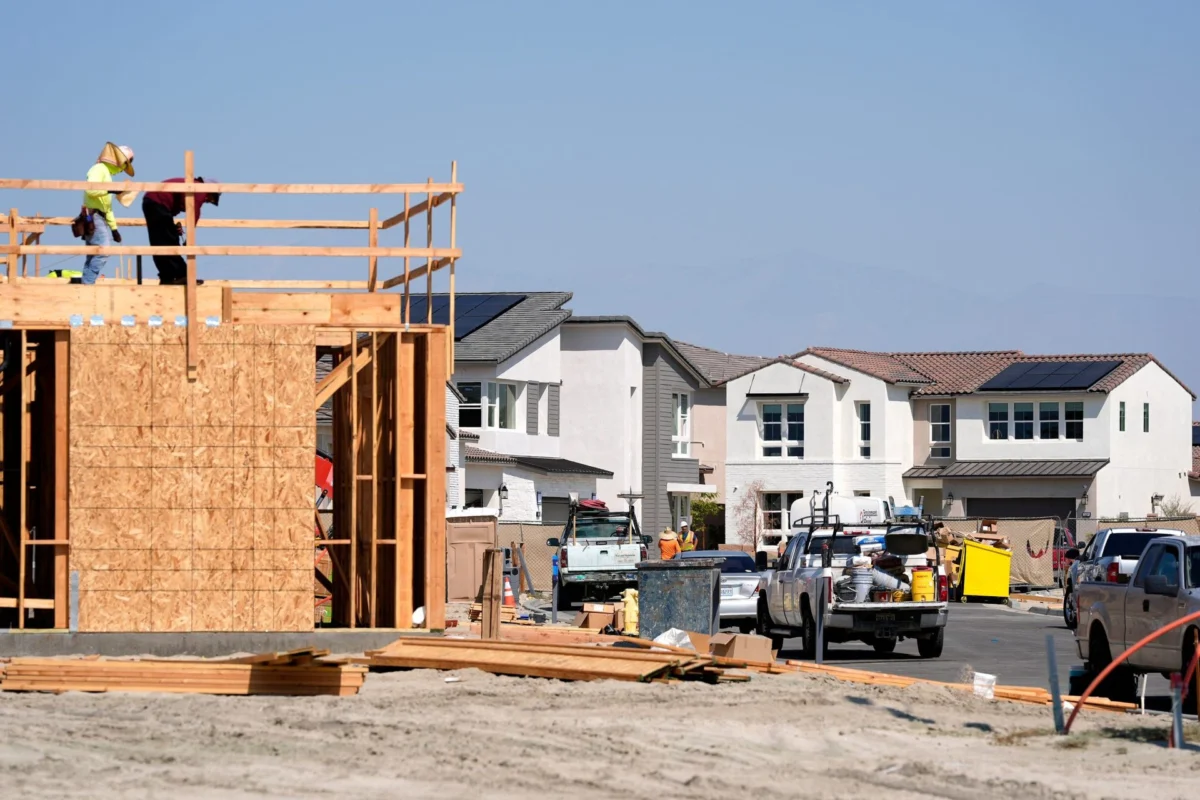
The American housing market is facing mounting pressure from elevated interest rates, creating a challenging environment for homebuilders while presenting a unique window of opportunity for financially secure, older buyers. PulteGroup, the major homebuilder recognized for its Del Webb active-adult communities, reported on October 22 that its third-quarter orders fell 6% compared with the same period a year earlier.
The decline underscores a broader nationwide trend as persistently high borrowing costs sideline a significant portion of prospective homeowners. The average 30-year fixed mortgage rate stood at 7.32% on October 22, a substantial increase from 6.19% a year prior. With financial forecasters repeatedly pushing back their timelines for when mortgage rates might experience meaningful relief, housing market participants are being forced to adapt to a higher-rate reality.
"The rapid increase in interest rates has stretched affordability even further," said PulteGroup CEO Ryan Marshall in the company’s third-quarter earnings release. Marshall also pointed out that these higher rates have created secondary hurdles, making it increasingly difficult for prospective buyers to successfully sell the homes they already own before attempting to purchase a new property.
Despite the headwinds facing the broader housing sector, certain segments of the market are demonstrating notable resilience. PulteGroup executives told analysts that sign-ups among active-adult buyers actually rose 11% from a year earlier, even as the company’s total order volume experienced a downturn. Today, move-up buyers and active-adult purchasers together account for more than 60% of PulteGroup’s total business volume.
This demographic trend provides a distinct advantage for shoppers aged 55 and older. Armed with substantial equity built up in their current homes, these buyers are finding that a combination of a large down payment and a homebuilder eager to keep sales moving can translate into serious leverage at the negotiating table.
Builders are paying to close sales
PulteGroup is far from alone in navigating a cooling market. According to the National Association of Home Builders’ October 2026 Housing Market Index survey, builder confidence dropped to a reading of 29, marking its lowest level since June 2012.
To combat sluggish demand and clear out inventory, builders are increasingly turning to financial concessions. The survey revealed that approximately 43% of builders cut prices—representing the highest share for any month since the beginning of 2020—with average price cuts hovering around 6%. Furthermore, 65% of builders relied on sales incentives to draw hesitant buyers across the finish line.
Mortgage rates remain the primary catalyst behind these shifts. As borrowing costs linger well above historical averages from previous years, prospective buyers are finding themselves priced out of conventional financing structures unless substantial interventions are made by the sellers.
A bigger down payment can unlock bigger builder help
For older buyers with significant equity, the structure of modern home financing offers a distinct advantage regarding how much assistance a builder is legally permitted to provide. When a conventional mortgage is sold to Fannie Mae, strict regulatory caps dictate the maximum amount that a seller or homebuilder can contribute toward a buyer’s closing costs. Crucially, that allowable cap scales upward as the buyer’s down payment grows larger.
Under current Fannie Mae guidelines for primary residences and second homes, interested party contributions are capped at 3% of the purchase price when the loan covers more than 90% of the property’s value. That cap expands to 6% when the loan falls between 75% and 90% of the value, and reaches a maximum of 9% for buyers putting down 25% or more, resulting in a loan-to-value ratio of 75% or less.
To put this into perspective, consider the math on a $500,000 home. A buyer putting down less than 10% is limited to a maximum of $15,000 in builder-paid financing assistance. In contrast, a downsizer or active-adult buyer putting down 25% or more can qualify for up to $45,000 in builder-paid help.
While these regulatory caps represent strict ceilings rather than guaranteed promises—and builder contributions can never exceed the buyer’s actual closing costs—they establish the financial boundaries within which buyers can negotiate. Meanwhile, all-cash buyers face no financing constraints whatsoever, allowing them to redirect that negotiating power entirely toward securing a lower purchase price or upgraded features.
Price cut or rate buydown
When negotiating incentives with builders, buyers generally encounter choices regarding how those financial concessions are applied, most notably between price reductions and interest rate buydowns.
A temporary interest rate buydown lowers the borrower’s monthly payment for the initial years of the loan term. According to Fannie Mae regulations, a temporary rate reduction can be no more than 3 percentage points, can last for a maximum of three years, and must increase by no more than 1 percentage point per year. Additionally, lenders are still required to qualify the underlying borrower at the full, unreduced note rate.
Alternatively, a permanent buydown involves purchasing discount points upfront to permanently lower the interest rate for the entire life of the loan. Buyers who intend to remain in the home long-term and hold onto the mortgage often find greater value in a permanent rate reduction. Conversely, those who expect to pay down or pay off the loan quickly using the proceeds from selling a previous home may come out ahead by negotiating a lower purchase price instead. A lower purchase price reduces the overall loan size and, in many municipal jurisdictions, lowers the baseline valuation used to calculate starting property taxes. Buyers are generally advised to request that builders price out each alternative in exact dollar amounts to determine the best fit.
Compare the builder’s lender with an outside one
Homebuilders frequently sweeten their promotional deals by tying their most aggressive financial incentives to the use of an affiliated mortgage lender. While these package deals can be enticing, financial professionals recommend that buyers thoroughly vet the offers.
Industry experts suggest requesting a formal Loan Estimate from the builder’s affiliated lender, as well as from at least one independent financial institution, ensuring that each quote is based on the exact same loan amount, loan term, and rate lock period. Borrowers can then directly compare interest rates, discount points, and total closing costs across the competing offers.
Beyond financing terms, buyers are also encouraged to evaluate the physical product itself. Industry data shows that between 2015 and 2025, newly constructed homes generally decreased in physical size while the price per square foot surged by 71.9%. Consequently, a promotional incentive applied to a smaller modern floor plan may not always deliver better long-term value than an existing resale home that might require minor cosmetic updates.
Read the community rules before signing
For older adults looking at specialized active-adult neighborhoods, navigating the regulatory framework of age-restricted communities requires careful attention. Under federal fair housing legislation overseen by the Department of Housing and Urban Development, a community operating as housing for older persons must satisfy specific criteria. At least 80% of the occupied units must have at least one resident who is 55 years of age or older, the community must publish and adhere to policies demonstrating an intent to provide housing for older persons, and management must routinely verify the ages of residents.
Within those broad federal parameters, individual communities establish their own internal bylaws and homeowner association regulations. Prospective buyers are advised to inquire in writing about specific occupancy policies, such as whether an adult child or a younger spouse would be permitted to reside in the home, while also reviewing the homeowners association’s historical fee increases and reserve fund health.
Reflecting on broader market conditions, CEO Ryan Marshall’s observations regarding the difficulties homeowners face in selling existing properties highlight the importance of contractual protections. Before signing any binding purchase agreements, buyers are encouraged to explore whether builders will accept contract contingencies tied to the sale of their current home, or whether they can negotiate a reduced earnest money deposit while their old residence remains on the market. Ensuring that every negotiated incentive is explicitly detailed in the purchase agreement with a clear dollar value attached remains a crucial step in safeguarding the transaction.
| Source | : | Finance Poetry |
| Author | : | rifanmuazin |
| Editor | : | Finance Poetry Editorial Team |