
Chancellor Healey Delivers Autumn Budget 2026: What It Means for Small Businesses
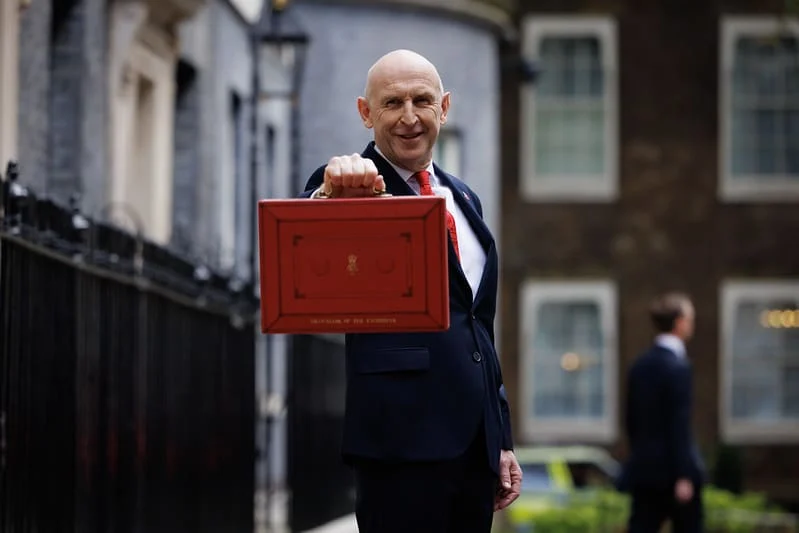
Chancellor Healey has delivered his first Autumn Budget at Number 11, unveiling a wide-ranging package of tax changes, regulatory updates, and support measures designed to shape the UK economy. For the nation’s small and medium-sized enterprises (SMEs), the announcements present a mixed picture of targeted relief, new compliance obligations, and significant cost pressures that have drawn a sharp response from business leaders and trade organisations across the country.
The economic backdrop to the Chancellor’s speech highlighted ongoing challenges, including rising inflation and gas prices that have nearly tripled since February, leading to higher running costs and loan rates for businesses. Despite these hurdles, the Office for Budget Responsibility (OBR) pointed to the UK remaining the fastest-growing economy in the G7, upgrading growth forecasts to 1.2% for the year and 1.6% by 2031, while projecting that the fiscal headroom will reach £15 billion by 2030. Within this macroeconomic framework, the government introduced several key provisions specifically aimed at entrepreneurs, high-growth founders, and everyday business owners.
Key Announcements for Entrepreneurs and Growing Businesses
Among the headline measures is the introduction of the Young Entrepreneurs Allowance, a government pilot scheme designed to support the next generation of business leaders by covering a full year’s worth of living expenses. For the country’s high-growth sector, the Chancellor announced Founders’ Relief, which will establish a 10% tax rate on lifetime gains of up to £10 million for the founders of Britain’s most successful firms starting in April 2027.
Smaller operations and side businesses will see a welcome adjustment to the point at which new ventures are required to pay tax. The trading allowance threshold is set to rise from £1,000 to £3,000. This change will be introduced through the Finance Bill 2026/27 and will take effect from April 6, 2027.
In terms of capital investment, current full expensing rules remain in place, though adjustments have been made to specific allowances. The main rate of the writing-down allowance is scheduled to decrease by two percentage points to 12% from April 2027, while the main rate of the First Year Allowance will increase from 40% to 50%. Meanwhile, the threshold on business disposal assets relief within capital gains tax has been reduced from £1 million to £500,000.
Business Rates and Sector-Specific Measures
Business rates reform formed a substantial part of the Chancellor’s address, particularly concerning retail, hospitality, and leisure (RHL) properties in England. The Small Business Rates Relief threshold for RHL properties is increasing from a range of £12,000 to £18,000 up to a range of £18,000, bringing an estimated 70,000 additional businesses into total exemption from business rates. For larger RHL businesses, the rate threshold for tapered relief is rising from £15,000 to £21,000. Both increases take effect from April 2027, and the government has confirmed there will be no above-inflation rate increases for any RHL business.
These changes build upon the earlier 20% rate cut applied to pubs, clubs, and live music venues. Furthermore, the Transitional Relief Supplement is being extended by two years from April 2027, and the Supporting Small Business Scheme in England will continue for another year for those who received it in 2023. However, business rates relief will be removed from vaping shops and adult gaming centres starting in April 2027, and work is currently underway to develop a General Anti-Avoidance Rule (GAAR) for business rates in England. Additionally, local authorities will be given the option to impose an Overnight Visitor Levy, commonly referred to as a tourist tax, with 100% of business rates expected to be retained in local authorities by the end of the decade.
Employment, Wages, and Regulatory Updates
Labour and employment policies will see notable shifts in the coming years. A 3.9% increase in both the National Living Wage and the National Minimum Wage has been confirmed, taking effect from April 1, 2027. The National Living Wage will rise to £13.21 per hour, while the National Minimum Wage will increase to £11.27 per hour for 18 to 20-year-olds, and to £8.31 per hour for 16 to 17-year-olds and eligible apprentices. The accommodation offset is also set to rise by 3.9% to £11.53 per day.
In a move addressing parental rights, eligible self-employed fathers, partners, and adopters will receive parental pay for the first time starting in April 2029.
Motorists and transport-dependent businesses received positive news as the 55p per mile tax rate on the first 10,000 miles of car and van travel for work is made permanent. The higher mileage rate applied above 10,000 miles is increasing from 25p to 35p per mile, and the freeze on fuel duty has been extended to July 2027.
On the administrative and tax compliance front, the government is setting out an implementation roadmap to make VAT e-invoicing mandatory from April 2029. Additionally, online marketplaces such as Amazon and Temu will become legally responsible for collecting VAT on sales made by UK VAT-registered businesses, as well as any other UK business meeting a minimum annual sales threshold per platform of £90,000. These rules will exclude personal sales, second-hand goods, and business-to-business transactions.
To ease administrative burdens, the government intends to simplify how small businesses bid for contracts. It will also streamline Office for National Statistics business surveys to reduce data requests and implement a single data submission measure known as "Tell us Once."
Industry Reactions and Expert Commentary
Despite targeted support for specific sectors and emerging entrepreneurs, the Budget has met with a cautious and critical response from broader industry bodies and financial experts who argue that everyday small businesses face mounting financial pressures without adequate relief.
Theo Chatha, chief financial officer at Bibby Financial Services, described the announcement as a "bare minimum Budget" that failed to deliver what SMEs need to thrive. He noted that while retail, hospitality, and leisure require support, the wider SME economy—including manufacturers, construction firms, wholesalers, hauliers, and service providers—remains burdened by high taxation. Chatha also highlighted the impact of wage increases, stating that while fair pay is essential, the cost has been shifted onto small businesses that are already absorbing previous employer National Insurance increases.
Kevin Fitzgerald, UK managing director at Employment Hero, welcomed the expansion of business rates relief but cautioned that the 3.9% minimum wage increase will cause anxiety for employers operating on tight margins. Similar concerns were echoed by Adam Owens, head of tax for UK North and Midlands at Xeinadin, who warned that guaranteed higher payroll costs without guaranteed sales increases could force businesses to raise prices, reduce staff, or postpone investments.
Tina McKenzie, national chair of the Federation of Small Businesses (FSB), offered a similarly stark assessment, pointing out that the Budget provided no direct assistance for sky-high energy bills or the costs associated with hiring staff. Referencing recent FSB research indicating that small businesses are significantly more likely to expect shrinking revenues and reduced headcounts in the coming months, McKenzie argued that the measures fell short of changing a gloomy economic outlook.
Luke Cheetham, founder and CEO of uRisk Safety Services, suggested that alternative mechanisms, such as a temporary employer National Insurance rebate for businesses taking on additional staff, would have provided more direct encouragement for workforce expansion. As businesses digest the full scope of the Chancellor’s announcements, attention will now turn to the practical implementation of the upcoming Finance Bill and the long-term impact these policies will have on the broader small business landscape.
| Source | : | Finance Poetry |
| Author | : | rifanmuazin |
| Editor | : | Finance Poetry Editorial Team |