
Nasdaq Composite Plunges Into Correction as Political Shifts and AI Policy Concerns Shake Tech Stocks
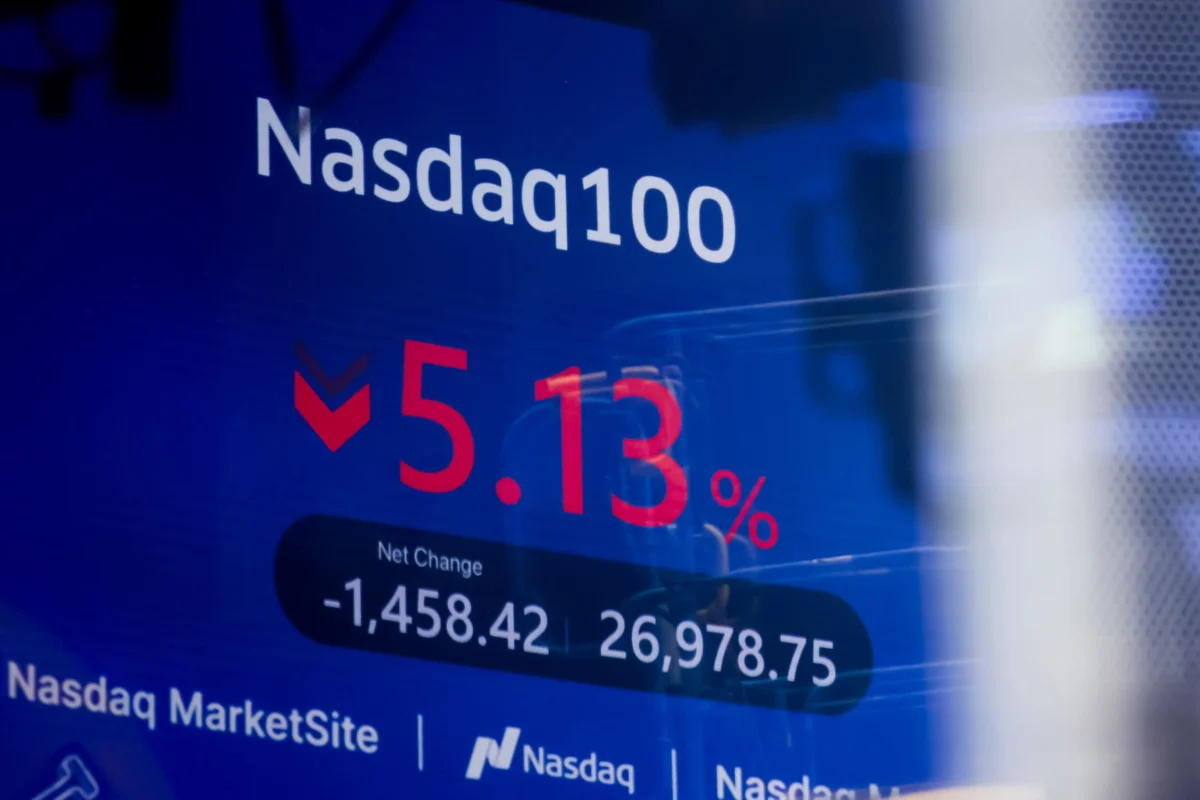
The Nasdaq Composite tumbled sharply into correction territory on Thursday, driven by a wave of selling that swept across high-flying technology and semiconductor equities. While historical market patterns suggest that further near-term turbulence could lie ahead for investors, past market data also indicates that a recovery typically takes hold within three months of such pullbacks.
The tech-heavy index slid more than 5% during Thursday’s trading session, closing more than 11% below the record high it achieved just last month. On Wall Street, any market decline that exceeds 10% from recent peaks is classified as a correction, while a pullback of 20% or more qualifies as a bear market.
An analysis of 10 previous market correction episodes over the last decade reveals a familiar pattern of short-term pain followed by eventual recovery. Significant selloffs observed during 2025, 2022, 2020, and 2018 were each followed by further rough selling over the immediate one-month period. However, the Nasdaq managed to return to rally mode after six months in all of those historical instances with just one notable exception: the severe downturn of 2022.
Across those historical corrections, the Nasdaq gained an average of 9.41% from its correction bottom over the following three months, and that average return expanded to 17.03% over a six-month horizon.
The January 2022 correction stands out as the primary historical outlier that offered a much harsher outcome for investors. During that cycle, the Nasdaq lost an additional 18.3% over the subsequent six months and remained down 24.3% a full year later, weighed down by a shifting macroeconomic environment characterized by rapidly rising interest rates.

The immediate catalyst for this latest market correction was the outcome of Tuesday’s midterm elections, which resulted in Democrats sweeping control of both the House and Senate. Beyond the national congressional results, the party also made significant political gains at the state level, most notably in Texas. In that closely watched race, Gina Hinojosa won the election for governor after campaigning heavily on an immediate moratorium for new data center development across the state.
Following these political developments, investors are now urgently weighing whether tighter state-level restrictions and regulatory hurdles could significantly slow down the rapid pace of data center construction. Such a slowdown threatens to put sustained pressure on hardware providers, utility suppliers, and various other companies closely tied to the broader artificial intelligence trade.
Frank Cappelleri, founder of market research firm CappThesis, pointed to past midterm election cycles for historical guidance and found that the political shift likely points to heightened volatility in the near term as well. The veteran chart analyst noted that the Nasdaq has historically traded higher 12 months after a midterm election in all but one of the 13 midterm cycles recorded since 1974.
However, Cappelleri emphasized that investors must remain mindful of the path the market takes to get there. The caveat, he noted, is that the historical path to those 12-month gains can be a remarkably volatile one.
As an example, Cappelleri pointed back to 2018, when the Nasdaq initially rallied the day after Democrats won control of the House of Representatives. That initial relief rally was eventually followed by a sharp and painful December sell-off. Despite that severe winter pullback, the index ultimately finished about 15% higher a year after the midterm election took place.
The friction between political shifts and high-tech infrastructure was acutely felt across the semiconductor sector on Thursday. Chip stocks suffered a severe downturn, with the iShares Semiconductor ETF plummeting 12% in a single session. Market historians noted that the steep drop marked the exchange-traded fund’s worst single-day performance since the initial panic of the Covid-19 pandemic outbreak in March 2020.
| Source | : | Finance Poetry |
| Author | : | rifanmuazin |
| Editor | : | Finance Poetry Editorial Team |