
Passenger train derails in India, leaving four injured
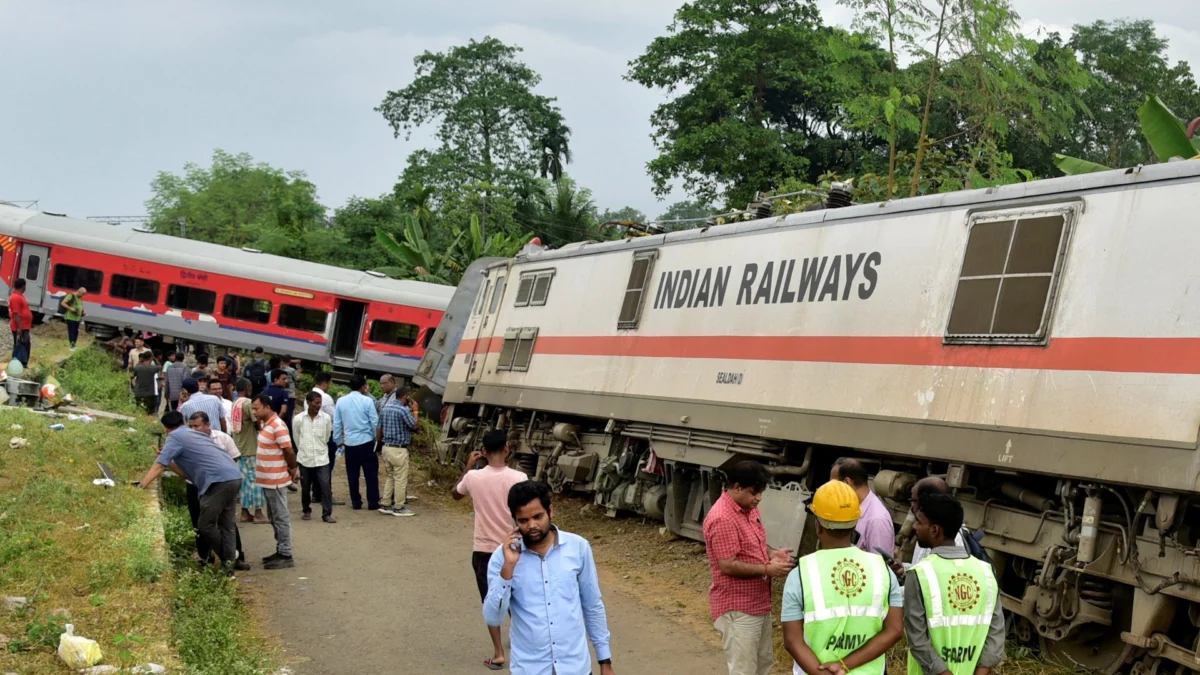
A dramatic passenger train derailment in India’s northeastern state of Assam has left four people injured, following what authorities have described as a sudden and unexpected braking malfunction. The incident, which occurred on November 11, 2026, was captured on video from inside the driver’s cabin, offering a firsthand look at the terrifying moments leading up to the disaster. Despite the frightening nature of the derailment and the immediate panic that ensued among passengers, local railway officials and emergency responders quickly confirmed that all passengers on board ultimately escaped serious harm, with only minor injuries reported across the board.
The footage from the driver’s cabin provides critical insight into the sequence of events that transpired just before the train left the tracks. As the locomotive moved along the regional route in Assam, the video records the sudden onset of technical difficulties related to the braking system. The unexpected failure left the operating crew with very little time to react, highlighting the immense challenges faced by railway workers when mechanical anomalies occur on active lines. Rail safety experts examining such incidents often point out that braking problems on moving passenger trains require immediate, high-pressure intervention, and the cabin recording underscores the tense environment inside the locomotive during the critical seconds leading up to the impact.
Following the derailment, local authorities, emergency medical teams, and railway maintenance crews were swiftly dispatched to the scene to secure the area and assess the damage. Initial reports from the site confirmed that four individuals sustained minor injuries during the sudden jolt and subsequent departure of the train from the rails. Medical personnel on the scene evaluated the injured passengers, providing first aid and ensuring that anyone requiring further precautionary medical attention was transported to nearby local health facilities. Fortunately, despite the structural impact to the derailed carriages, transport authorities were keen to emphasize that all passengers were safe, averting what could have been a far more catastrophic disaster.
The incident in Assam adds to ongoing discussions surrounding railway safety and infrastructure maintenance across India’s vast and heavily utilized rail network. India operates one of the largest railway systems in the world, carrying millions of passengers every single day across thousands of routes. Maintaining the mechanical integrity of aging rolling stock, upgrading signaling systems, and ensuring rigorous pre-departure checks remain paramount priorities for transport ministries and railway operators striving to minimize operational hazards. Mechanical failures, such as the braking problem reported in this case, serve as stark reminders of the complex logistical and engineering challenges involved in managing daily transit over varied and sometimes difficult terrain.
As investigations into the exact cause of the braking malfunction continue, railway engineers and safety inspectors are analyzing both the cabin video footage and the physical components of the train’s braking assembly. Transport authorities typically review such events thoroughly to determine whether the failure stemmed from a localized component defect, wear and tear, or broader maintenance oversights. These technical evaluations are vital for formulating corrective measures, issuing safety bulletins to other regional divisions, and preventing similar occurrences on the network in the future. Meanwhile, local rail services in the affected corridor experienced temporary disruptions as work crews labored to clear the tracks, repair damaged infrastructure, and restore normal traffic flow to the vital transportation link in Assam.
| Source | : | Finance Poetry |
| Author | : | rifanmuazin |
| Editor | : | Finance Poetry Editorial Team |