
San Francisco Fed President Mary Daly Expects Further Rate Hikes Amid Strong Jobs Report, Persistent Inflation
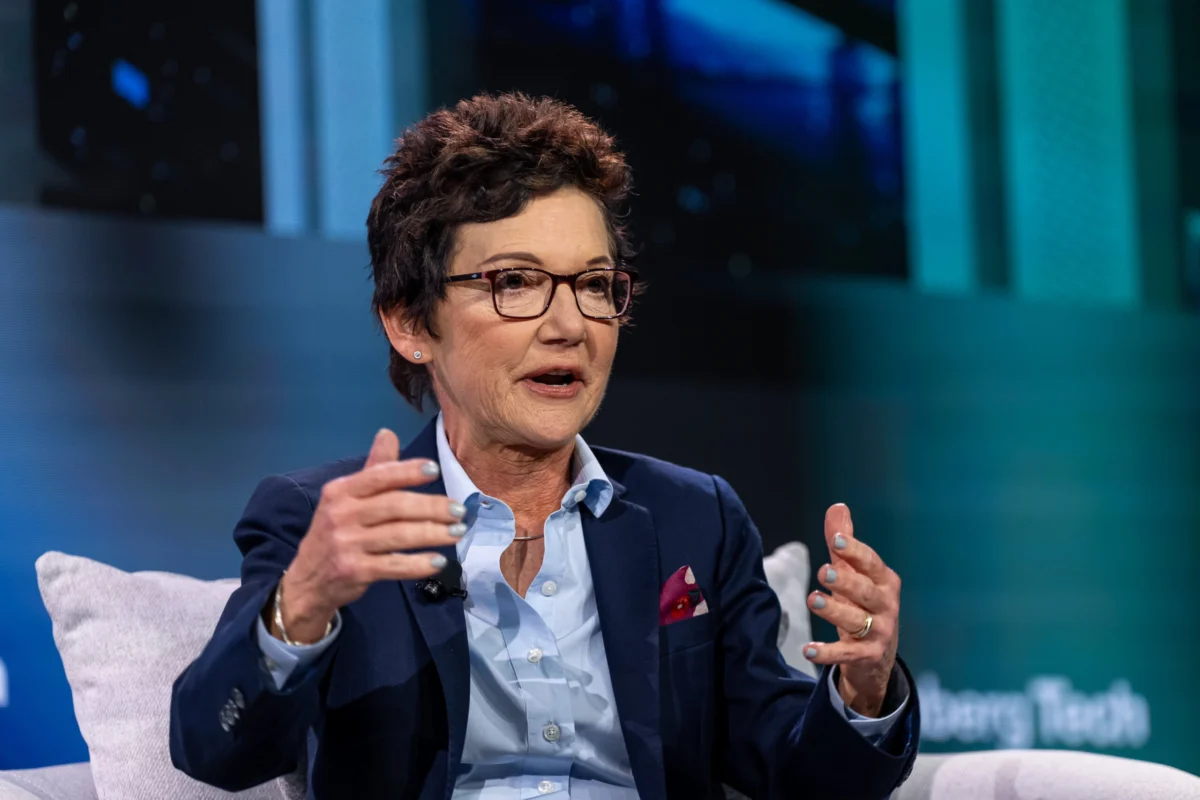
San Francisco Federal Reserve President Mary Daly stated on Friday that she anticipates the central bank will need to implement further interest rate increases to combat persistent inflation, though she joined her fellow policymakers in emphasizing that the exact pace and timing of those future moves remain uncertain.
Speaking during a live interview with CNBC’s Steve Liesman, Daly outlined her perspective on the current macroeconomic landscape, highlighting both the surprising resilience of the American labor market and the grinding financial pressure that rising consumer prices continue to place on everyday households. While the central bank evaluates incoming economic data, Daly made it clear that she is fully prepared to support additional policy tightening if the data demands it.
"My expectation is we’re going to have to tighten policy further. Exactly when and how much is still to be decided because we just have to take all the variables that are coming in," Daly told CNBC. "More is likely to be needed, and certainly… I’m prepared to do that if that’s what the economy calls for."
Daly’s remarks arrived on the exact same day that the Bureau of Labor Statistics released its closely watched employment metrics for October. The report revealed that the U.S. economy added 165,000 jobs during the month, while the national unemployment rate—widely regarded as the single most critical labor-market variable monitored by Federal Reserve officials—edged lower to 4.1%.
Those headline figures substantially outpaced the consensus forecasts generated on Wall Street. Job creation for the month of October came in at nearly triple the initial Dow Jones consensus estimate, surprising analysts who had anticipated a more pronounced cooling in hiring activity amid prior monetary policy tightening.

Reflecting on the unexpected strength of the labor market, Daly characterized the report as "good news for American workers," pointing out that individuals looking for employment continue to find stable opportunities and maintain their spending habits. However, she quickly tempered this positive assessment by drawing attention to the heavy burden that inflation continues to place on household finances across the country.
The latest economic data highlights a persistent disconnect between wage growth and the cost of living. According to the Bureau of Labor Statistics, average hourly earnings rose by 3.1% on an annualized basis in October. However, this wage growth continues to be outstripped by broader consumer price pressures. The consumer price index (CPI) inflation rate for September stood at 3.7%, meaning that nominal wage gains are failing to translate into genuine purchasing power for American families.
"They see that they can get jobs, they continue to spend. They’re not out of the game, but they are on a treadmill of high inflation," Daly explained during her interview. "This has been high for too long, almost six years, and we’re really starting to feel the burden of that spread everywhere."
Daly clarified that while she does not harbor broad concerns regarding overall economic growth, she remains deeply worried about the stubborn persistence of inflation and its corrosive effect on household balance sheets. She emphasized that a stable job market does not automatically equate to financial progress for workers if their earnings fail to keep pace with the rising cost of everyday goods and services.
"The job market remains stable and solid, but not booming, and you see real wages falling because those wages are not really keeping up with inflation," Daly said. "I think that’s the crux of this. Good news on the jobs front, not so clear that Americans are going to gain ground in the labor market."
The broader monetary policy debate has centered on how aggressively the central bank should act to cool price pressures without tipping the broader economy into a downturn. At its policy meeting in September, the rate-setting Federal Open Market Committee (FOMC) voted to increase the central bank’s benchmark overnight borrowing rate by a quarter of a percentage point, pushing the target range to between 3.75% and 4%.

That move marked a continuation of the Federal Reserve’s historic monetary tightening cycle aimed at cooling pandemic-era inflation. However, at its most recent policy gathering, the committee opted to pause and decline to follow up that September hike with another immediate move. Officials stated at the time that they preferred to wait for the accumulation of more economic information before determining their next steps.
Daly, who is slated to vote on the policy-setting committee next year, expressed strong support for this cautious, data-dependent approach. She noted that she continues to favor a gradual policy trajectory that allows officials to assess how previous rate increases are filtering through the broader financial system and the real economy.
"I was really supportive and completely thought that that was the right move to move in September," Daly said, reflecting on the quarter-point increase. "I also think that it was good to be on hold at the last meeting because the world is filled with uncertainty."
Daly’s cautious stance aligns with commentary from other regional Federal Reserve leaders. Richmond Fed President Thomas Barkin stated earlier in the week that he likewise envisions a path forward that involves further interest rate increases, though he similarly underscored that the precise timeline for those hikes remains open-ended and contingent upon incoming economic reports.
As the Federal Reserve navigates the complex interplay between robust employment data and entrenched inflation, officials like Daly are signaling that the central bank’s work to stabilize prices is not yet finished. While American workers continue to benefit from a resilient job market capable of producing job gains well above expectations, the ongoing struggle against elevated inflation ensures that the debate over the future path of interest rates will remain central to economic policy discussions in the months ahead.
| Source | : | Finance Poetry |
| Author | : | rifanmuazin |
| Editor | : | Finance Poetry Editorial Team |