
SEC Proposes Sweeping Overhaul of Consolidated Audit Trail to Curb Costs and Federalize Oversight
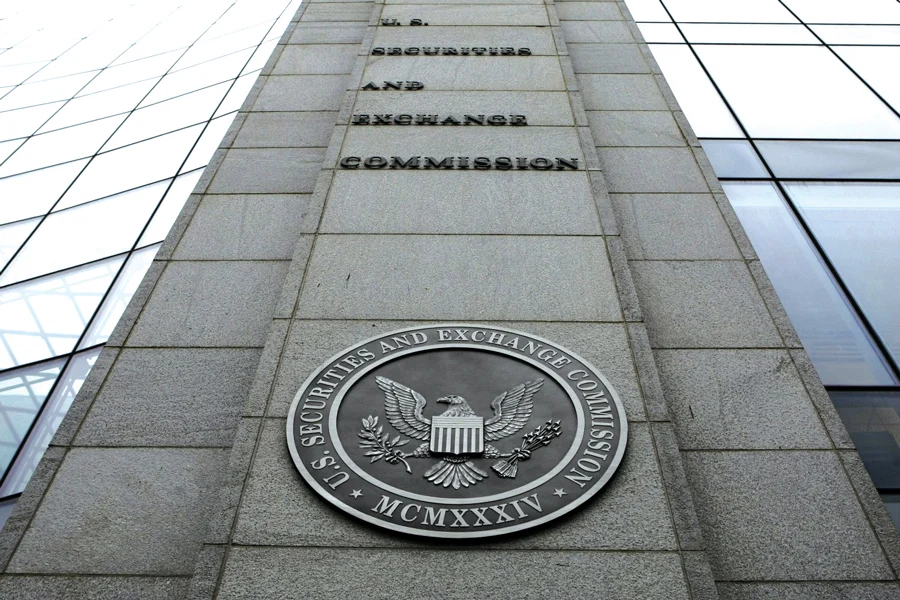
In a move set to reshape the infrastructure of the American financial markets, the U.S. Securities and Exchange Commission (SEC) has unveiled a comprehensive proposal to restructure the Consolidated Audit Trail (CAT). The initiative, announced on November 20, 2026, marks a definitive shift toward direct federal control of the massive regulatory database, which is tasked with tracking equity and options orders across U.S. markets. By proposing the rescission of Rule 613 of Regulation NMS—the foundational mandate that required national securities exchanges and self-regulatory organizations (SROs) to build and maintain the system—the SEC aims to eliminate a decentralized governance model that has been plagued by ballooning costs and industry-wide friction.
The proposed transition seeks to replace the current industry-funded model with one supported by congressional appropriations. For years, the CAT has operated under a structure where the costs of its development and maintenance were passed down to the SROs and, ultimately, to the broker-dealers who report to it. This arrangement has drawn sustained criticism from market participants who argue that the lack of direct federal oversight led to inefficient spending and recurring cost overruns. By shifting the CAT’s budget into the federal sphere, the SEC aims to strip out more than $100 million in annual operating costs, promising a more disciplined and accountable fiscal approach.
A System Under Fire
The Consolidated Audit Trail has been a flashpoint in the financial industry since its inception, serving as a constant source of regulatory and operational tension. While the system was designed to provide the SEC with unparalleled visibility into market activity to better detect illegal trading patterns and maintain market integrity, the implementation phase proved to be a difficult and expensive endeavor.
The tension surrounding the system reached a boiling point in recent years. By September 2025, the SEC was forced to approve a series of emergency cost-cutting measures, granting conditional exemptive relief to the SROs tasked with managing the CAT. This move allowed these organizations to scale back certain operational requirements, an admission that the existing framework was no longer sustainable. At the time, SEC Chairman Paul Atkins offered a blunt assessment of the situation, acknowledging that "the costs of operating the CAT have ballooned beyond belief." This acknowledgment set the stage for the more radical restructuring proposal introduced in late 2026.
Beyond the financial strain, the CAT has faced intense scrutiny regarding data privacy. In an era of heightened cyber threats, the concentration of sensitive financial data within a single repository has raised significant alarm. A high-profile sensitive-data lapse at the SEC previously intensified calls from industry stakeholders to strip the CAT of retail investor identifiers. Responding to these pressures, the Commission took steps earlier this year to permanently eliminate the reporting of personally identifiable information (PII) to the system.
Industry groups, most notably the American Securities Association (ASA), have been vocal in their opposition to the CAT’s data collection practices. ASA President and CEO Chris Iacovella lauded the SEC’s new proposal, characterizing the previous system as a "honeypot of sensitive investor information." According to Iacovella, the existing decentralized structure not only exposed American investors to potential state-sponsored cyber threats but also facilitated a form of warrantless government surveillance that the association has long sought to curtail. The SEC’s pivot toward a more centralized, federally controlled, and leaner version of the CAT is seen by these critics as a necessary corrective measure.
What the Proposal Would Change
The core of the SEC’s plan is embodied in the proposed Rule 17a-26 under the Securities Exchange Act of 1934. Under this new rule, the obligation to report trade data would shift from the current independent, participant-managed national market system plan to a direct reporting mechanism. Broker-dealers and SROs would be required to record and electronically transmit substantially the same information as they do now, but the recipient would be the Commission or its designated agent.
This structural change is intended to decouple the CAT from the consortium of exchanges and SROs that have historically managed it. By transitioning to a system funded by congressional appropriations, the SEC intends to bring the database under the direct budgetary discipline of the federal government. Chairman Atkins has emphasized that this proposal is fundamentally about placing the CAT on a "sustainable footing," ensuring that the governance is transparent and the costs are strictly managed.
The proposal follows an extensive period of self-reflection and public consultation. Earlier in 2026, the SEC issued a concept release to solicit feedback on the future of the CAT. The feedback gathered from that effort revealed a broad consensus among investors and market participants that the SEC should take a more direct role in managing the system. The proposed rule is the culmination of that internal review, signaling a departure from the "self-regulatory" oversight model that many in the industry found insufficient for a system of this size and importance. The Commission has opened a 60-day public comment period following the publication of the proposal in the Federal Register, inviting further input before the rule is finalized.
Advisor Implications
For financial advisors and wealth managers, the restructuring of the CAT carries significant, albeit nuanced, compliance implications. At the most fundamental level, the SEC has signaled that it intends to maintain the core regulatory functionality of the database. The underlying data reporting obligations for broker-dealers are expected to remain in place with minimal disruption to daily workflows. The SEC’s primary goal is not to reinvent the technical process of reporting trades, but to reform the governance and cost structure that surrounds it.
However, the shift in accountability is a notable change for the industry. By moving the CAT into the SEC’s formal budget, the oversight responsibility shifts from a consortium of private, self-regulatory organizations to a single federal regulator. For years, observers have argued that the decentralized structure created misaligned incentives, as those managing the costs were often the same entities responsible for reporting them. By forcing the system into the SEC’s budget, the federal government aims to impose the kind of fiscal discipline that market participants have demanded for years.
For advisors whose broker-dealer partners or custodians are primary contributors to CAT operating costs—often through Section 31 fees or direct investments in reporting infrastructure—the changes could have downstream effects. While the SEC is targeting a reduction in the overall $100 million annual cost burden, the specific mechanism for how these costs will be restructured remains a subject of intense interest. The final impact on advisory firms will depend heavily on the specific language of the final rule and how broker-dealers adjust their own operational cost-recovery models in response to the new federal structure.
As the industry prepares for this transition, the SEC has yet to provide a definitive timeline for the finalization of the rule. For now, firms are closely monitoring the comment period, assessing how the shift from a decentralized industry-run utility to a federally managed system will alter the regulatory landscape. The move represents a rare instance of an agency actively seeking to consolidate control in the name of efficiency and cost reduction, a shift that will likely dominate the compliance discourse for the foreseeable future.
| Source | : | Finance Poetry |
| Author | : | rifanmuazin |
| Editor | : | Finance Poetry Editorial Team |