
Treasury Yields Slide as Democratic Midterm Gains Spur Equity Sell-Off and Growth Concerns
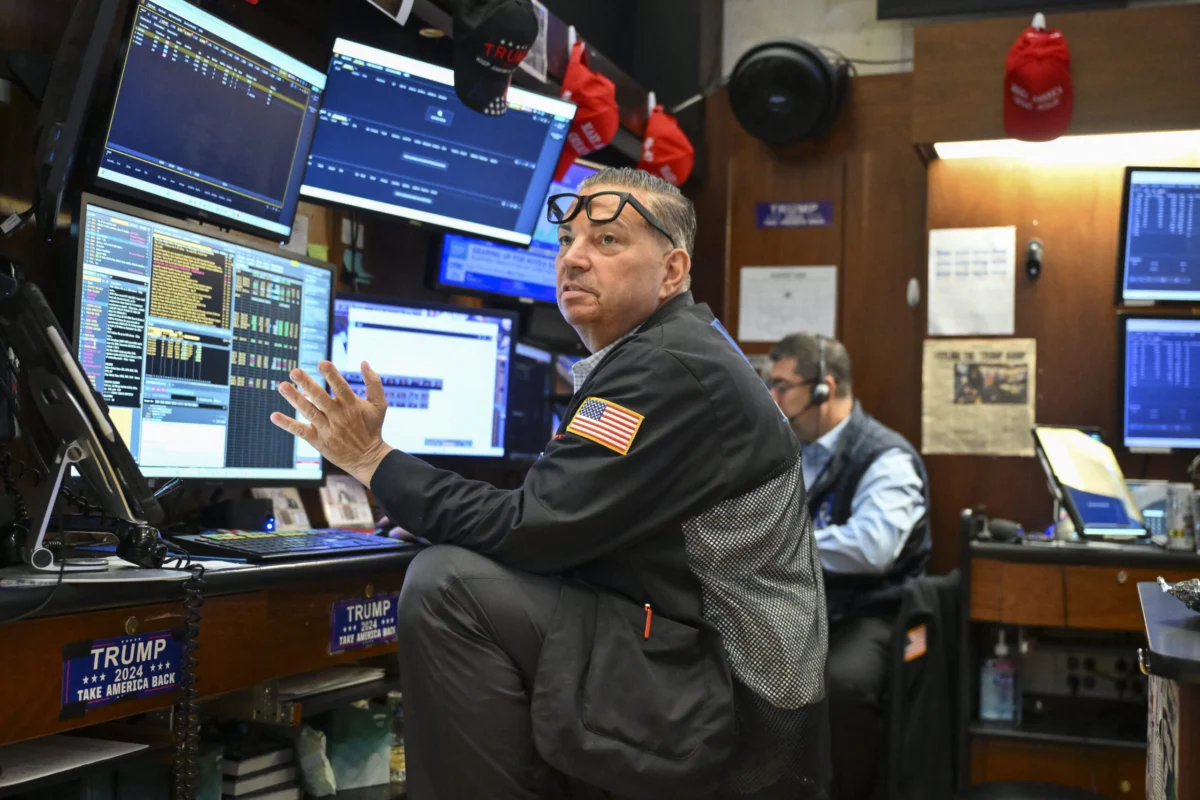
Treasury yields moved lower on Wednesday as investors sought shelter from a sharp sell-off in equity futures, a market reaction sparked by potential major victories for the Democratic Party in the United States midterm elections. The shift in fixed-income markets underscored a sudden flight to safety on Wall Street as traders reassessed the political landscape and the prospective policy implications for the broader economy, corporate taxation, and specific high-flying market sectors.
The benchmark 10-year Treasury note yield was last seen 3 basis points lower at 4.9167%. Concurrently, the 30-year bond yield slid 3 basis points to 5.29%, reflecting a moderate flattening and tightening across the long end of the yield curve as investors priced in changing macroeconomic forecasts. Meanwhile, the shorter-term 2-year note yield was broadly flat at 4.6101%, demonstrating how short-term rate expectations tied directly to Federal Reserve monetary policy remained relatively anchored despite the immediate electoral turbulence.
In fixed-income mechanics, one basis point equals 0.01%, or one-hundredth of a percentage point, and yields and prices move inversely to one another, meaning that as yields declined on Wednesday, bond prices rose in response to robust safe-haven demand.
The catalyst for the defensive positioning in Treasuries and the simultaneous retreat in stocks stemmed from incoming election results indicating significant Democratic momentum across the country. According to the CNBC Election Desk, Democrats appeared to be on course for a clean sweep, with the party winning at least the House of Representatives and projected to secure control of the Senate as well.
The political map shifted dramatically overnight as returns poured in from key battleground states. The Associated Press reported that Democrats successfully flipped several crucial Senate seats from Republican incumbents, scoring decisive victories in Iowa, Kansas, North Carolina, Ohio, South Carolina, Maine, and Texas. These widespread legislative gains caught many market participants by surprise, as consensus expectations heading into the midterms had often pointed toward a more divided government, which Wall Street historically favors to maintain legislative gridlock and prevent sweeping policy overhauls.
As the election results rolled in through the overnight session and into early morning trading, stock futures fell sharply, reflecting immediate anxiety among institutional and retail investors alike. Contracts tied to the broader S&P 500 index were seen 0.17% lower, while technology-heavy Nasdaq-100 futures slid 0.25%. The downside pressure in equity futures highlighted how quickly sentiment can pivot when macroeconomic and regulatory assumptions are upended by unexpected political outcomes.
Particular strain was visible within the technology sector, where artificial intelligence-related shares—which have served as the undisputed leaders of the ongoing bull market—paced the overnight decline. Market analysts pointed to mounting fears among investors that a unified Democratic government might pursue policies that would slow down the rapid data center buildout currently sweeping the nation. The expansion of artificial intelligence infrastructure has relied heavily on massive capital expenditures for specialized chips, high-powered servers, and expansive physical data centers that consume vast amounts of energy. A shift in political power could potentially bring stricter environmental regulations, tighter oversight on energy consumption, or altered tax incentives that might cool the blistering pace of AI infrastructure development.
The interplay between the bond market and equity futures on Wednesday highlighted the delicate balance investors must maintain as political risks materialize. While falling Treasury yields typically signal economic deceleration or a flight to safety, the downward movement on Wednesday was explicitly tied to political realignment rather than an immediate shift in core inflation metrics or employment data. Market participants will now look ahead to upcoming economic data releases and official commentary from policymakers to gauge whether the initial market volatility will translate into lasting structural trends or if Wall Street will stabilize once the final tally of the midterm elections is fully certified.
| Source | : | Finance Poetry |
| Author | : | rifanmuazin |
| Editor | : | Finance Poetry Editorial Team |