
Trump blames Iran war for midterms losses
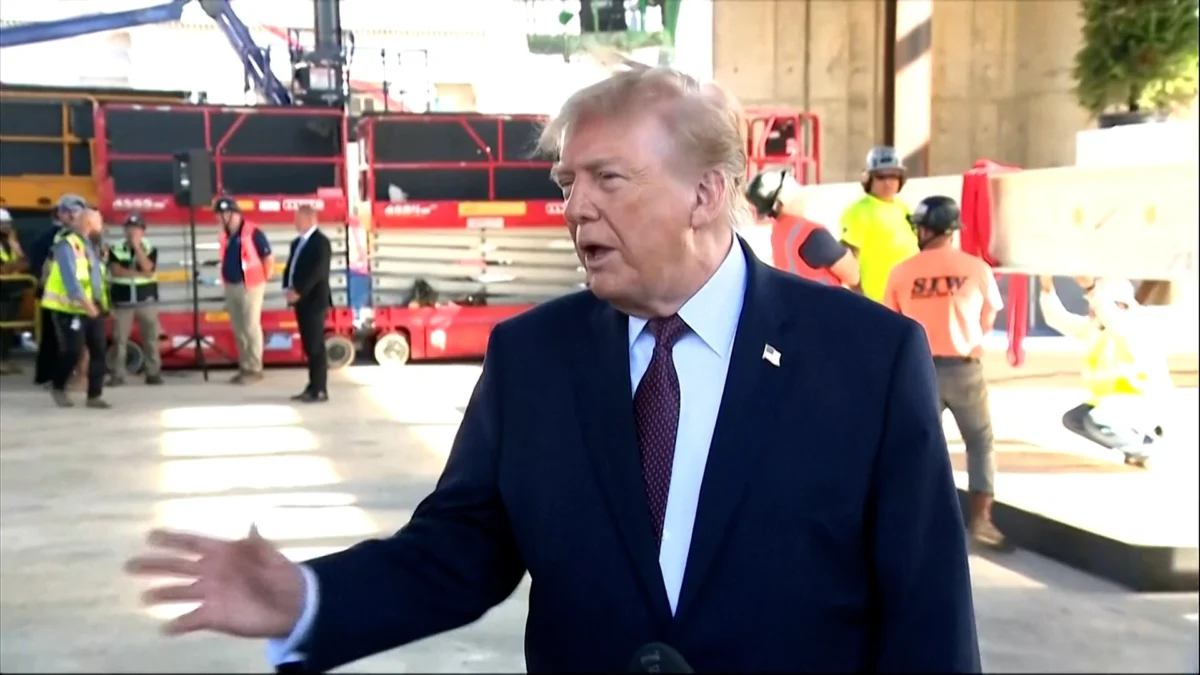
The admission comes in the wake of midterm election results that saw shifts in legislative momentum and presented notable challenges for Republican candidates nationwide. Economic concerns have historically served as a decisive factor in American midterm cycles, and the rapid fluctuation in energy costs proved to be no exception. As motorists faced steep increases at filling stations in the weeks leading up to the vote, the economic fallout became a central theme of the campaign season, frequently overshadowing other legislative and policy achievements that the administration had hoped to highlight.
Despite the clear political toll exacted by the energy market volatility and the broader consequences of the conflict, President Trump remained entirely defiant regarding his administration’s foreign policy choices. When pressed by members of the media about whether he would alter his approach to the Middle Eastern nation in hindsight, the president made it unmistakably clear that he stood by his decisions, telling reporters that regarding Iran, he would "do it again."
The steadfast stance underscores the administration’s overarching national security philosophy, which has consistently prioritized a hardline posture against Tehran, even when confronted with domestic political headwinds. While advisors and strategists weigh the electoral consequences of foreign engagements, the president’s remarks signal that strategic objectives in the region will continue to take precedence over short-term political calculations.
Political analysts have noted that the interplay between foreign policy decisions and domestic economic realities remains one of the most potent forces in United States politics. When international conflicts disrupt global supply chains and drive up the cost of crude oil, the downstream effects are felt almost immediately by consumers, transforming complex geopolitical strategies into kitchen-table issues for voters standing in the voting booth.
The midterm elections have historically served as a referendum on the sitting administration, and the recent outcomes suggest that the burden of economic pressures—magnified by energy market instability—weighed heavily on the minds of the electorate. As the administration looks ahead to the remainder of its term, the political landscape has been reshaped by these legislative and electoral shifts, leaving both parties to recalibrate their strategies in response to the clear message sent by voters.
Nevertheless, with his declaration that he would repeat the same actions despite the electoral backlash, President Trump has signaled that his administration’s core foreign policy doctrines remain unchanged, setting the stage for continued debate over the true cost of international conflict both abroad and at home.
| Source | : | Finance Poetry |
| Author | : | rifanmuazin |
| Editor | : | Finance Poetry Editorial Team |