
U.S. Oil Prices Rally as Trump’s Stance on Iran Dims Hopes for a Swift Resolution
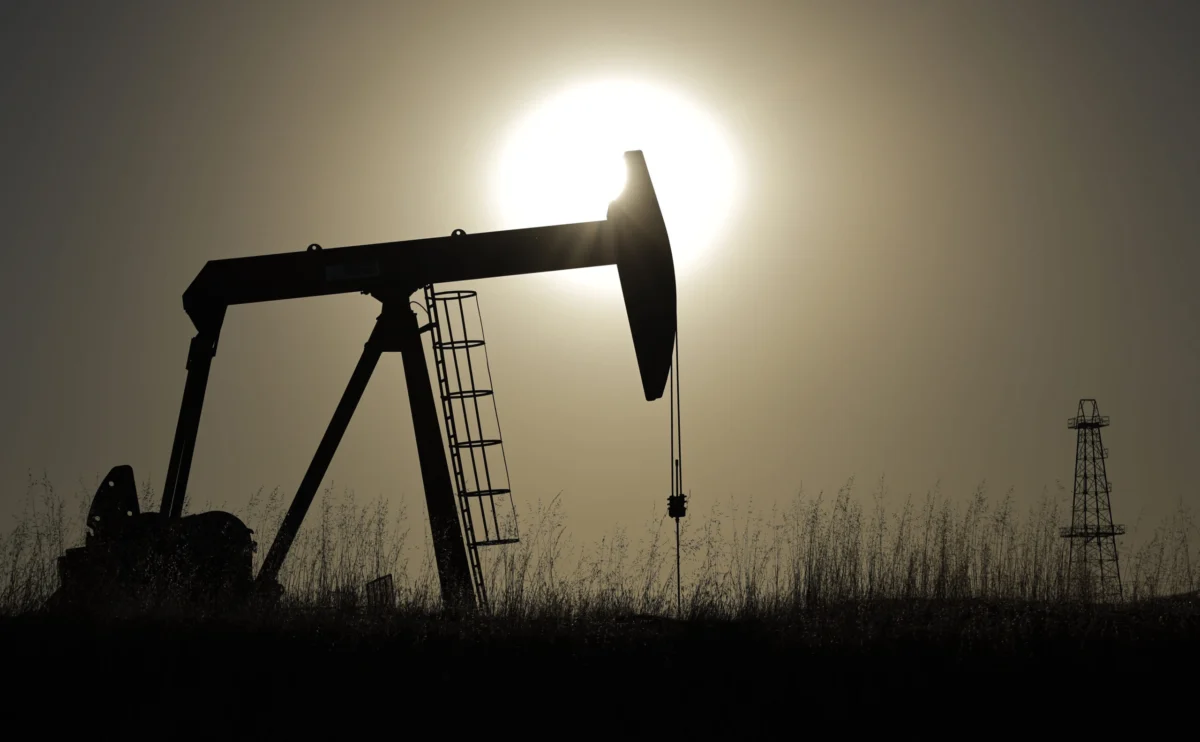
U.S. oil prices rose sharply on Thursday, reversing some of the steep losses suffered earlier in the month, as comments from President Donald Trump stoked fresh worries that a definitive end to the U.S.-Iran conflict was not yet in sight. The rebound followed a turbulent period for energy markets, driven by rapidly shifting diplomatic signals, persistent concerns over critical maritime shipping lanes, and competing assessments from Wall Street analysts regarding the near-term and long-term trajectory of global crude supplies.
At the market close, international benchmark Brent crude settled 3.3% higher at $95.82 per barrel. Meanwhile, West Texas Intermediate (WTI) futures climbed 2.6% to settle at $88.74 per barrel. The renewed upward pressure broke a multi-session downward trend that had left crude markets under intense selling pressure following post-midterm election comments from the White House that had initially eased fears of further military escalation.
The catalyst for Thursday’s reversal came via social media, when President Trump pushed back against the notion that a diplomatic settlement with Tehran was imminent or even necessary. Writing on Truth Social, the president declared that the United States does not need a deal with Iran, asserting that those days had long since passed. He emphasized that the U.S. holds significant leverage, pointing to frozen funds and American control over strategic waterways.
"We don’t need a deal with Iran. Those days have long since passed. We’ve got their money, Hundreds of Billions of Dollars, and we’ve got their Strait!" Trump said in the post.
The blunt statement abruptly altered market sentiment, which had grown increasingly complacent over the preceding days. Earlier in the week, oil prices had tumbled as investors interpreted prior remarks from the administration as a sign that peace talks were progressing and that new military strikes were unlikely. Prior to Thursday’s rally, WTI had plunged roughly 16% in November alone, while Brent had given up approximately 20% of its value over the course of the month.
The sharp volatility has highlighted the acute sensitivity of global energy markets to geopolitical developments in the Middle East, particularly concerning the safety of transit through the Strait of Hormuz. Just days prior, Trump had suggested that fresh attacks were highly unlikely and that further military action did not appear necessary at that point, despite both the United States and Iran reporting that commercial shipping had been targeted in or near the crucial chokepoint. That earlier optimism had driven a rapid unwinding of the geopolitical risk premium built into crude prices.
However, market analysts were quick to warn that investors may have been overly eager to price in a permanent cessation of hostilities. John Kilduff, a partner at Again Capital, noted that the market likely got ahead of itself in assuming the conflict was nearing a peaceful resolution. According to Kilduff, renewed doubts about the viability of a deal will inevitably push the security premium embedded in oil prices back higher. Furthermore, he cautioned that Trump’s assertive stance regarding control of the Strait of Hormuz could provoke further Iranian retaliatory attacks on regional shipping, thereby elevating the risk of prolonged supply disruptions.
Echoing these concerns, Andy Lipow, president of Lipow Oil Associates, pointed out that the fundamental negotiating positions of both Washington and Tehran appear largely unchanged, leaving little room for an easy compromise. Lipow suggested that the White House may be betting on a prolonged economic blockade to force either a capitulation at the negotiating table or a collapse of the current regime in Iran. Conversely, he noted that Iranian leadership may choose a different path, sustaining attacks on Middle East infrastructure to drive up global energy prices and ultimately force the U.S. back to negotiations.
From Lipow’s perspective, the core demands of both sides remain starkly divergent. Iran continues to seek an end to the maritime blockade, the lifting of punishing economic sanctions, and the implementation of a comprehensive ceasefire that includes Lebanon. On the other side, the United States demands that Iran completely abandon its nuclear stockpile and guarantee free, unhindered transit through the Strait of Hormuz, creating a diplomatic stalemate that leaves energy markets vulnerable to sudden shocks.
While geopolitical headlines continue to drive daily sentiment, energy experts note that the physical structure of the oil market presents a more complex picture. Jeffrey Currie, founder of Real Macro and a prominent Wall Street forecaster, explained that oil prices will likely remain relatively contained in the immediate term due to a substantial volume of crude currently flowing out of the Middle East. However, Currie highlighted that sky-high insurance premiums and elevated tanker shipping rates are continuing to put upward pressure on longer-dated oil futures contracts.
While this dynamic caps the price of prompt barrels currently available on the market, it does little to lower the cost of future supply deliveries, a factor that prevents traders from adopting a strictly bearish or bullish outlook. Speaking to CNBC’s "The Exchange," Currie advised that given these underlying structural conditions, he continues to favor long-dated oil contracts as well as investments in upstream drilling and producer stocks, reflecting a view that structural cost pressures in the energy sector are unlikely to dissipate quickly.
As the market absorbs the latest political rhetoric and weighs the persistent risks facing Middle Eastern infrastructure and maritime transit, traders and analysts alike remain on high alert. With neither Washington nor Tehran showing a willingness to compromise on core strategic demands, the delicate balance between robust physical supply and underlying geopolitical risk is expected to keep crude markets volatile in the weeks ahead.
| Source | : | Finance Poetry |
| Author | : | rifanmuazin |
| Editor | : | Finance Poetry Editorial Team |