
Understanding Global Financial Markets: Real-Time Data, Regulatory Frameworks, and the Evolution of Modern Business News Reporting
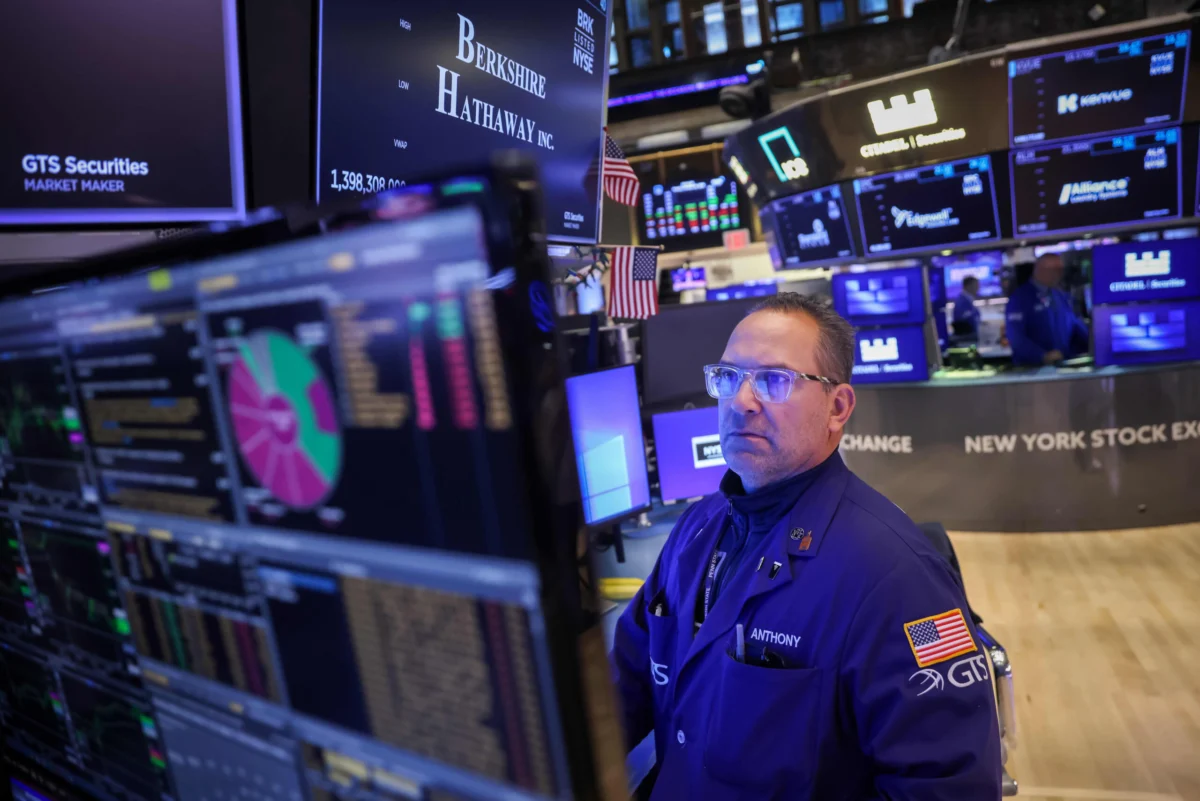
In the fast-paced landscape of modern global finance, the dissemination of accurate, timely, and comprehensive market information remains the cornerstone of economic decision-making. Every second, millions of data points surge across international exchanges, reflecting the dynamic health of corporations, commodities, currencies, and geopolitical climates. For institutional investors, corporate executives, retail traders, and casual observers alike, navigating this vast ocean of information requires robust reporting frameworks, transparent data-sharing agreements, and reliable digital platforms capable of processing real-time market movements.
At the center of this information ecosystem are financial news organizations and data providers that bridge the gap between complex transactional algorithms and human comprehension. Organizations such as Versant Media, LLC operate at the intersection of business journalism and financial data distribution, ensuring that market participants receive up-to-the-minute updates on stock quotes, market trends, and economic analysis. However, the architecture supporting these financial networks is complex, relying on intricate technological integrations, strict adherence to legal terms of service, and critical partnerships with global news agencies such as Reuters.
To fully understand how contemporary financial news and market data operate, it is essential to examine the mechanics of real-time versus delayed data feeds, the legal and regulatory frameworks governing financial terms of use, and the enduring role of traditional media companies in shaping global economic literacy.
The Mechanics and Realities of Market Data Distribution
The phrase "data is a real-time snapshot" is frequently cited across financial terminals and news portals, yet it comes with significant operational and technical nuances. In the realm of electronic trading and high-frequency markets, milliseconds can dictate the profitability of a trade. Consequently, direct feeds from major exchanges such as the New York Stock Exchange, NASDAQ, or international counterparts require massive computational infrastructure, low-latency networks, and substantial financial investments.
For the general public and mainstream readers accessing financial news platforms, however, direct exchange feeds are rarely delivered instantaneously without regulatory and economic constraints. As noted in standard digital disclosures across major financial publishing platforms, market data is typically delayed by at least fifteen minutes. This delay serves several critical functions within the broader financial industry. Primarily, it protects the commercial value of proprietary exchange data, which primary market operators license at premium rates to professional trading desks and institutional clients. Additionally, a mandatory delay helps protect casual retail investors from making impulsive financial decisions based on micro-fluctuations, encouraging a more measured, long-term approach to market analysis.
Despite these delays, the delivery of comprehensive financial news, stock quotes, and analytical commentary provides immense value. Readers rely on these snapshots to gauge broad market sentiment, track sector performance, understand macroeconomic indicators such as inflation reports and interest rate decisions, and evaluate corporate earnings. The integration of live market data alongside journalistic context ensures that audiences are not merely looking at raw numbers, but are equipped with the qualitative insights necessary to interpret what those numbers actually signify in the real world.
Strategic Partnerships and the Collaborative Ecosystem of Financial Journalism
The sheer volume and geographical diversity of global business news mean that no single media organization operates in an absolute vacuum. The production of reliable global business and financial news is heavily reliant on strategic syndication agreements, cross-industry partnerships, and shared technological infrastructures. Major news networks often collaborate with specialized wire services and global data providers to maintain a continuous, unyielding flow of verified reporting.
For instance, the integration of data provided by esteemed global news agencies like Reuters into consumer-facing financial portals highlights the interconnected nature of the modern media landscape. Reuters, with its extensive network of journalists spanning nearly every major financial capital across the globe, has historically served as a primary backbone for breaking news, geopolitical reporting, and corporate earnings coverage. When financial media companies incorporate these feeds into their digital properties, they create a centralized hub where readers can access both original editorial analysis and raw, verified wire reporting simultaneously.
This collaborative framework extends beyond mere content sharing; it encompasses rigorous data verification standards. In an era where digital misinformation can spread rapidly across social media platforms, the presence of established institutional gatekeepers provides a vital stabilizing force. Financial journalism demands an extraordinary level of precision, as inaccurate reporting regarding a corporate merger, a regulatory investigation, or a central bank policy shift can trigger immediate, volatile swings in asset prices. By anchoring their reporting in verified data feeds and established wire partnerships, media companies uphold the integrity required to serve the global financial community.
Legal Frameworks, Compliance, and Market Data Terms of Service
Behind every stock ticker, interactive chart, and market summary lies a complex web of legal agreements, intellectual property rights, and regulatory compliance protocols. The distribution of financial data is strictly regulated by securities laws and contractual agreements between exchanges, data vendors, and publishing entities.
When users navigate to the legal and operational disclosures of major financial news websites, they encounter specific terms governing the use of market data. The Market Data Terms of Use and Disclaimers serve as a binding legal boundary outlining what users can and cannot do with the provided information. These terms typically restrict the commercial redistribution of delayed stock quotes, limit the liability of the publisher and its data partners in the event of technical inaccuracies or market disruptions, and clarify the intellectual property rights associated with proprietary content.
For corporate entities such as Versant Media, LLC, maintaining rigorous compliance with these legal frameworks is paramount. As copyright holders and digital publishers, these organizations must ensure that all content—ranging from multimedia player integrations and proprietary software code to syndicated Reuters data and analytical articles—complies with international copyright laws and licensing agreements.
Furthermore, these legal disclaimers protect publishers from unforeseen market anomalies. Financial markets are inherently unpredictable, subject to sudden shocks, algorithmic flash crashes, and macroeconomic volatility. By clearly communicating that data is provided for informational purposes and subject to mandatory delays, publishers establish a transparent relationship with their readership, emphasizing that editorial content and market data should be utilized as tools for general economic awareness rather than direct, guaranteed financial advice.
The Evolution of Digital Publishing and Corporate Infrastructure
The operational footprint required to maintain a major global business news platform involves sophisticated digital engineering and corporate structuring. Behind the minimalist design of modern web interfaces lies a complex architecture of content management systems, video streaming protocols, analytics trackers, and responsive layout designs tailored for both desktop and mobile consumption.
Corporate entities like Versant Media, LLC manage these digital properties through specialized corporate networks, ensuring that millions of daily visitors can seamlessly access financial news, market indices, and multimedia content without experiencing service interruptions. Elements such as mini-video players, responsive navigation menus, and localized data trackers are engineered to optimize user engagement while adhering to strict web performance standards.
As digital consumption habits continue to shift toward mobile-first and video-centric formats, financial publishers face the ongoing challenge of modernizing their platforms while preserving the authoritative, serious tone required for financial journalism. The inclusion of standardized global footers, copyright notices, and easily accessible regulatory links demonstrates a commitment to transparency and institutional maturity. These digital elements, though often overlooked by the casual reader, represent the foundational scaffolding that allows complex global news operations to function smoothly on a 24/7 basis.
Looking Forward: The Persistent Demand for Trusted Financial Intelligence
As the global economy becomes increasingly digitized, interconnected, and volatile, the fundamental mission of business journalism remains unchanged. Whether through the real-time tracking of emerging markets, the rigorous analysis of monetary policy, or the simple dissemination of delayed stock quotes, trusted media organizations play an indispensable role in maintaining market transparency.
The ongoing collaboration between media enterprises, global wire services, and data providers ensures that investors, policymakers, and everyday citizens retain access to the intelligence they need to navigate an evolving economic landscape. By balancing technological innovation with strict adherence to legal compliance, data integrity, and journalistic ethics, the financial news industry continues to uphold its commitment to clarity, accuracy, and global financial literacy.
| Source | : | Finance Poetry |
| Author | : | rifanmuazin |
| Editor | : | Finance Poetry Editorial Team |