
UniCredit Says Generali Partnerships Could Create Up to €2.0 Billion in Value
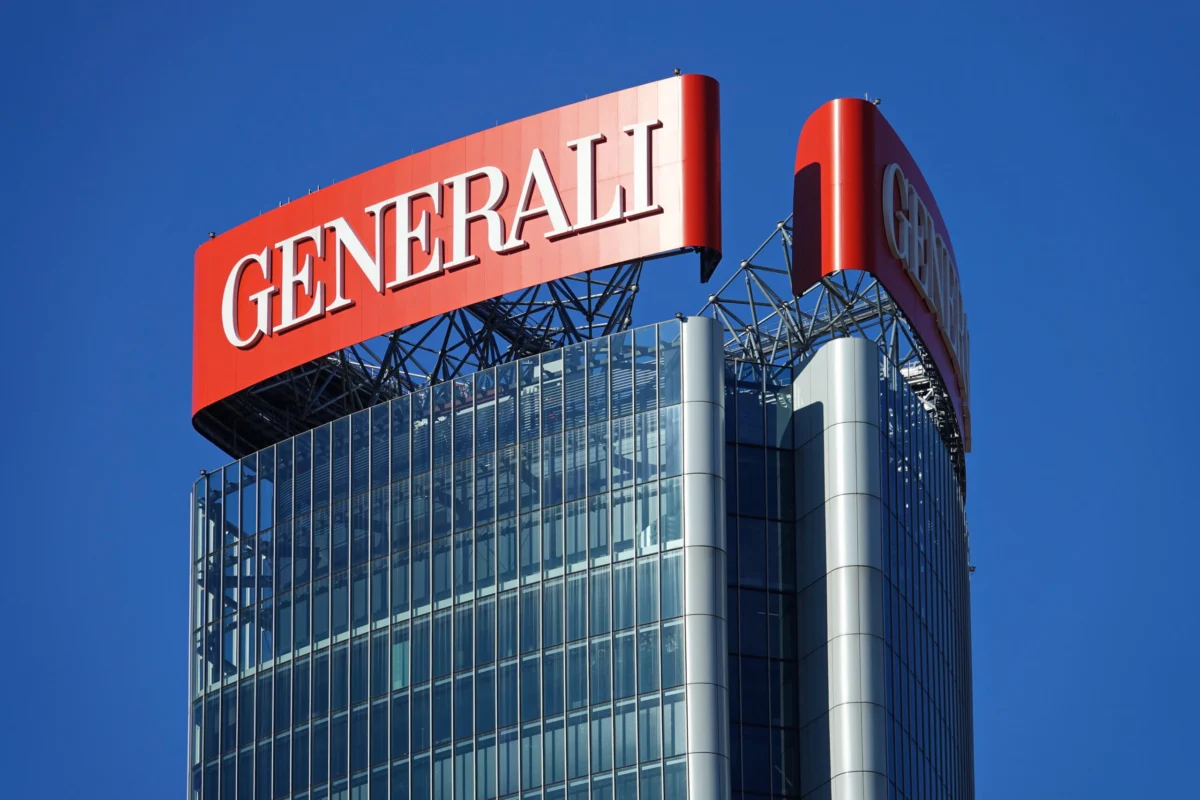
The strategic overtures come as UniCredit continues to maintain a substantial 9% stake in Generali, a position that has fundamentally reshaped the competitive landscape of the Italian financial sector. Orcel told conference attendees that the total potential value creation of a broader alignment could even reach between €2.5 billion and €3.0 billion, noting that a massive chunk of that figure—specifically the €1.5 billion to €2.0 billion range—could be captured swiftly by simply cooperating and aligning operational strategies.
By building up its notable stake in Generali, UniCredit has strategically positioned itself as a powerful counterweight to its primary domestic rival, Intesa Sanpaolo. The rivalry highlights a complex chess game within Italy’s banking and insurance establishment, particularly as Intesa stands to potentially become a dominant Generali shareholder through its acquisition of Monte dei Paschi di Siena.
Despite the delicate competitive dynamics, existing operational ties between UniCredit and Generali are already bearing fruit. The two corporate giants are currently cooperating in eastern Europe, and executives have engaged in discussions regarding the expansion of this successful regional partnership into broader operational arenas.
Independence ‘Up to Generali’
Addressing the question of corporate autonomy, Orcel reiterated a stance he took earlier this month: it remains entirely up to Generali’s leadership and board to decide whether they wish to accept UniCredit’s strategic assistance and pursue deeper integration. The Milan-based lender’s CEO has consistently maintained that any cooperative framework must respect Generali’s standalone identity and strategic trajectory.
Meanwhile, Intesa Sanpaolo Chief Executive Carlo Messina has repeatedly signaled a welcoming attitude toward a potential partnership between UniCredit and Generali. Because Intesa operates its own robust insurance business, antitrust regulations would require the bank to manage any acquired Generali stake strictly as a financial investment. Messina’s public stance suggests a tacit acknowledgment that a UniCredit-Generali alliance would not necessarily destabilize Intesa’s market position, provided antitrust and regulatory parameters are meticulously observed.
Beyond the ongoing maneuvers involving Generali, Orcel used his platform at the business conference to weigh in on broader macroeconomic and regulatory debates affecting the Italian banking sector. He lent his voice in support of recent criticisms leveled by Intesa’s Messina against the Italian government’s controversial decision to impose higher taxes on banks. Orcel argued forcefully that financial institutions are already burdened with a heavier and more disproportionate tax load compared to companies operating in other sectors of the economy. Furthermore, he pointed out that soaring energy prices, rather than fluctuating interest rates, represent the true underlying economic challenge facing businesses and consumers alike today.
Shifting focus to UniCredit’s ambitious cross-border expansion plans, Orcel provided an update on the closely watched regulatory process surrounding the bank’s proposed takeover of Commerzbank. He confirmed that the regulatory approvals necessary for the transaction are firmly on track to conclude by the end of November. The final major hurdle in this phase involves securing the green light from Poland’s financial watchdog, a step that will clear the path for UniCredit to formally call a shareholder vote. This upcoming vote will allow UniCredit to name its designated board representatives and effectively exercise strategic control over the German lender during the first quarter of the coming year.
| Source | : | Finance Poetry |
| Author | : | rifanmuazin |
| Editor | : | Finance Poetry Editorial Team |