
US Traffic Deaths Fall to Lowest Rate in a Decade in Rebound From Pandemic-Era Surge
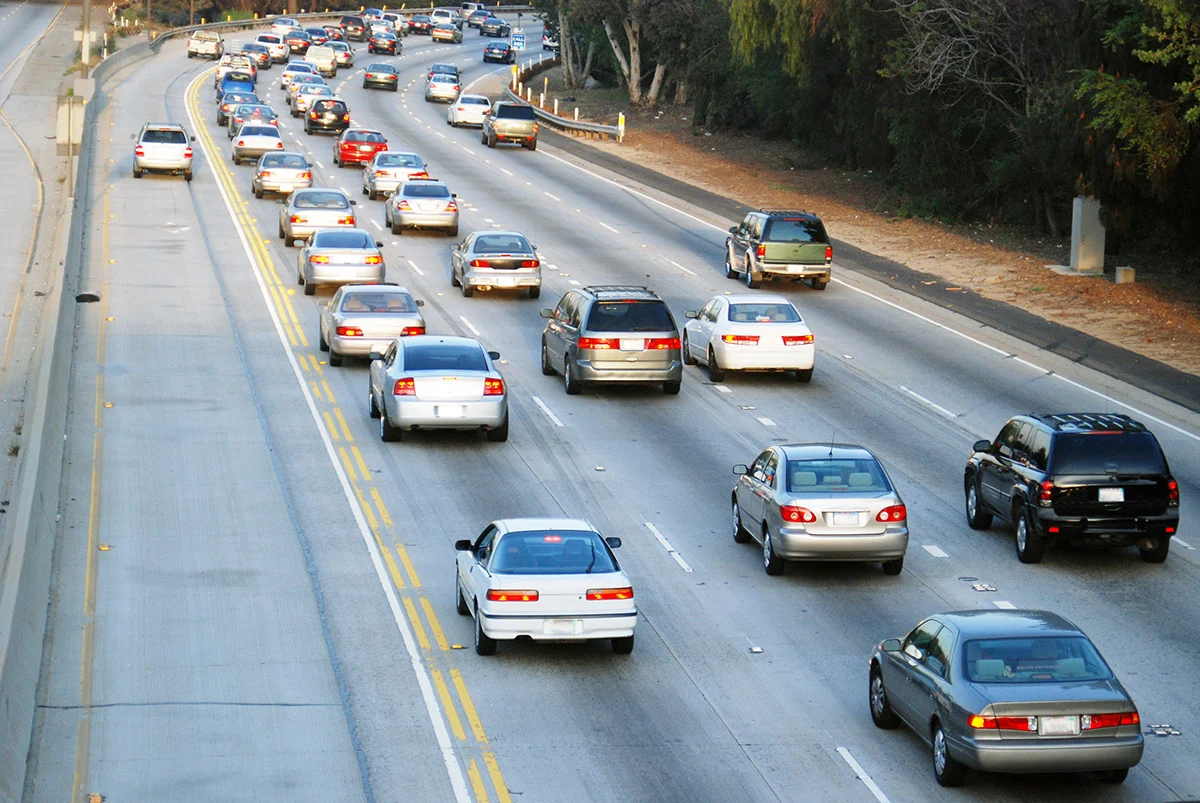
WASHINGTON — United States traffic fatalities fell during the first half of this year to their lowest rate since 2014, the government announced on Tuesday, marking a sustained and notable retreat from the dangerous spike in roadway deaths witnessed during the 2020 COVID-19 pandemic and the several subsequent years in which road mortality remained stubbornly elevated.
According to data released by the National Highway Traffic Safety Administration (NHTSA), the current year is officially on pace to record its fifth consecutive year of annual declines. The federal safety agency reported that overall traffic deaths dropped by 2.5 percent to 16,750 during the first six months of the year, down from 17,175 during the exact same period last year. This downward trajectory brings the total number of fatalities to its lowest mark since 2015, signaling a gradual return to pre-pandemic safety trends on American roads and highways.
Accompanying the drop in total fatalities, the overall traffic fatality rate—calculated per 100 million vehicle miles traveled—decreased to 1.02. This represents a significant improvement compared to previous years and underscores that even as Americans have returned to driving in high volumes following the disruptions of the early 2020s, the relative risk associated with each mile traveled has steadily diminished.
Federal safety officials also highlighted recent full-year figures to illustrate the broader trajectory of road safety improvements. Full-year traffic deaths for the prior year fell to their lowest level since 2019, while the fatality rate dropped to 1.10 fatalities per 100 million vehicle miles traveled. According to historical records maintained by NHTSA, this stands as the second-lowest yearly mortality figure ever recorded in United States history, pointing to a long-term improvement in vehicle safety technology, infrastructure modifications, and emergency medical response times.
A closer examination of the timeline reveals that the momentum of the decline has experienced minor fluctuations throughout the seasons. During the first three months of the year, traffic deaths fell at a more pronounced rate of 5 percent compared to the previous year. However, the pace of improvement slowed down during the subsequent three months, with deaths dropping by just 0.2 percent in the second quarter. Despite the deceleration in the rate of decline during the late spring and early summer months, the cumulative total remains firmly on track for another positive annual milestone.
Even as the vast majority of motor vehicle safety metrics continue to point toward a safer highway system, federal regulators and transportation safety advocates warn that significant areas of vulnerability remain. Most notably, bicyclist fatalities continue to present a stubborn public health challenge. Last year, deaths among bicyclists rose by 4 percent, climbing to a total of 1,148 individuals killed. This upward trend in vulnerable road user casualties follows a grim milestone in 2023, when bicyclist deaths hit their highest annual figure in more than four decades, highlighting a persistent danger for cyclists navigating increasingly congested urban and suburban roadways.
The ongoing safety improvements come as a welcome relief following a catastrophic era for American roadways that began with the onset of the global health crisis. Traffic deaths in the United States jumped by a staggering 10.8 percent in 2021, surging to a devastating total of 43,230 fatalities. That figure represented the highest number of people killed on American roads in a single year since 2005, abruptly reversing decades of gradual safety improvements driven by seatbelt laws, airbag mandates, and vehicle structural enhancements.
Transportation experts and behavioral researchers have extensively analyzed the root causes of the pandemic-era surge, pointing to a complex combination of behavioral changes and diminished enforcement. As American roads became markedly less crowded during the widespread lockdowns and remote-work shifts of 2020 and 2021, a psychological shift occurred among certain motorists. Many drivers perceived local law enforcement agencies as less likely to issue traffic tickets or pull over vehicles for minor infractions, which in turn fostered an environment of heightened risk-taking, excessive speeding, and reckless driving behaviors.
Furthermore, public health data and behavioral studies indicated that isolation and stress during the pandemic contributed to higher rates of substance abuse. Some drivers were significantly more likely to operate motor vehicles while impaired by alcohol or drugs consumed at home during the height of the lockdowns. Comparative international studies conducted during that period revealed that the United States experienced a much sharper and more prolonged spike in its traffic fatality rate than other developed peer nations, many of which managed to maintain or even improve their road safety baselines during the same global crisis.
The economic and social toll of these motor vehicle crashes remains immense, extending far beyond the immediate grief experienced by the families of victims. A comprehensive study released by NHTSA demonstrated that motor vehicle crashes directly cost American taxpayers $30 billion, while inflicting a staggering $340 billion in broader costs on society as a whole. When researchers factored in sophisticated quality-of-life valuations—which measure the long-term emotional and physical well-being of survivors and grieving families—the total cumulative cost of motor vehicle crashes to American society reached an astronomical $1.37 trillion.
As federal, state, and local transportation agencies review the latest round of safety data, the ongoing decline in traffic deaths offers tangible proof that the dangerous driving habits cemented during the pandemic are slowly losing their grip on the motoring public. Nevertheless, with thousands of lives still lost annually and specific vulnerabilities persisting for cyclists and pedestrians, safety advocates emphasize that sustained investments in infrastructure, public awareness campaigns, and equitable traffic enforcement remain critical to maintaining the downward trend in the years ahead.
| Source | : | Finance Poetry |
| Author | : | rifanmuazin |
| Editor | : | Finance Poetry Editorial Team |