
Bolsonaro Says Police Demand Passports After Brazil Election Defeat
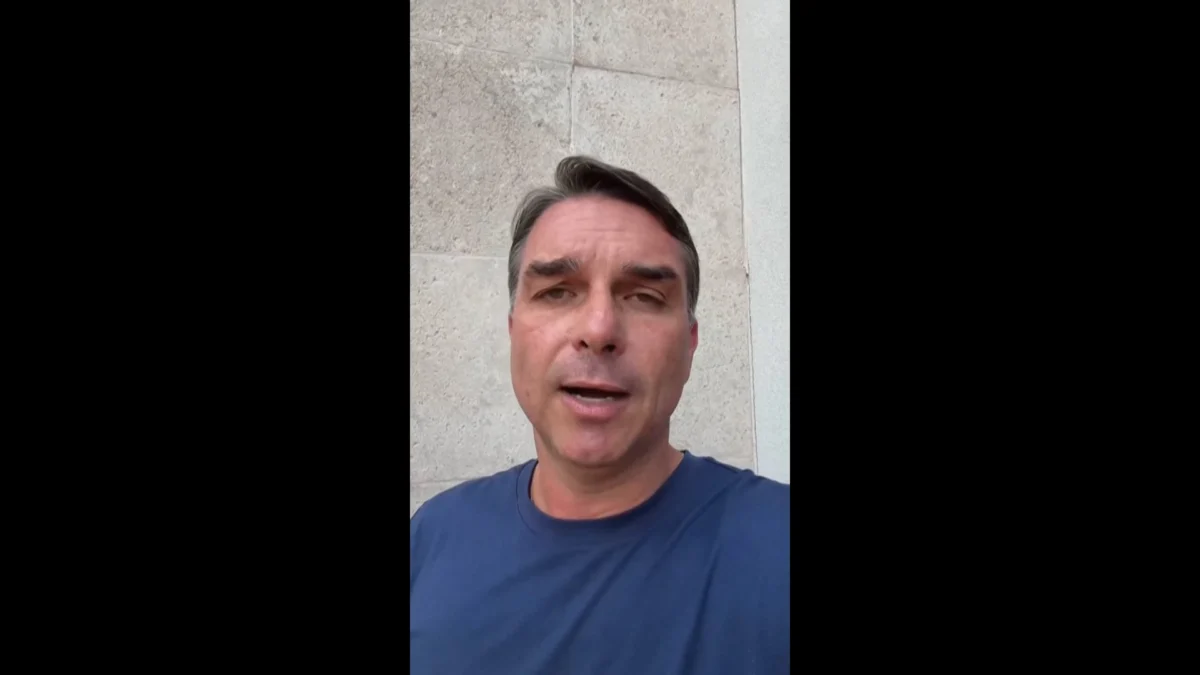
BRASILIA — In the immediate wake of a fiercely contested and deeply polarizing presidential election in Brazil, political tensions have escalated dramatically following fresh legal and administrative hurdles facing the family of former President Jair Bolsonaro. Flavio Bolsonaro, a prominent political figure and son of the former president, announced via social media that law enforcement authorities have formally ordered him and members of his immediate circle to surrender their passports. According to the statements posted online, the directive also imposes a strict travel ban, effectively barring them from leaving Brazilian territory.
The abrupt police demand materialized just one day after the official conclusion of a high-stakes presidential runoff that saw incumbent leader Luiz Inácio Lula da Silva secure a narrow victory. The election process captivated international attention and deeply divided the South American nation, reflecting years of ideological friction, economic anxieties, and intense debates over the future of Brazilian democracy and governance. The timing of the travel restrictions has injected an immediate layer of legal uncertainty into an already volatile political landscape, drawing intense scrutiny from supporters, critics, and legal observers alike across the country.
In a video shared across his official social media channels, Flavio Bolsonaro detailed the measures taken against him and outlined the circumstances surrounding the police directive. The announcement quickly reverberated across traditional media outlets and digital platforms, serving as an early indicator of the potential legal battles and administrative challenges that could confront the Bolsonaro family in the post-election era. While details surrounding the specific judicial authorization or the precise investigative scope behind the passport surrender order remain part of a rapidly developing situation, the announcement underscores the profound political shifts currently unfolding in Brasilia.
The restriction on international travel comes at a critical juncture for Brazil, a nation of over 215 million people that has experienced profound political polarization over recent years. The election pitted the incumbent leftist leader, Lula da Silva, against the conservative movement spearheaded by Jair Bolsonaro. Throughout the campaign, issues ranging from economic management and environmental protection to institutional stability and the rule of law dominated public discourse, culminating in a historic and tightly contested ballot that went down to the wire.
As the dust begins to settle on the electoral outcome, the focus of the nation has rapidly pivoted from the ballot box to the broader implications for the outgoing administration and its key figures. The legal measures disclosed by Flavio Bolsonaro highlight the intricate intersection of Brazilian politics and the judiciary, where high-profile figures frequently find themselves navigating complex regulatory and legal frameworks. Legal analysts note that the surrender of passports and travel bans are standard precautionary measures often utilized by authorities when there are ongoing investigations or concerns regarding potential flight risks, though the specific legal justifications in this case continue to be scrutinized by legal experts and political commentators.
The reaction to the announcement has been swift, with supporters of the Bolsonaro family expressing deep concern over what they perceive as politically motivated restrictions, while critics and opponents emphasize the importance of accountability and the equal application of the law under the Brazilian constitution. The polarization that characterized the months leading up to the election appears to have seamlessly transitioned into this new phase, as the country digests both the electoral results and the subsequent legal developments involving some of its most prominent political dynasties.
Institutions across Brazil, including the judiciary, federal police, and electoral authorities, now occupy a central role in maintaining public order and ensuring a transparent, lawful transition of power. The international community, meanwhile, continues to monitor developments closely, recognizing Brazil’s pivotal role in regional geopolitics, global environmental policy, and international trade. As further details emerge regarding the passport demands and any potential legal proceedings, the nation awaits the next steps from both the judicial authorities and the political actors involved in this unfolding narrative.
| Source | : | Finance Poetry |
| Author | : | rifanmuazin |
| Editor | : | Finance Poetry Editorial Team |